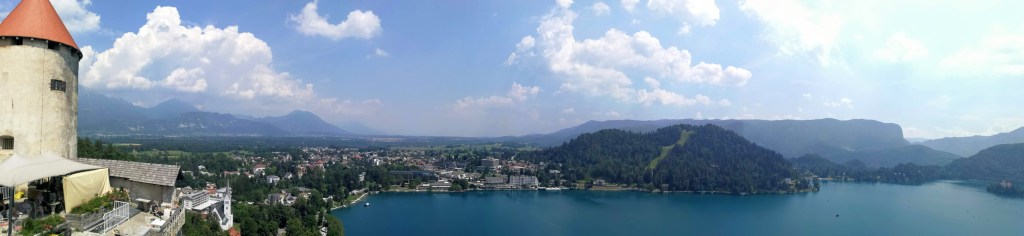
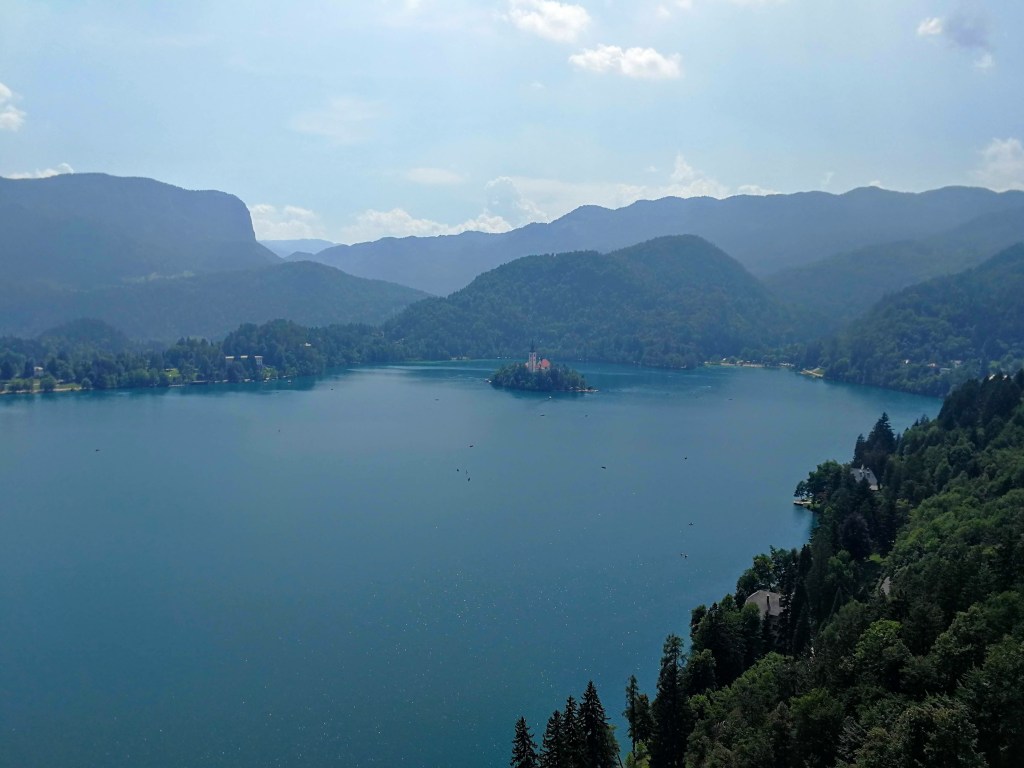
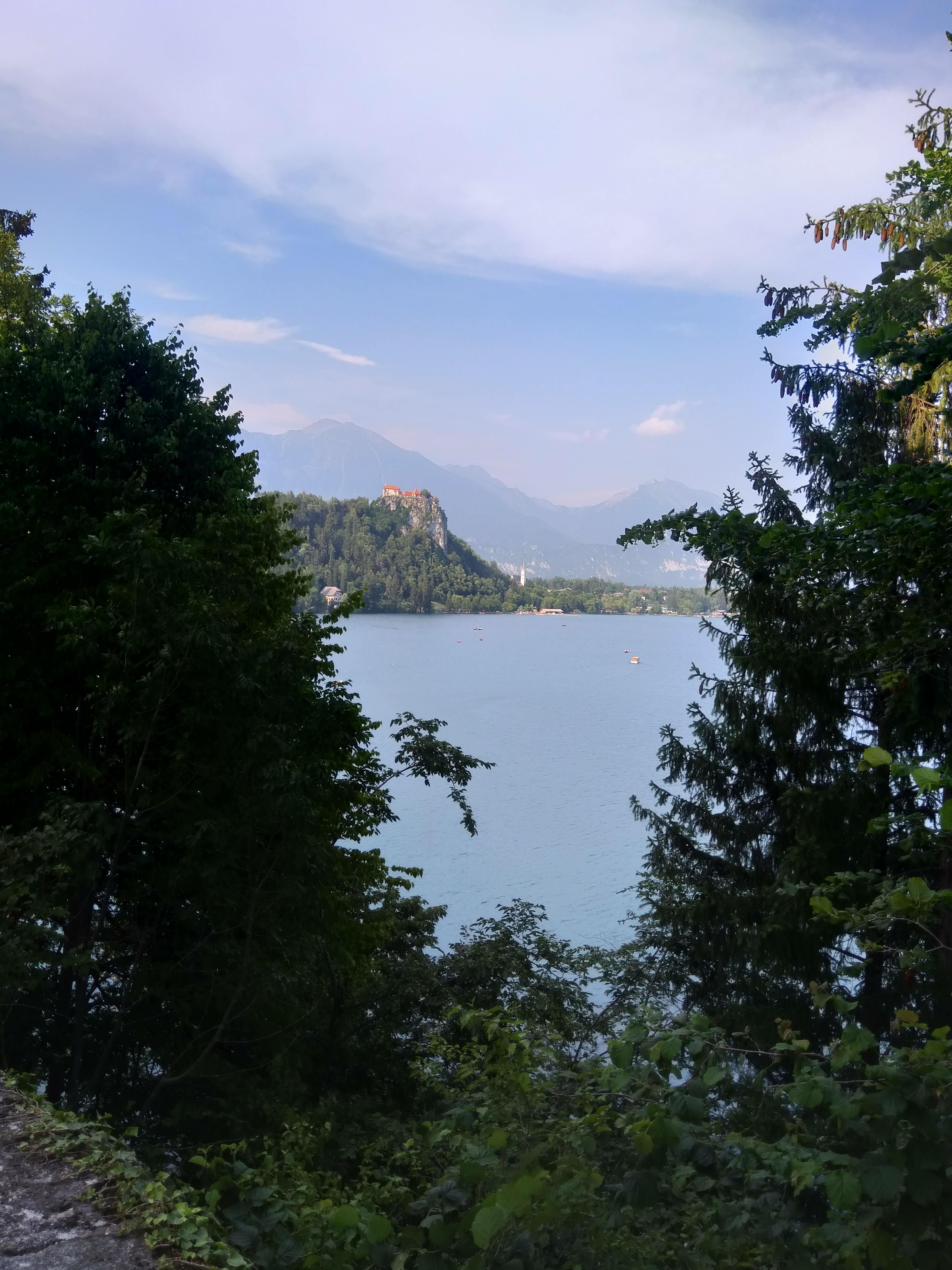
One of the most famous locations that Slovenia has to offer is the breath-taking Lake Bled. Many people who visit the country make this their only stop (though I would argue that, as lovely as Bled is, there is far more to see!). Old folklore tells of how the small island in the middle of a crystal blue lake came to be – apparently fairies used to dance in this valley when it was just grass. When shepherds let their sheep graze there and refused to move them, the land became dry and barren. As punishment, the fairies flooded the area, creating a lake and an island in the middle, where they could continue to dance every night in peace.
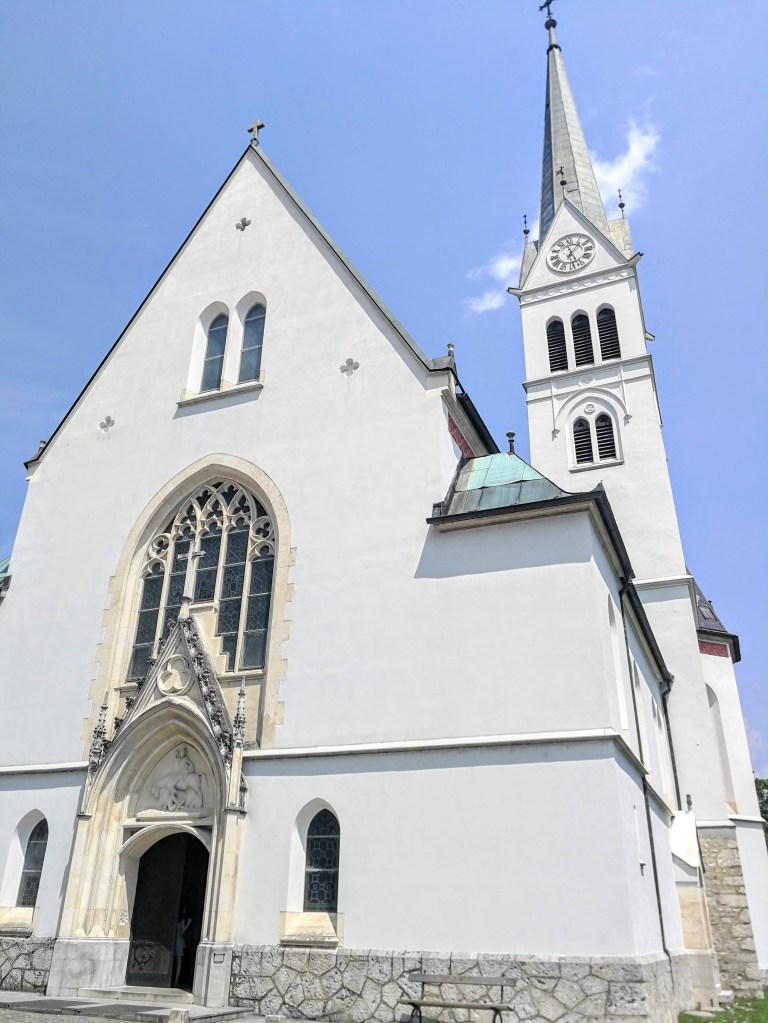
The main street in the nearby township is very charming, with an almost “Swiss chalet” vibe. Knowing how popular this destination is, I was expecting to find it very touristy, but it felt relaxed and peaceful, and as though it hadn’t really “sold-out” to large corporations that could easily overrun the surrounding hills and cash in on the tourism. Apart from one small area of more tacky souvenir shops before the main street, most of the stores are locally-owned boutiques full of handmade or locally-sourced products such as schnapps (pear and blueberry are Slovenian specialties), honeys, and alpine teas made from the flowers and herbs grown on the Bled country/mountainside. When Matt moved back to New Zealand, he brought me back some alpine tea from his recent trip to Lake Bled. I loved it so much and made it last as long as I could, so we knew we needed to revisit the store he bought it from and pick up some more!
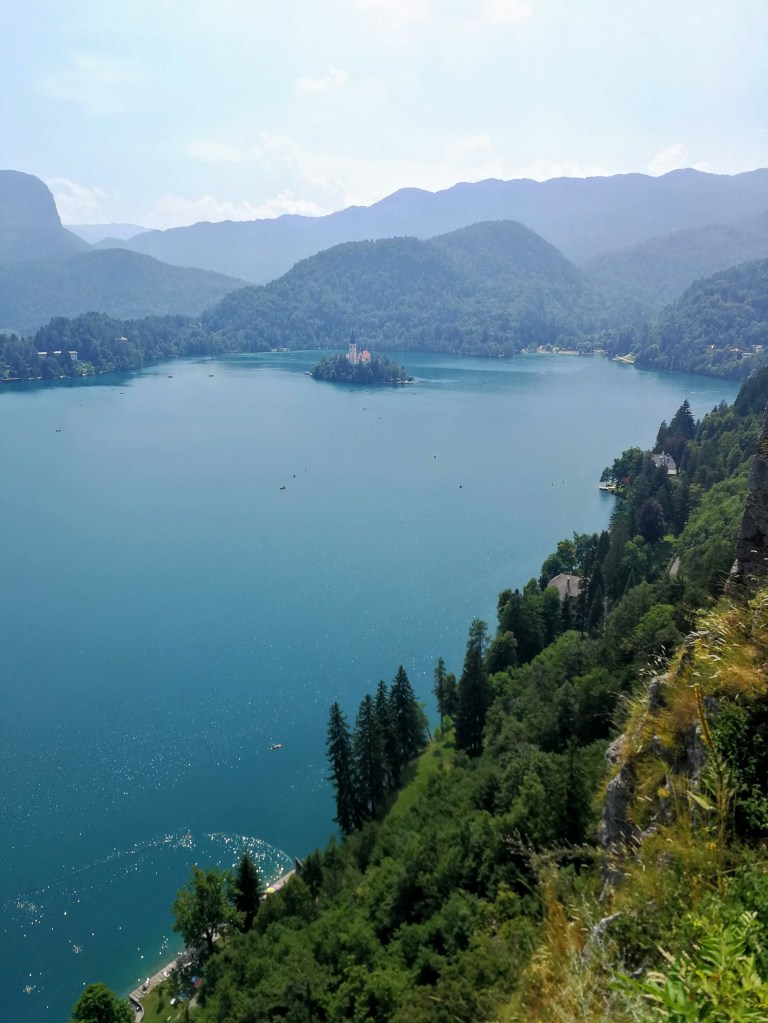
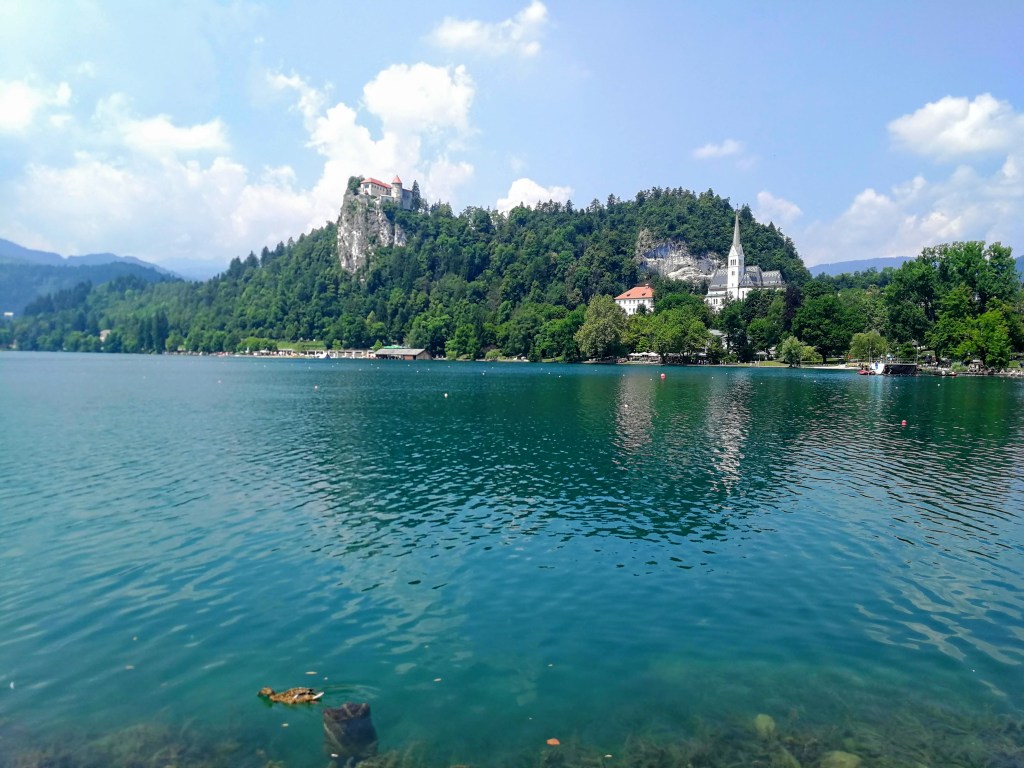
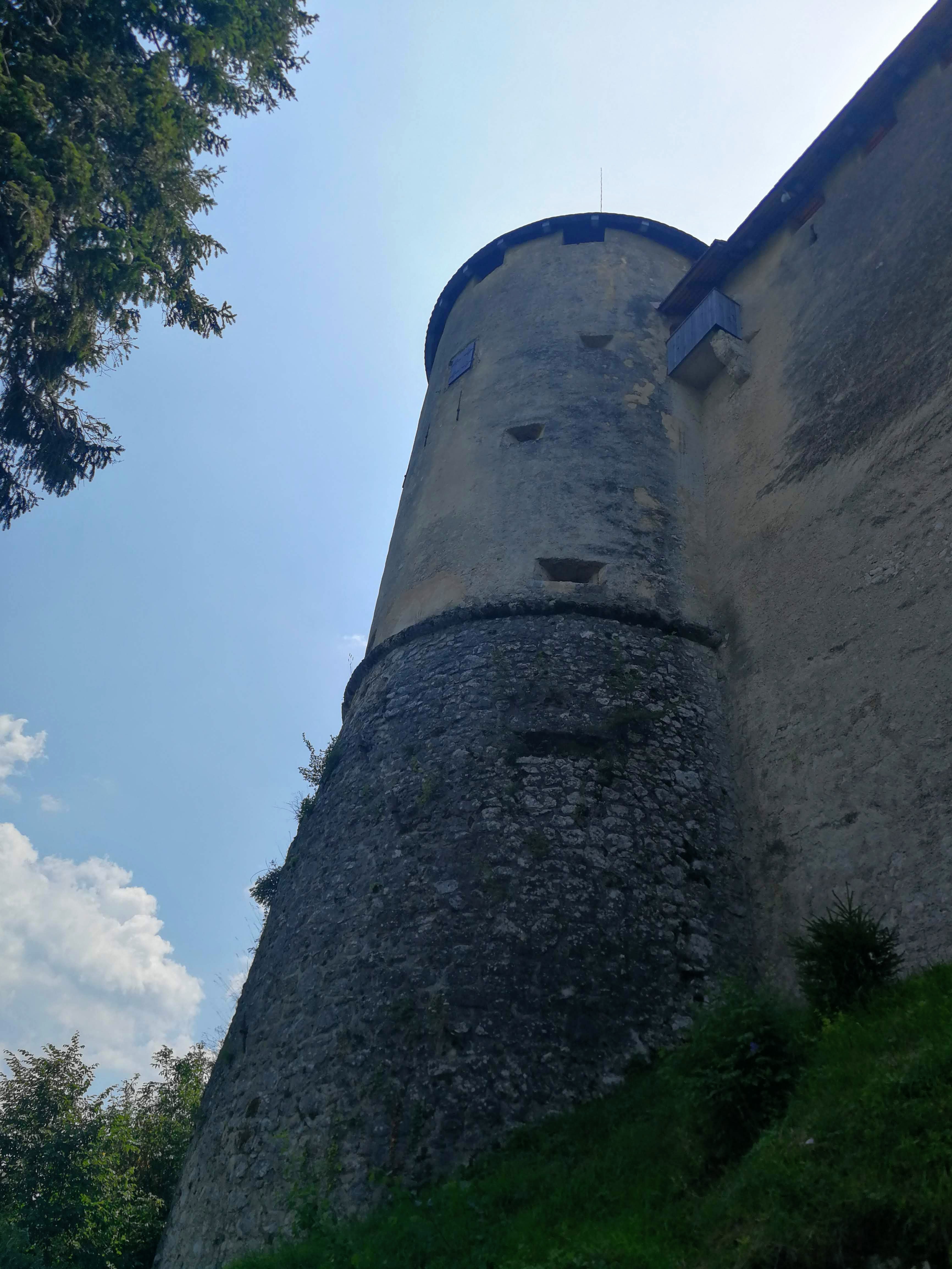
To get a great view, you can walk (or taxi if you’re not keen on walking) to the top of the hill where Bled Castle is perched over-looking the turquoise waters. The castle is the oldest in Slovenia, with first records of it mentioned in 1011. The views are well-worth the walk and you can also enjoy interactive exhibitions of medieval craftsmanship (e.g. a forgery, printing works and wine cellar, etc.) or the restaurant.
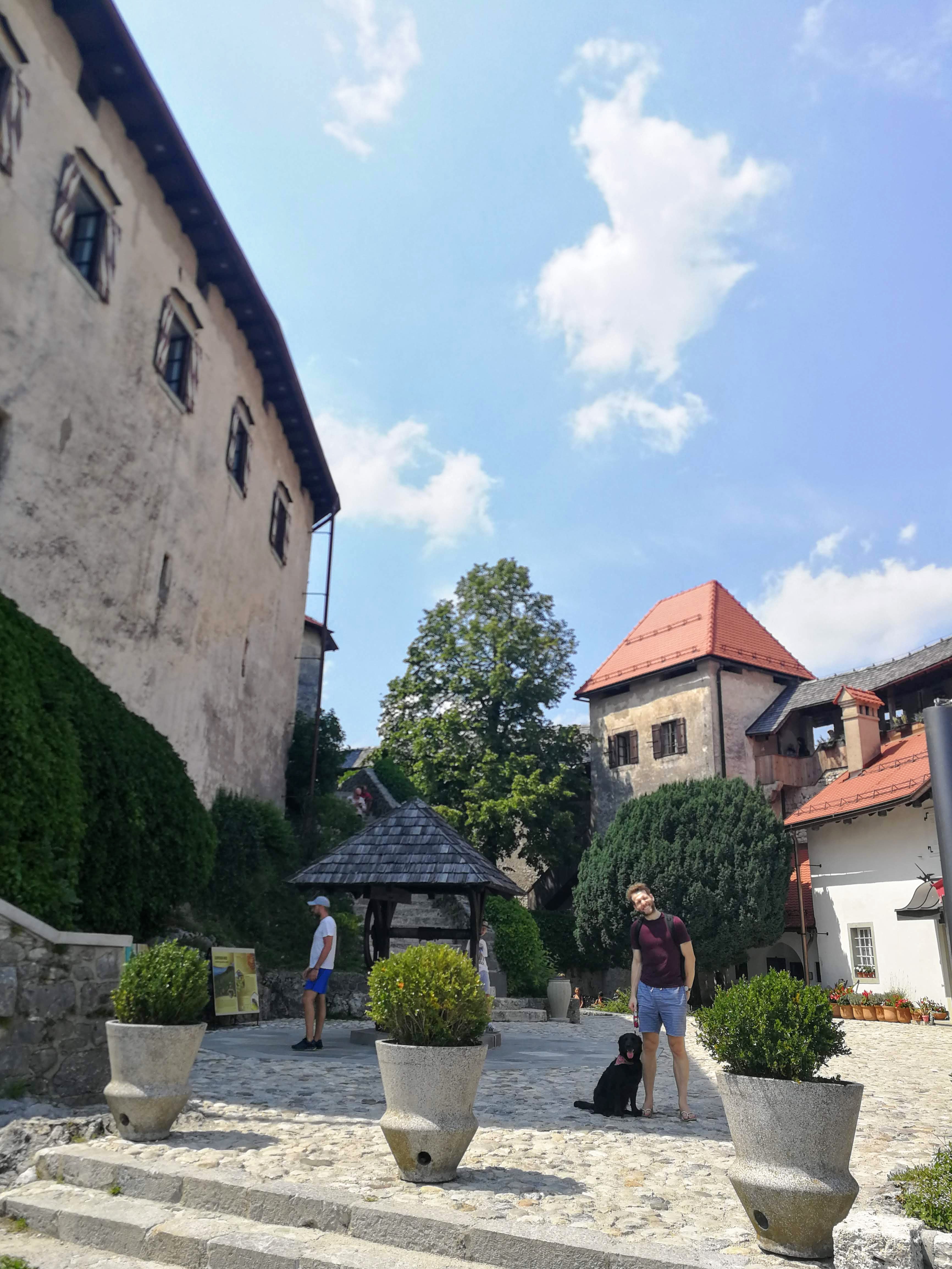
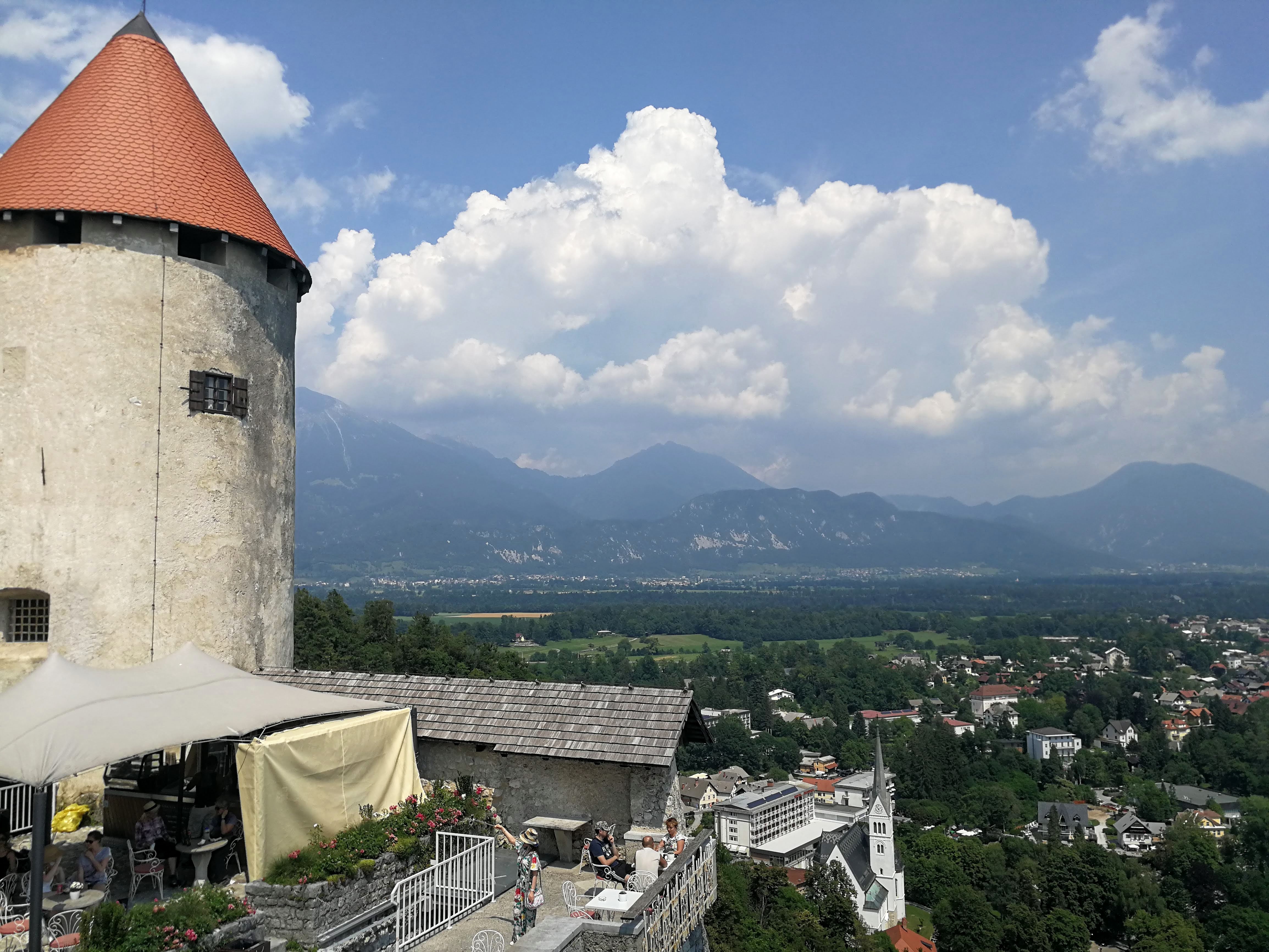
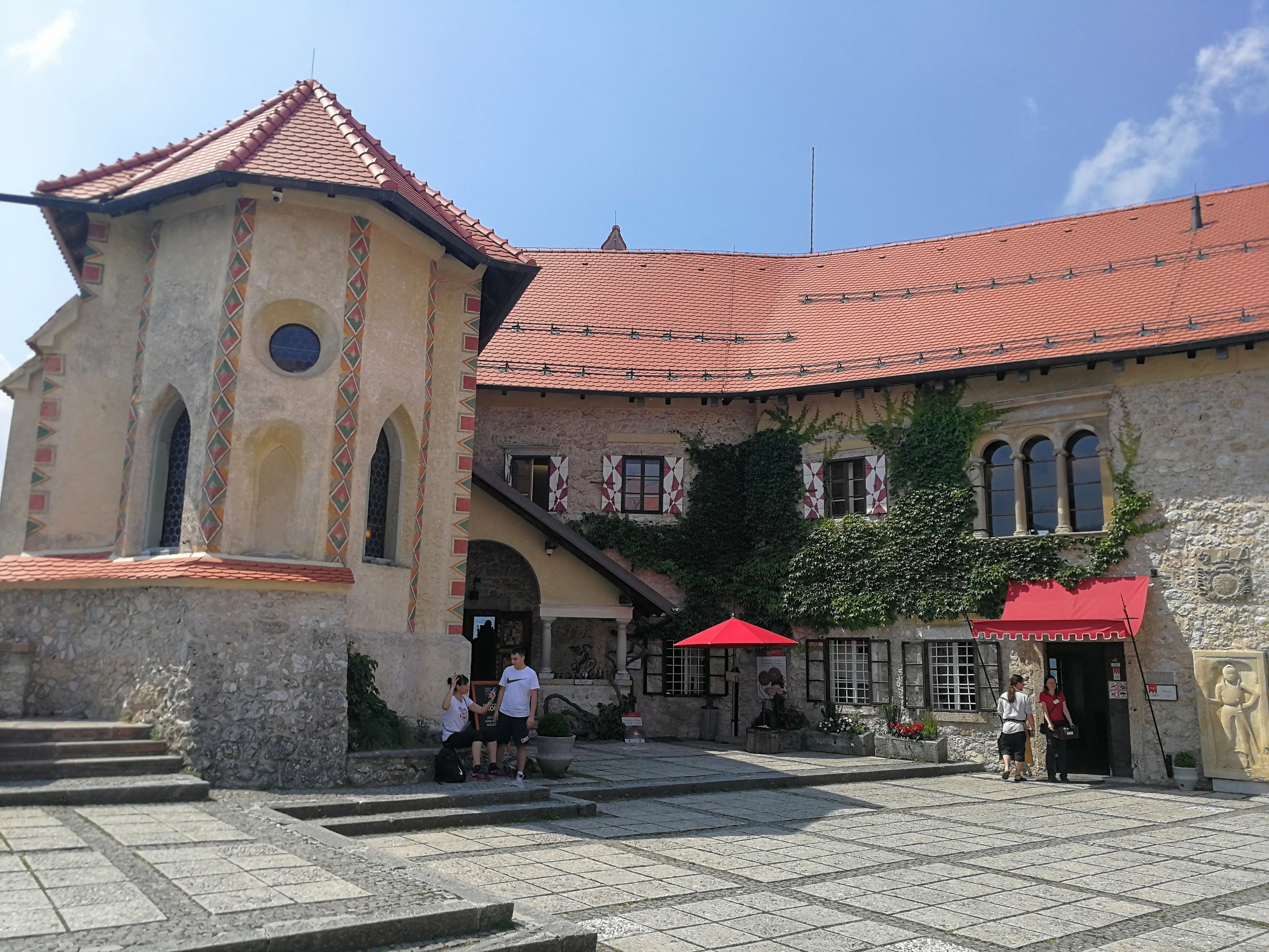
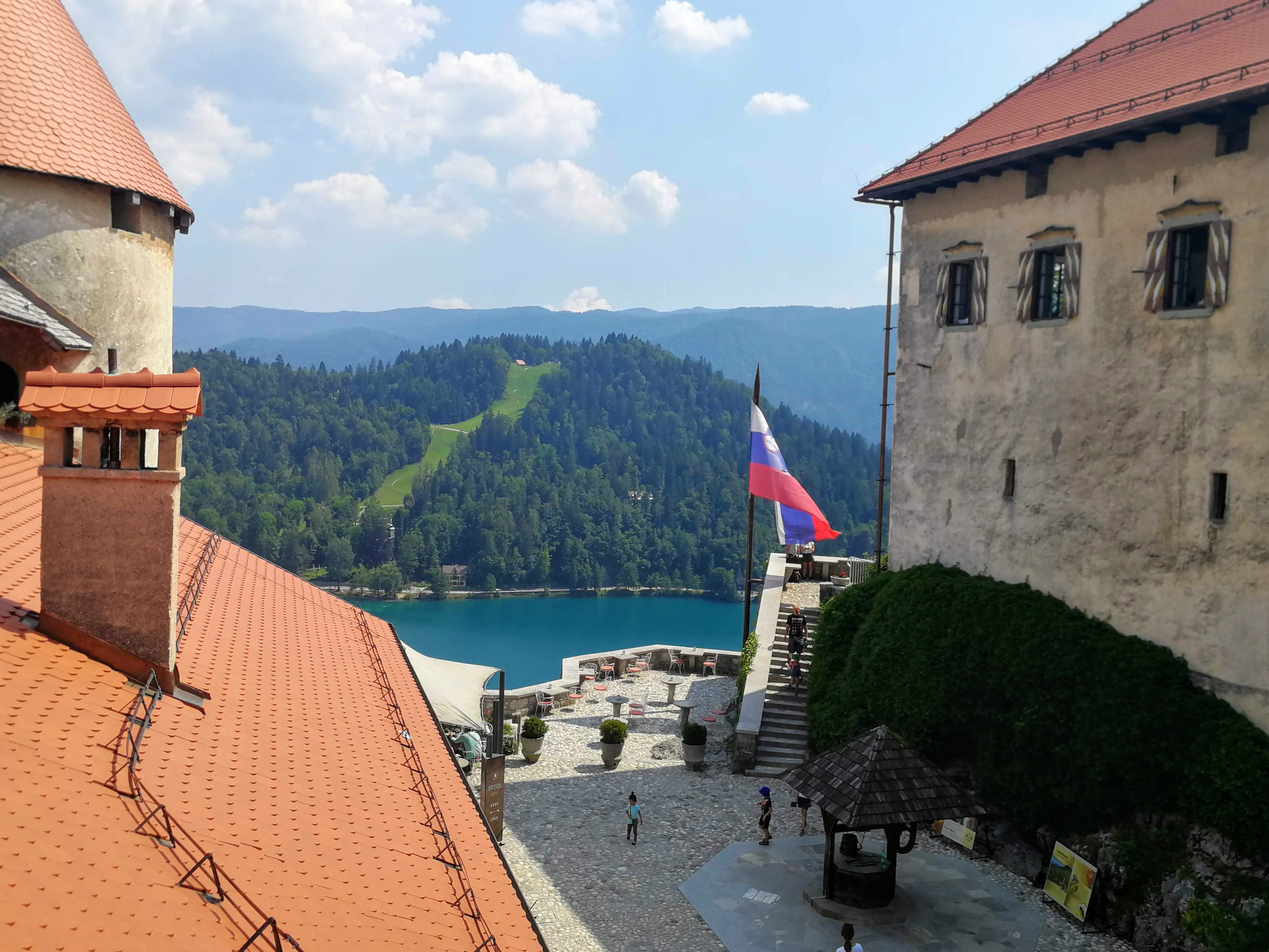
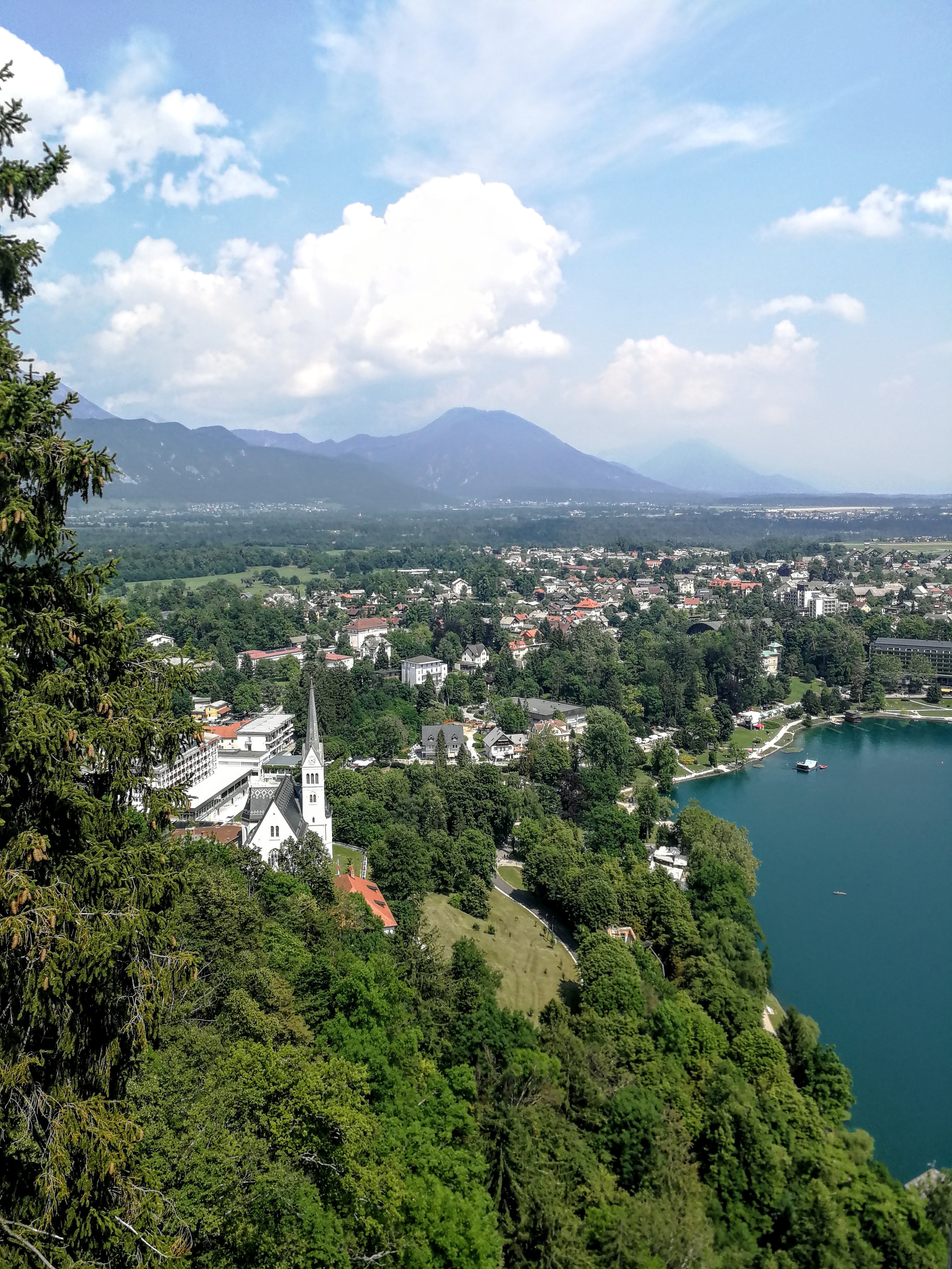
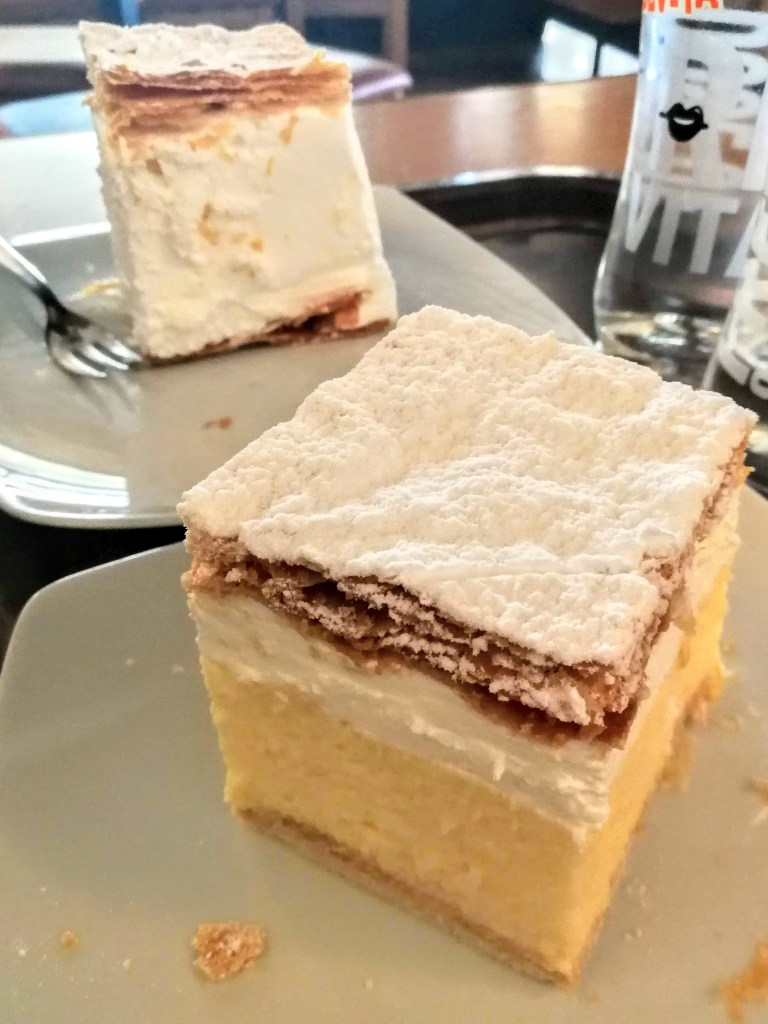
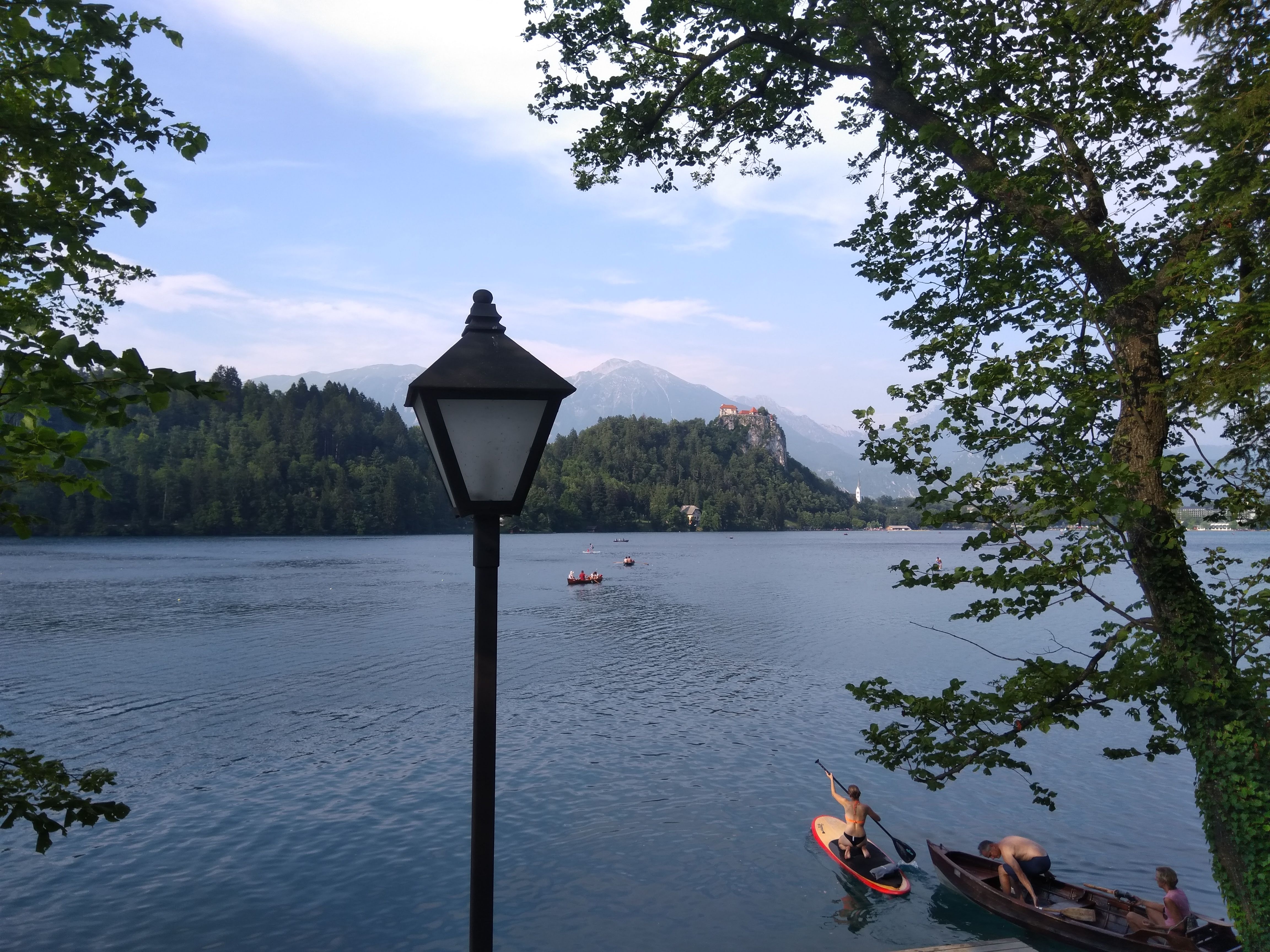
One of our favourite parts was actually just sitting and enjoying the view itself. We meandered around the lake for a good portion of the day and there are plenty of shady trees to sit under or restaurants to eat at right on the lake-side. One thing that every visitor must try is the famous Kremšnita cake (also known as Kremna Rezina). Although originally Croatian, the recipe was made famous in Bled by the former pastry chef at the Hotel Park Cafe. This is THE place to try the sweet pastry treat, though many cafes and restaurants will also serve their version of it also.
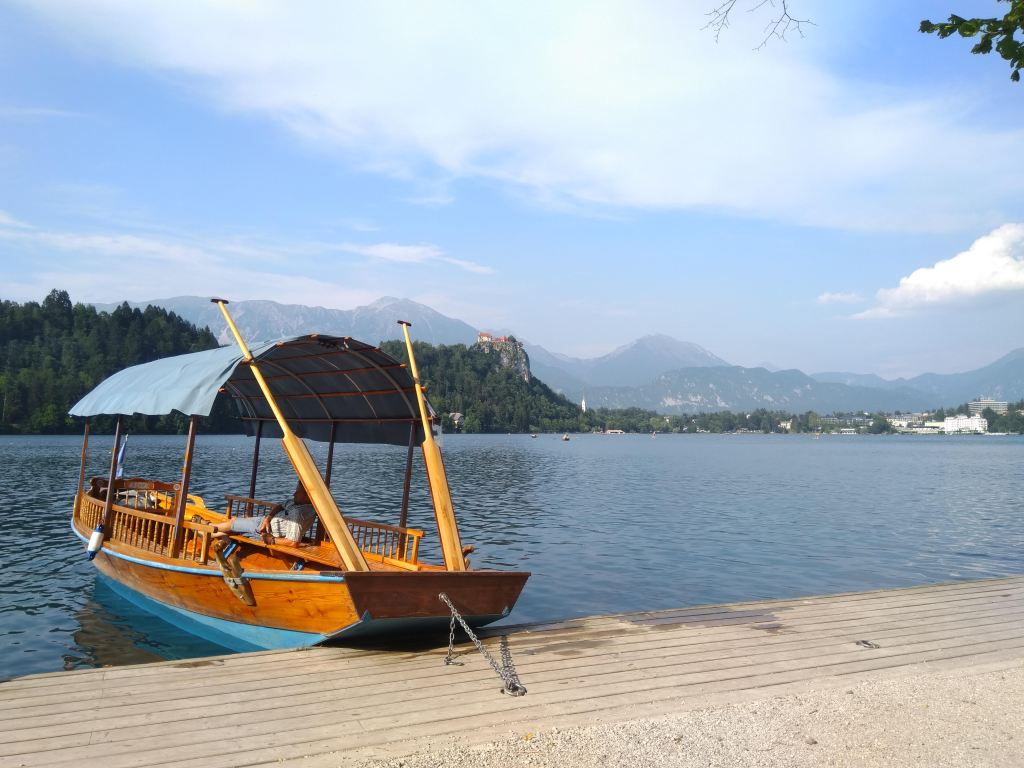
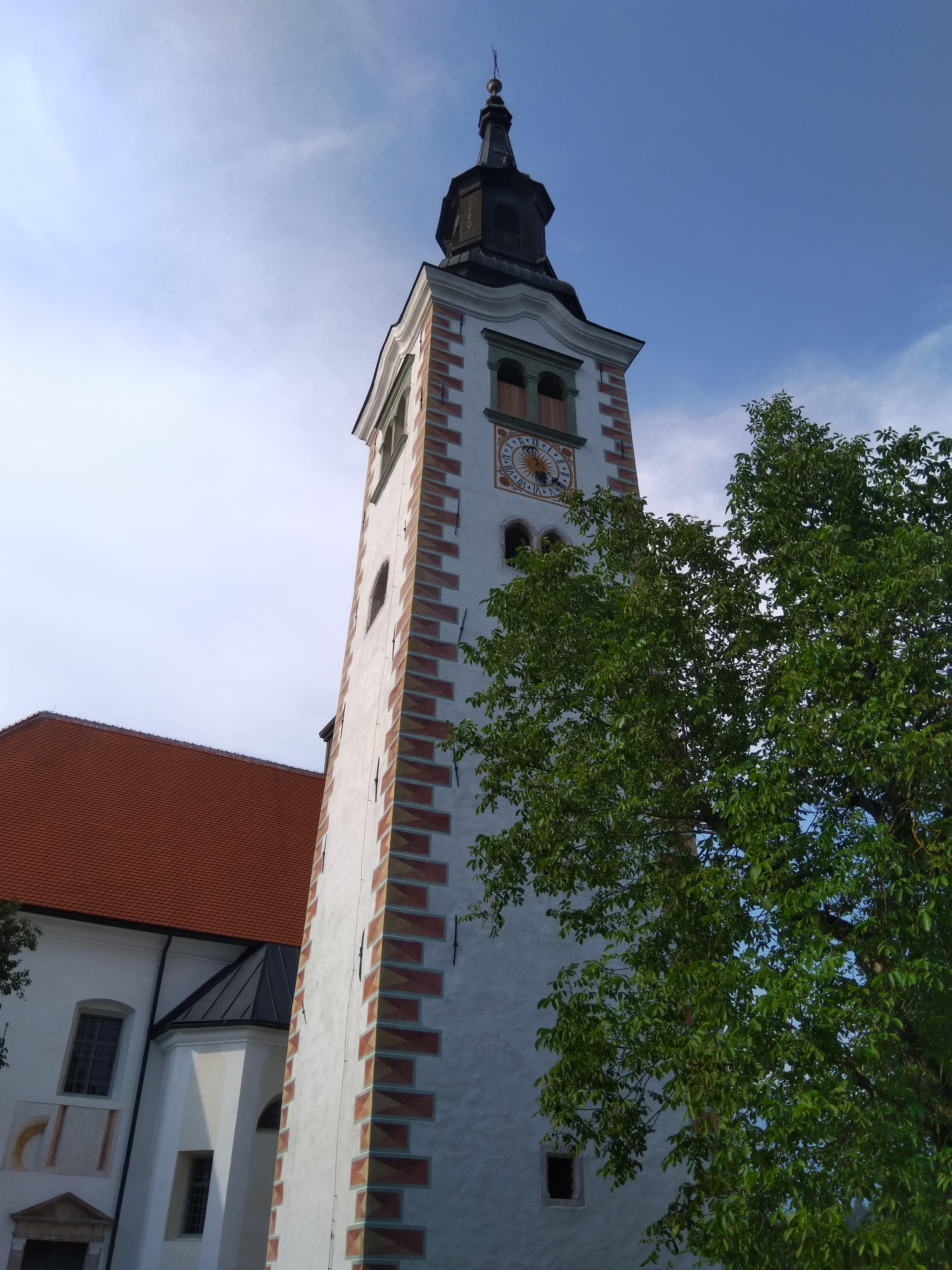
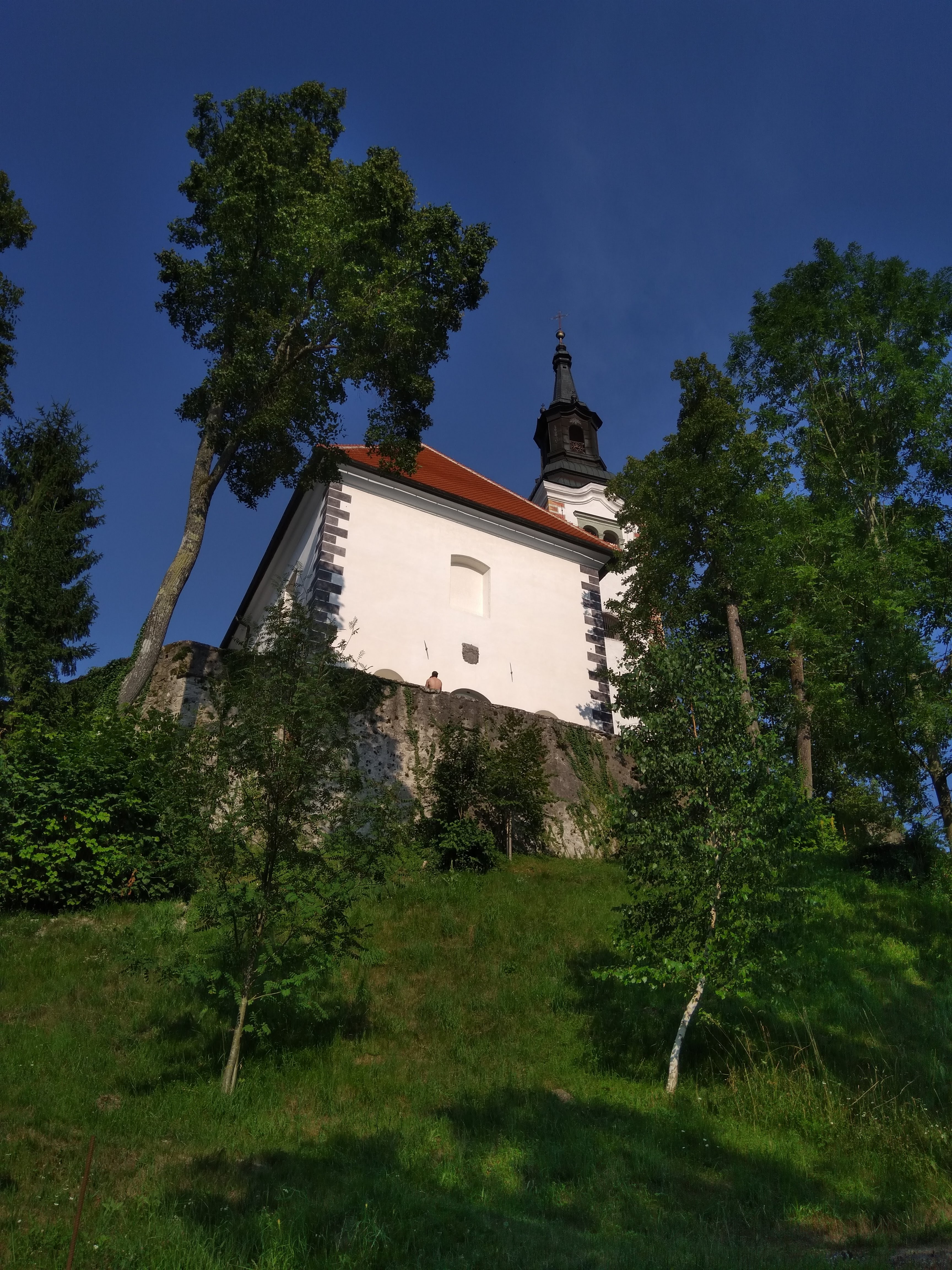
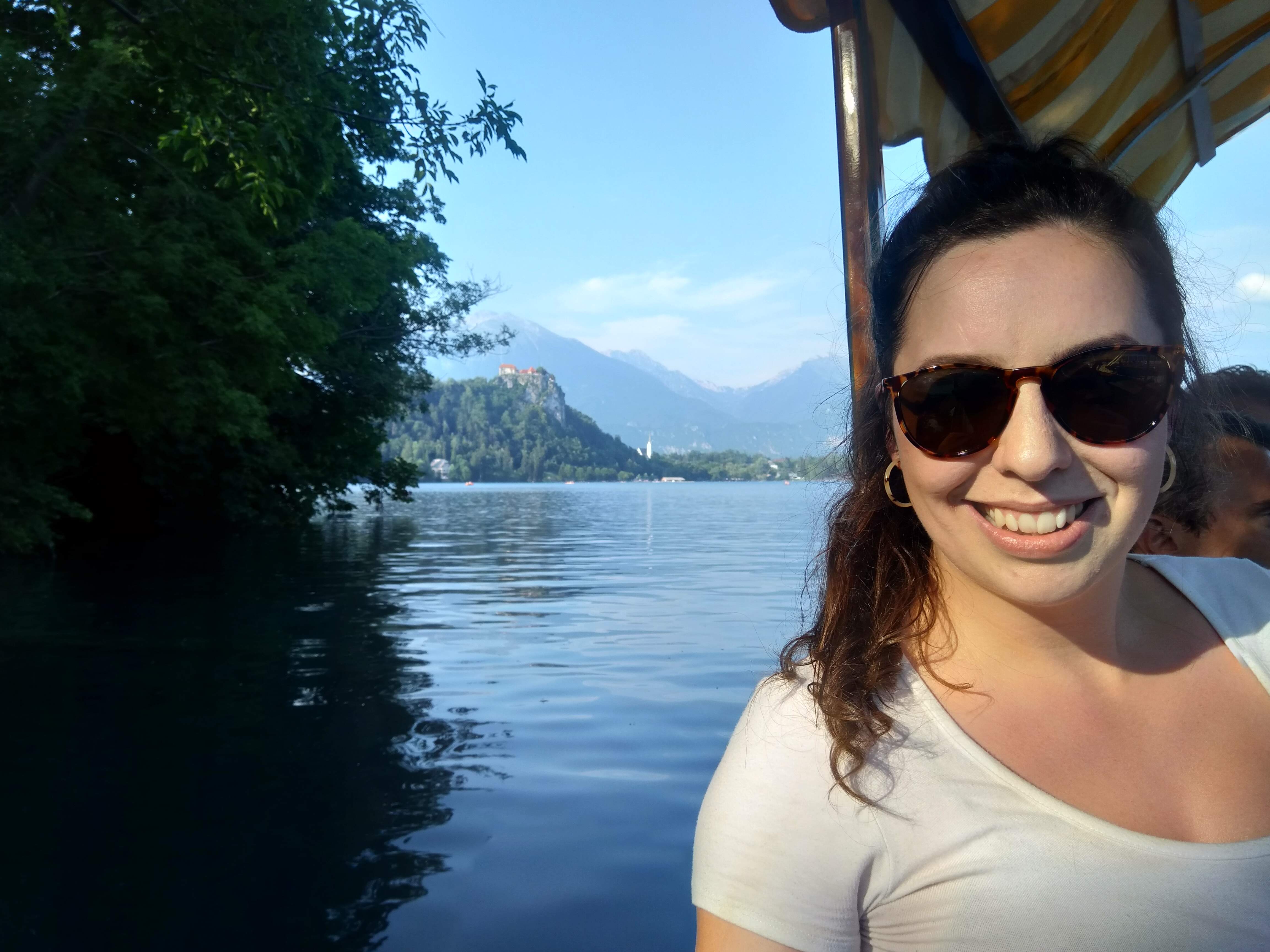
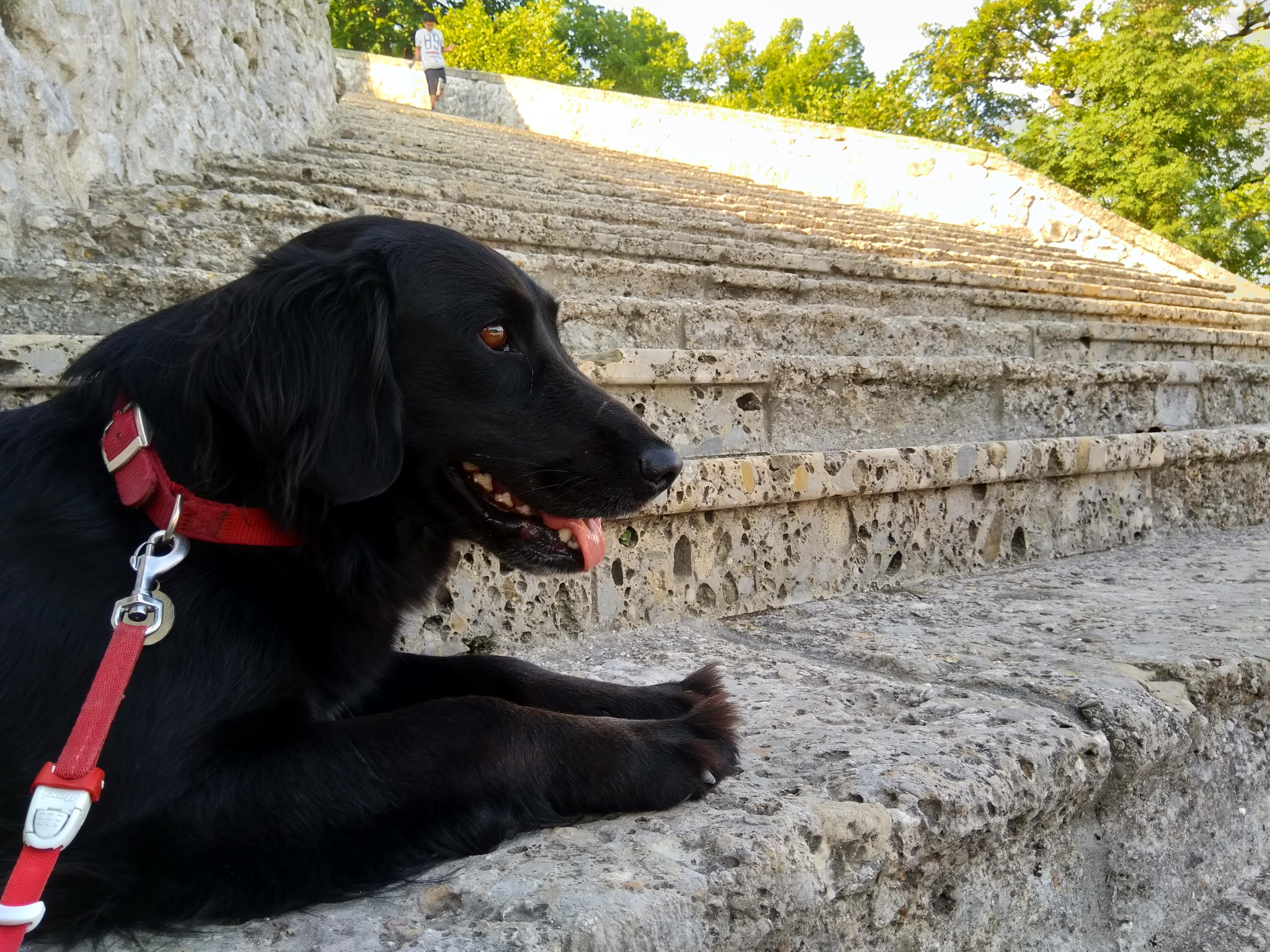
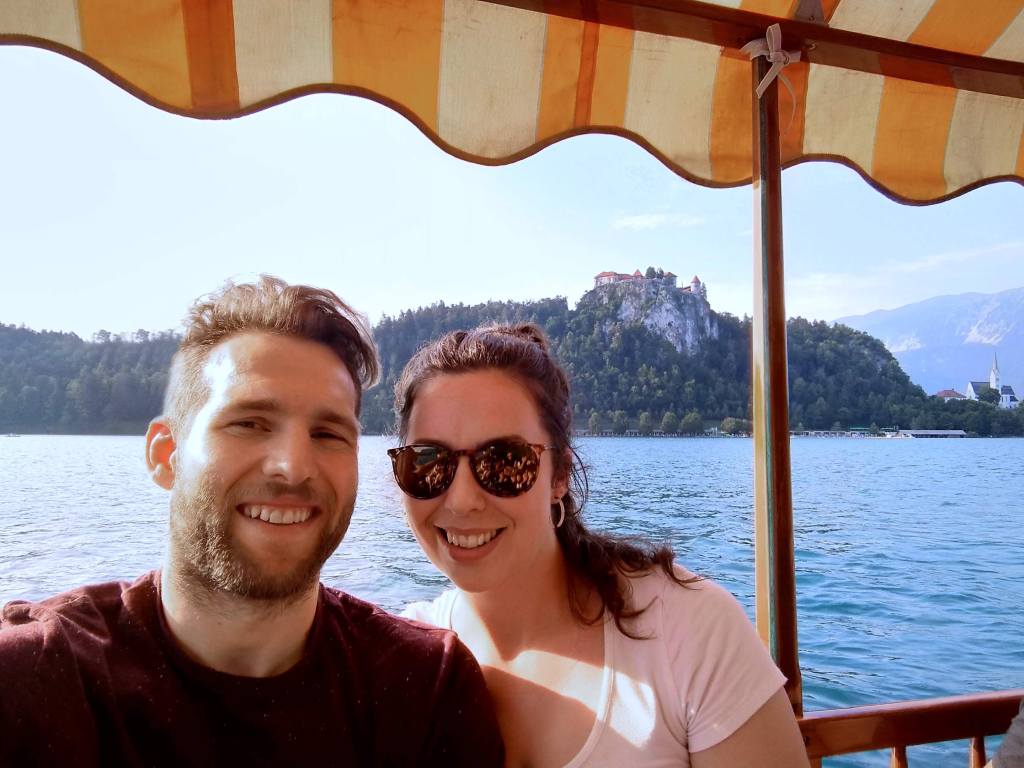
Traditional boats, known as pletnas, make the trip back and forth between the mainland and the island throughout the day (up until about 5 or 6pm. They’re also dog-friendly!). Personally, we found the actual boat trip itself, and the view from it, more exciting than the island. It is small and can be circumnavigated within about 10mins, though walking at a leisurely pace and stopping at the picturesque views is more pleasant. Despite the “no swimming” signs, many swim and take kayaks out to and from the island. It was lovely to sit on the jetty, dip our toes in the cool water and savour the tranquility of the landscape Apart from a few small buildings (for the chaplain and the provost), the small chapel is the main symbol of the island. The Church of the Mother of God on the Lake can be entered and its bell tower climbed for a small entrance fee.
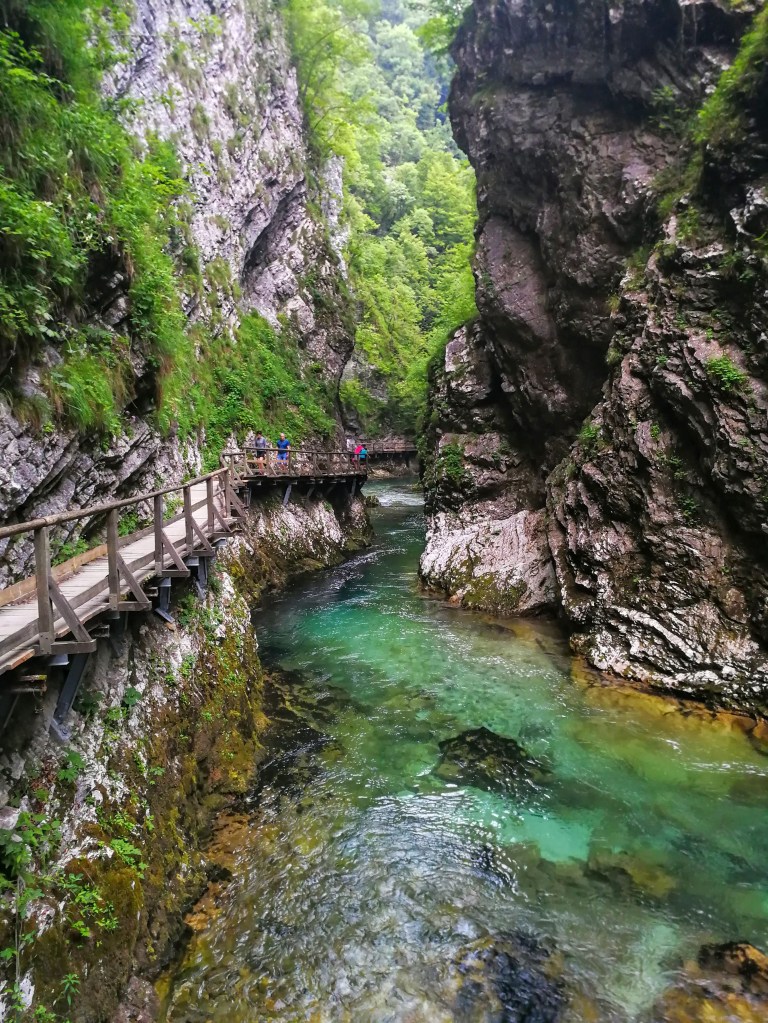
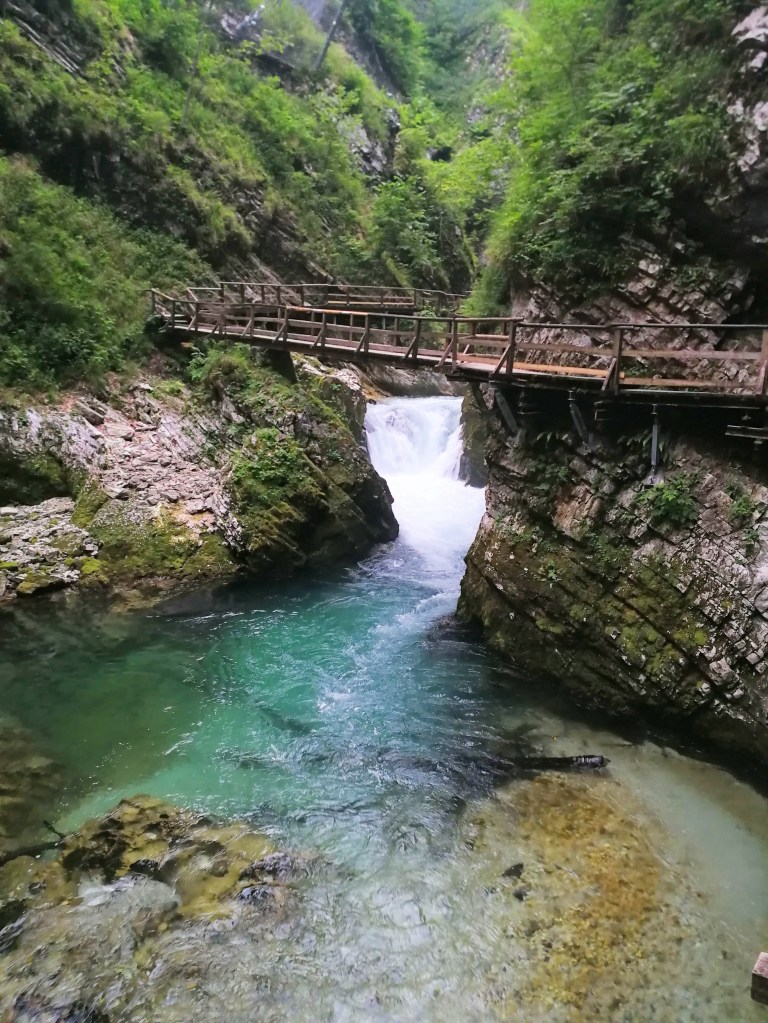
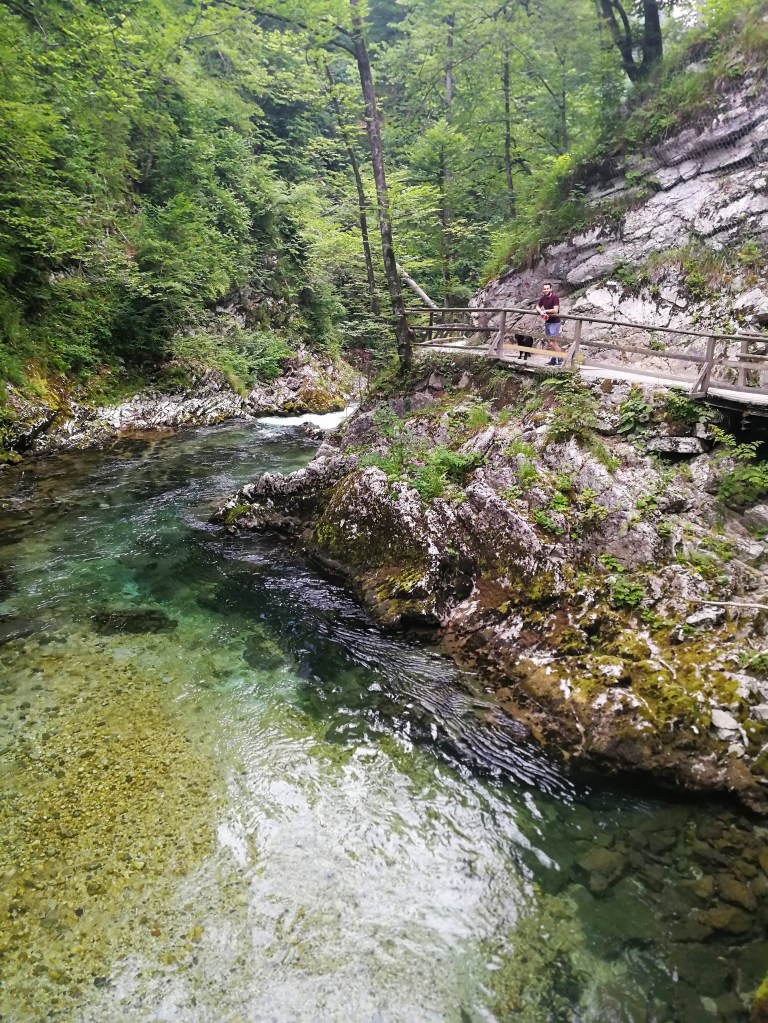
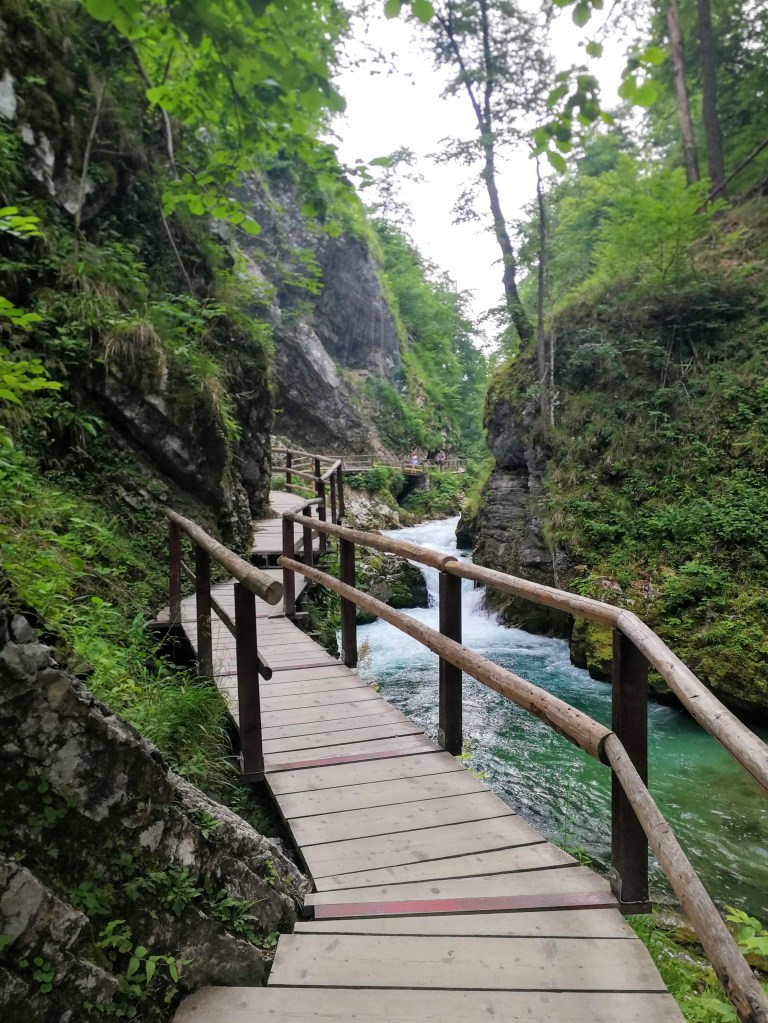
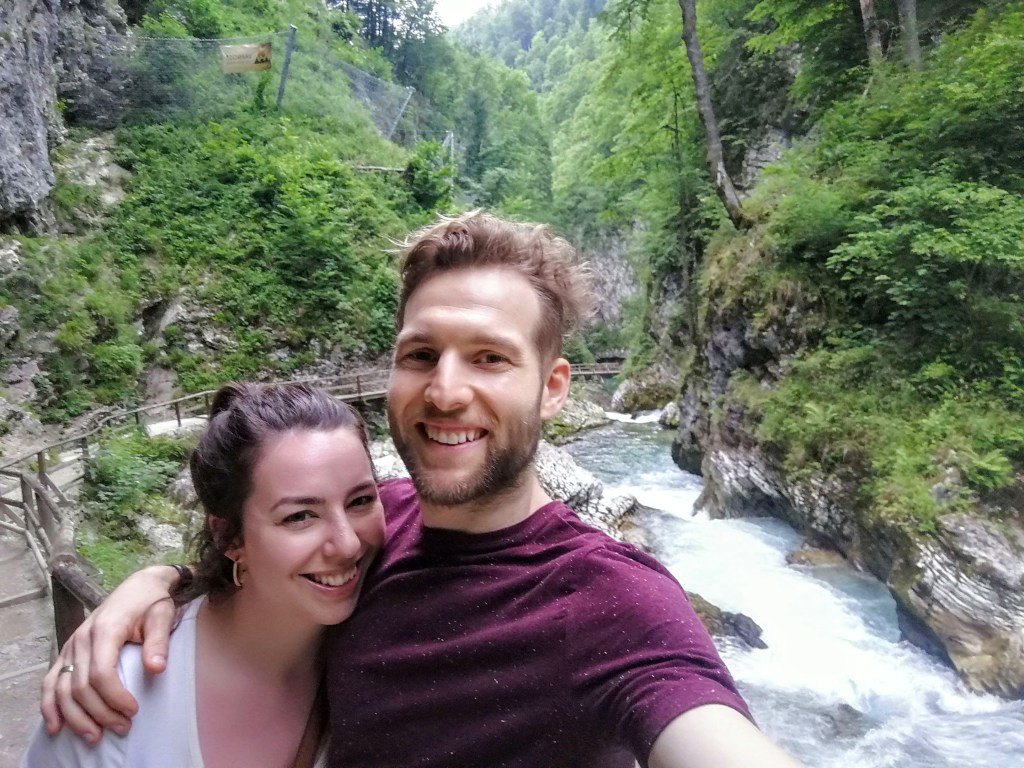
A short drive from Bled is the Soteska Vintgar (Vingtar Gorge). This is absolutely worth the detour. It can get very busy during peak season, however we went near the end of the day, so there weren’t many people around and it was easy to find a park. The gorge follows the Radovna River, which has etched a narrow path into the lush terrain. The walkways usher you back and forth over the river, across bridges and small wooden boardwalk that hang out over the rapids below. I appreciated the fact the most of the infrastructure was wooden, as it felt like it didn’t compromise the view as much as large steel suspension bridges could have. The walk itself is fairly flat and easy. Vingtar Gorge is a magical immersion in nature that is unmissable.

 The Land Cruisers