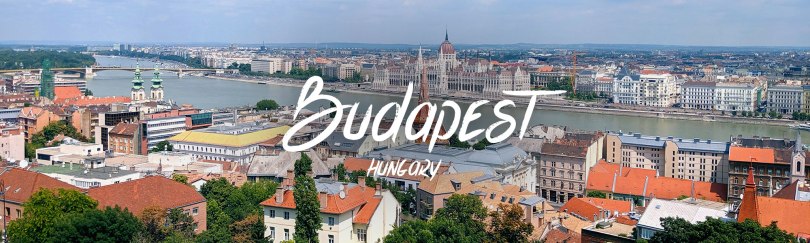
After a rather long overnight bus ride we pulled into Budapest in the early morning hours, greeted by a family friend. He would serve as our very own “official” city guide for the duration of our time in Hungary. We felt as though we just wanted to sleep and shower off the bus ride, but headed straight out to make the most of our time there.
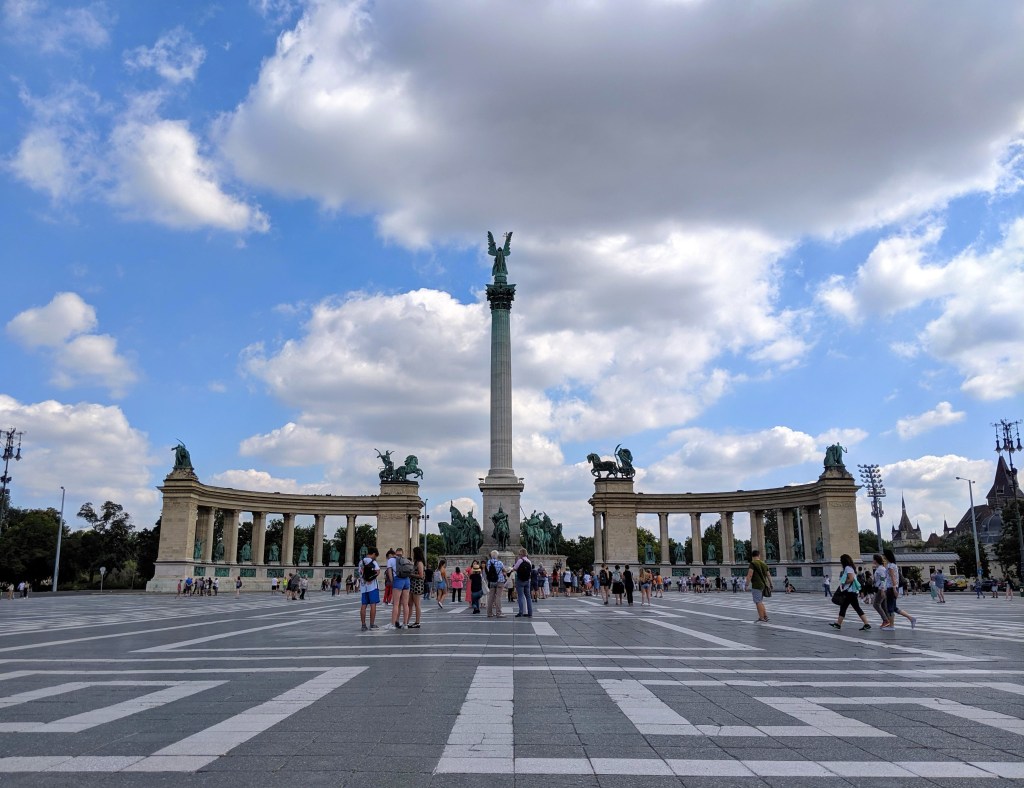
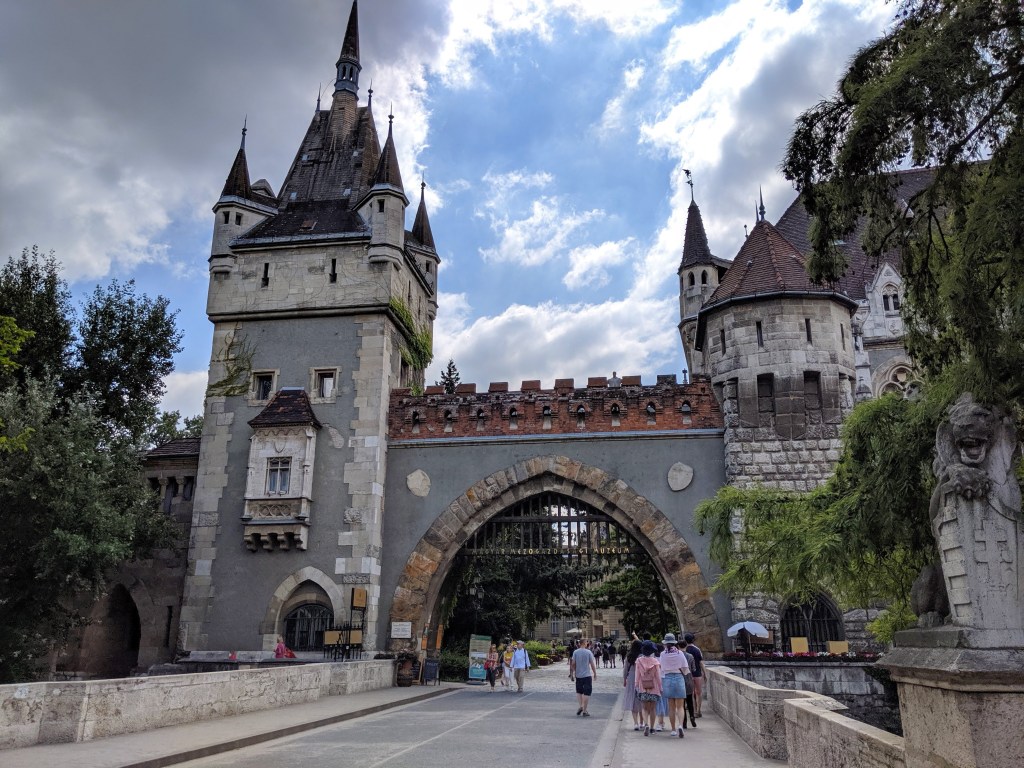
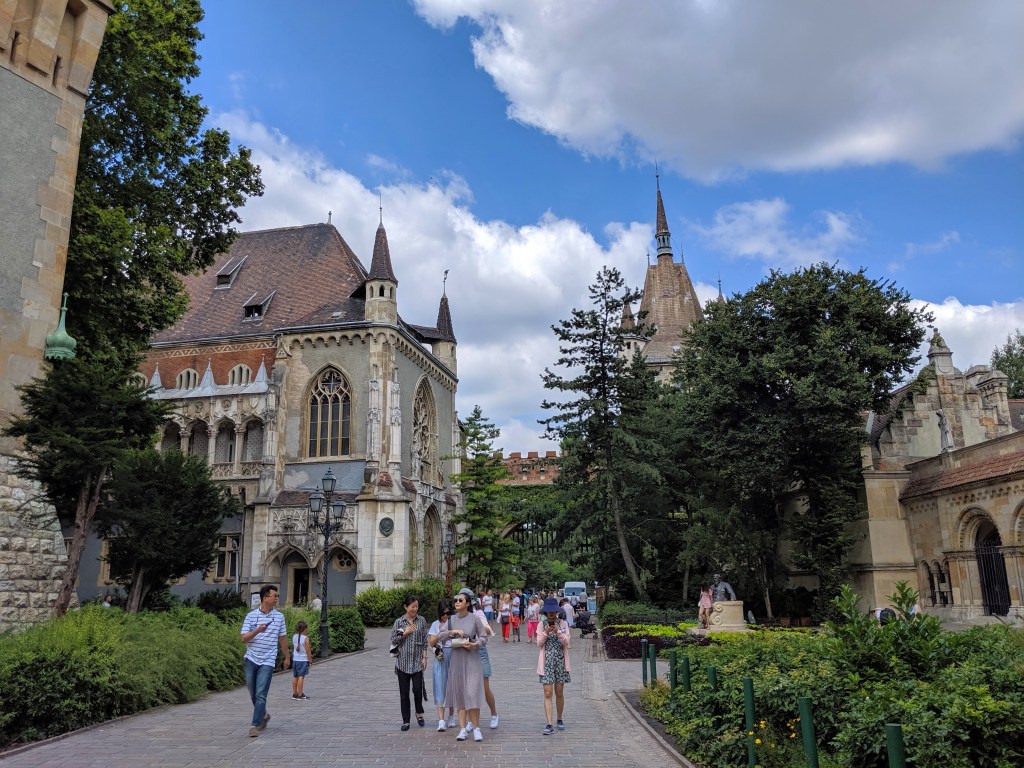
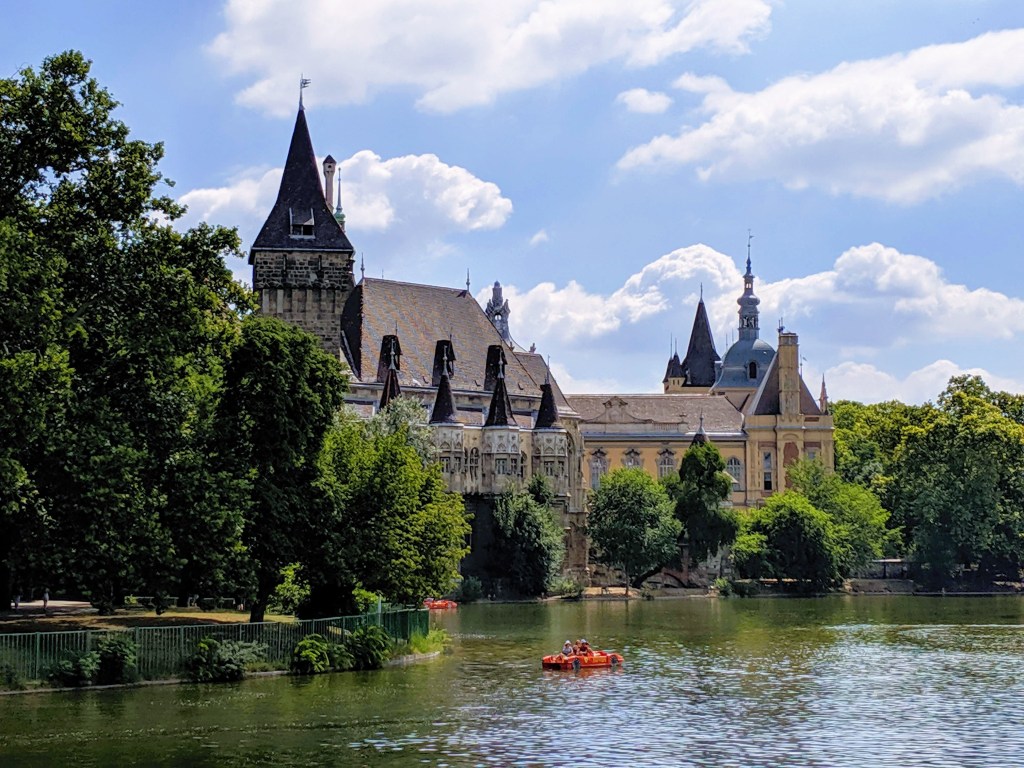
In the centre of the city park, lies Vajdahunyad Castle. Originally it was made from cardboard and wood, built to celebrate the 1,000-year anniversary since the Hungarian Conquest of the Carpathian Basin. As its popularity grew, the decision was made to make it out of more sustainable materials. It is a mix of different architectural styles and somewhat based on the Romanian (specifically Transylvanian) castle, Hunyad Castle. Vajdahunyad Castle now serves as the Museum of Hungarian Agriculture.
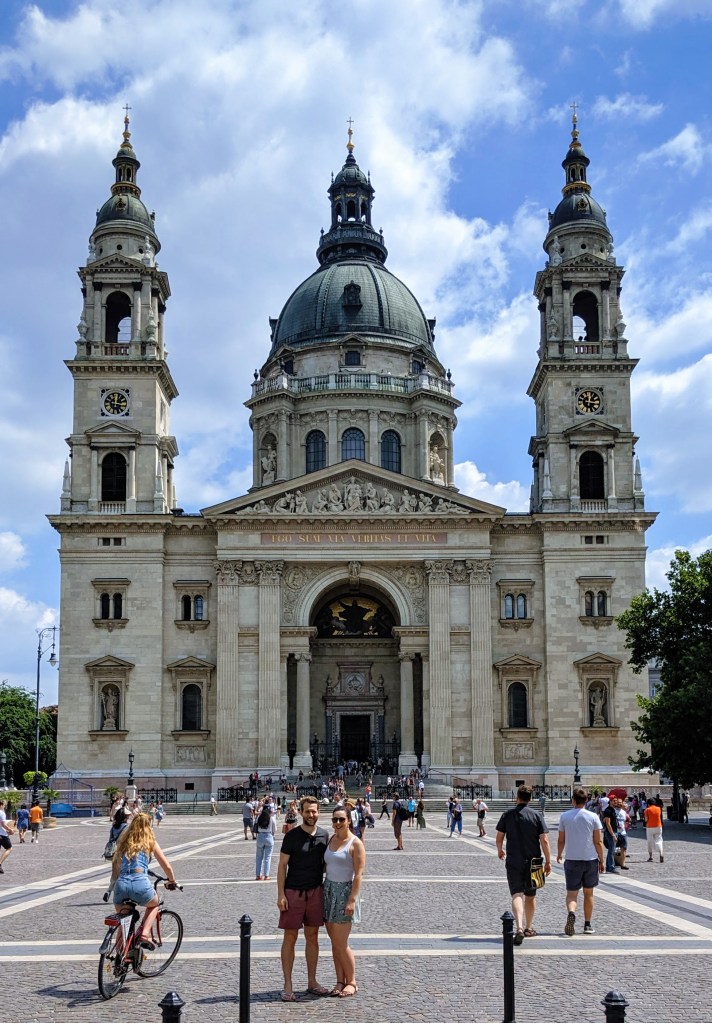
A short trip downtown and we found ourselves standing outside the impressive St. Stephen’s Basilica. While in the area, many people pay a visit to Gelarto Rosa to get that classic ‘I’m eating a rose-shaped ice-cream in front of a church’ photo. Perhaps it’s a bit gimmicky, but it’s just one of those things that tourists do when they’re there.
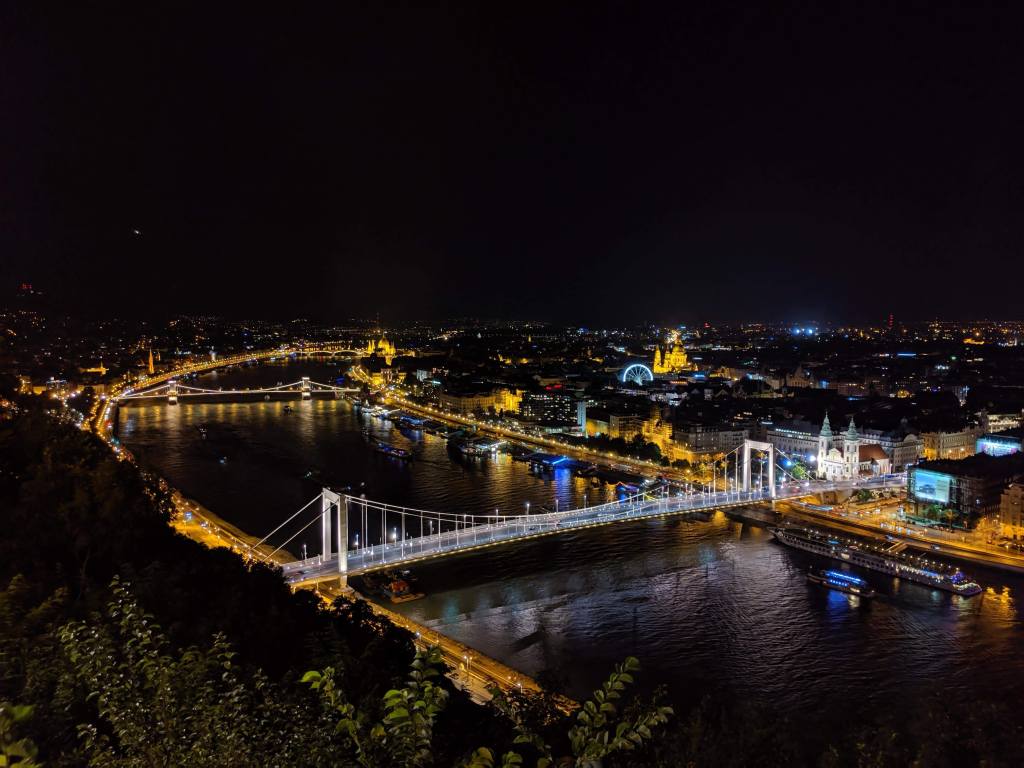
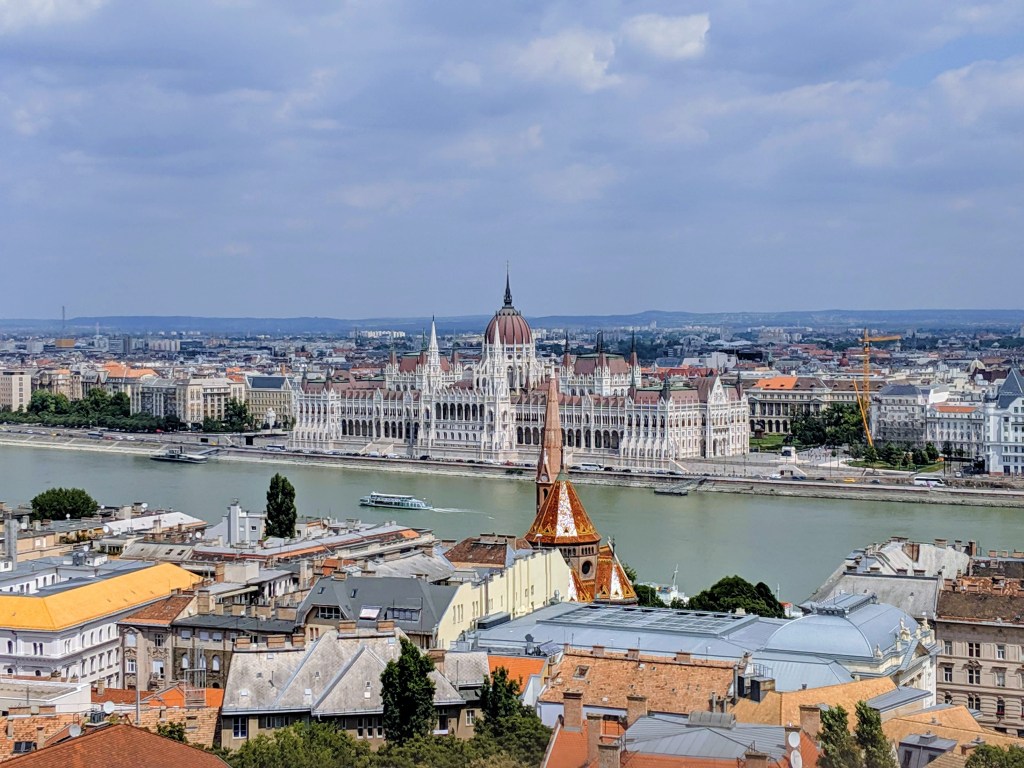
The bridges crossing the Danube River provide great views in every direction of all the stunning architecture, including Parliament Building and Buda Castle on the hill. Once across the river, you can walk (with the help of outdoor escalators and elevators if preferred), take the funicular or drive/taxi up the hill to Buda Castle. This will also give you the chance to explore some more of the old part of town.
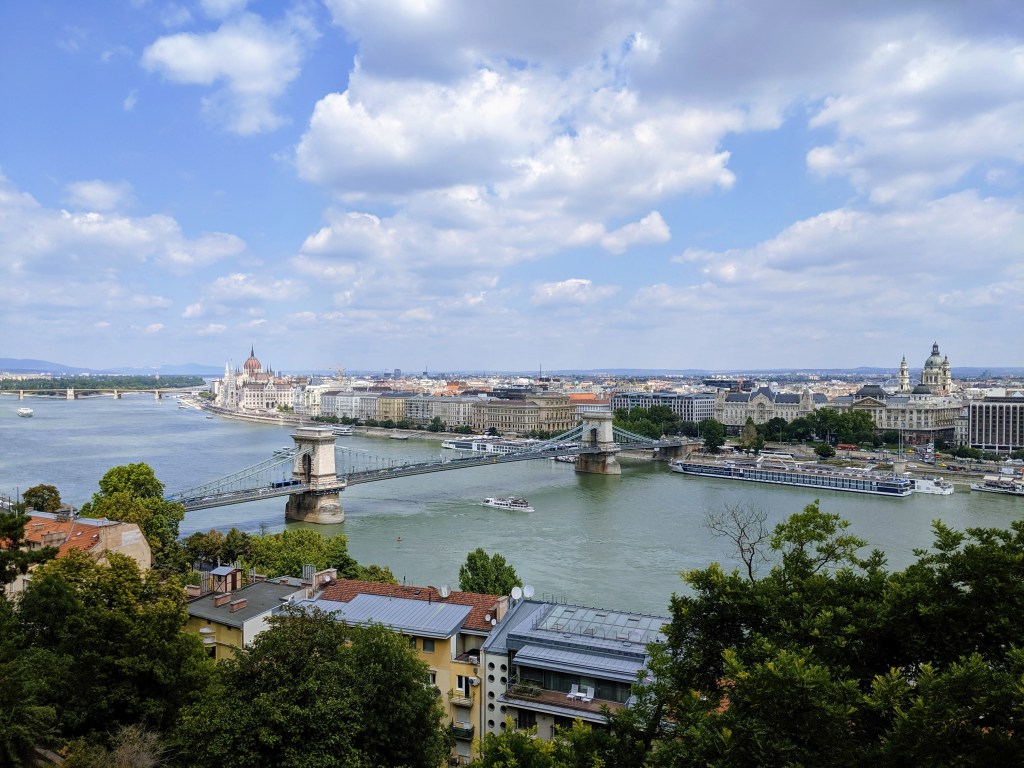
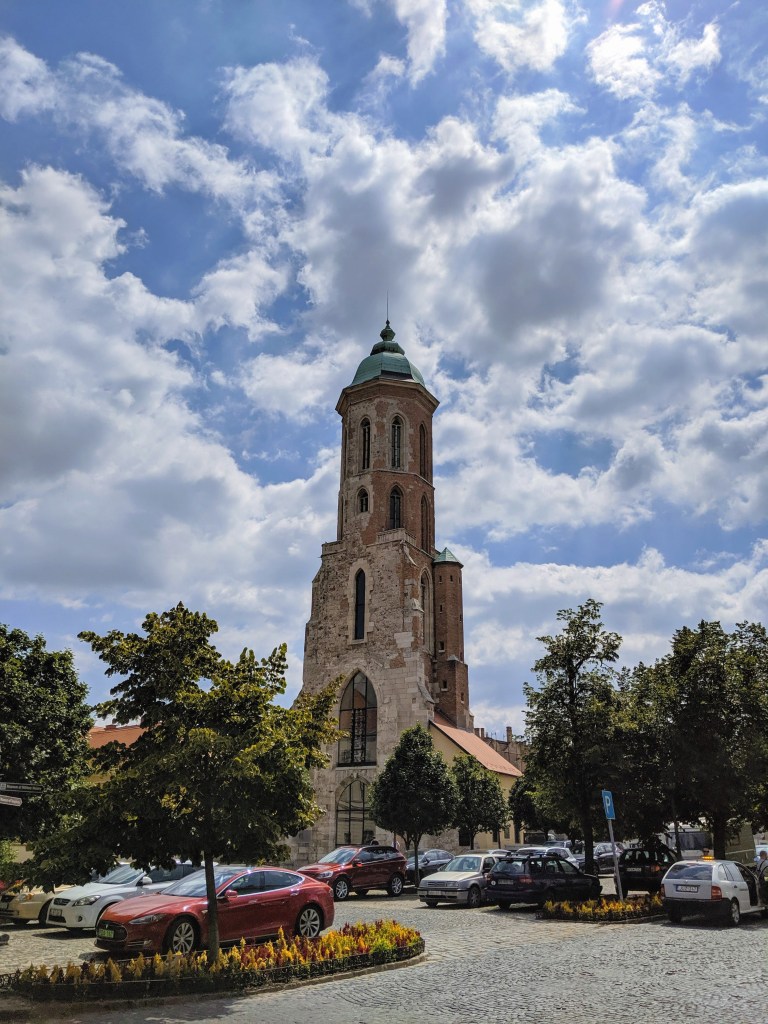
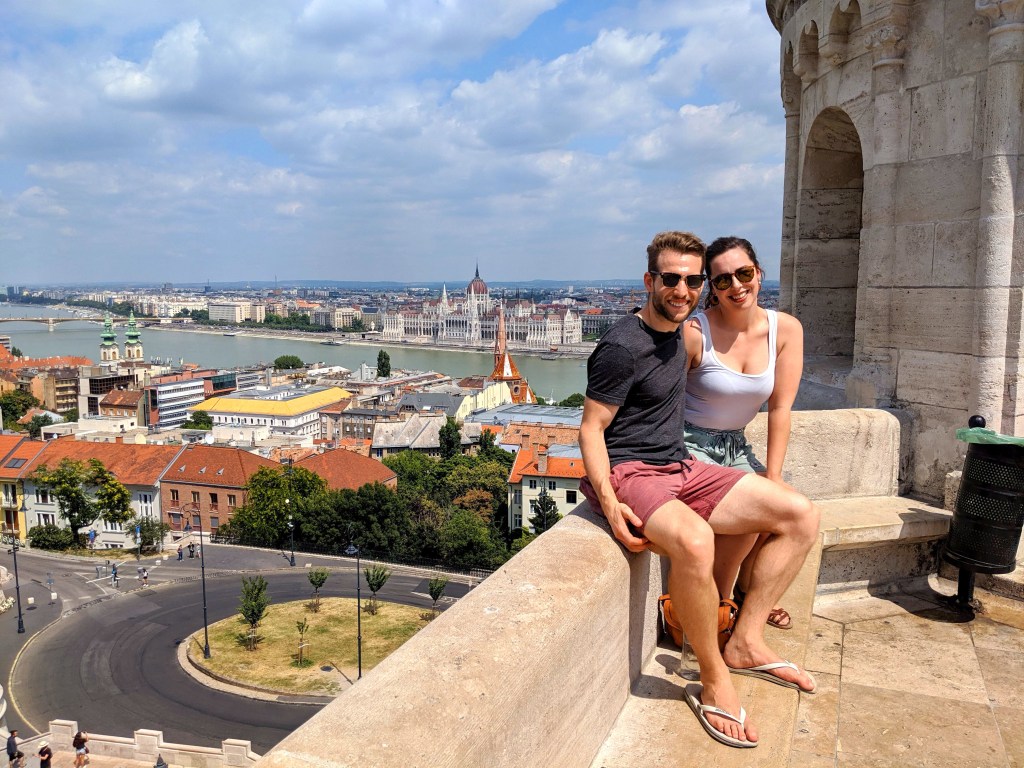
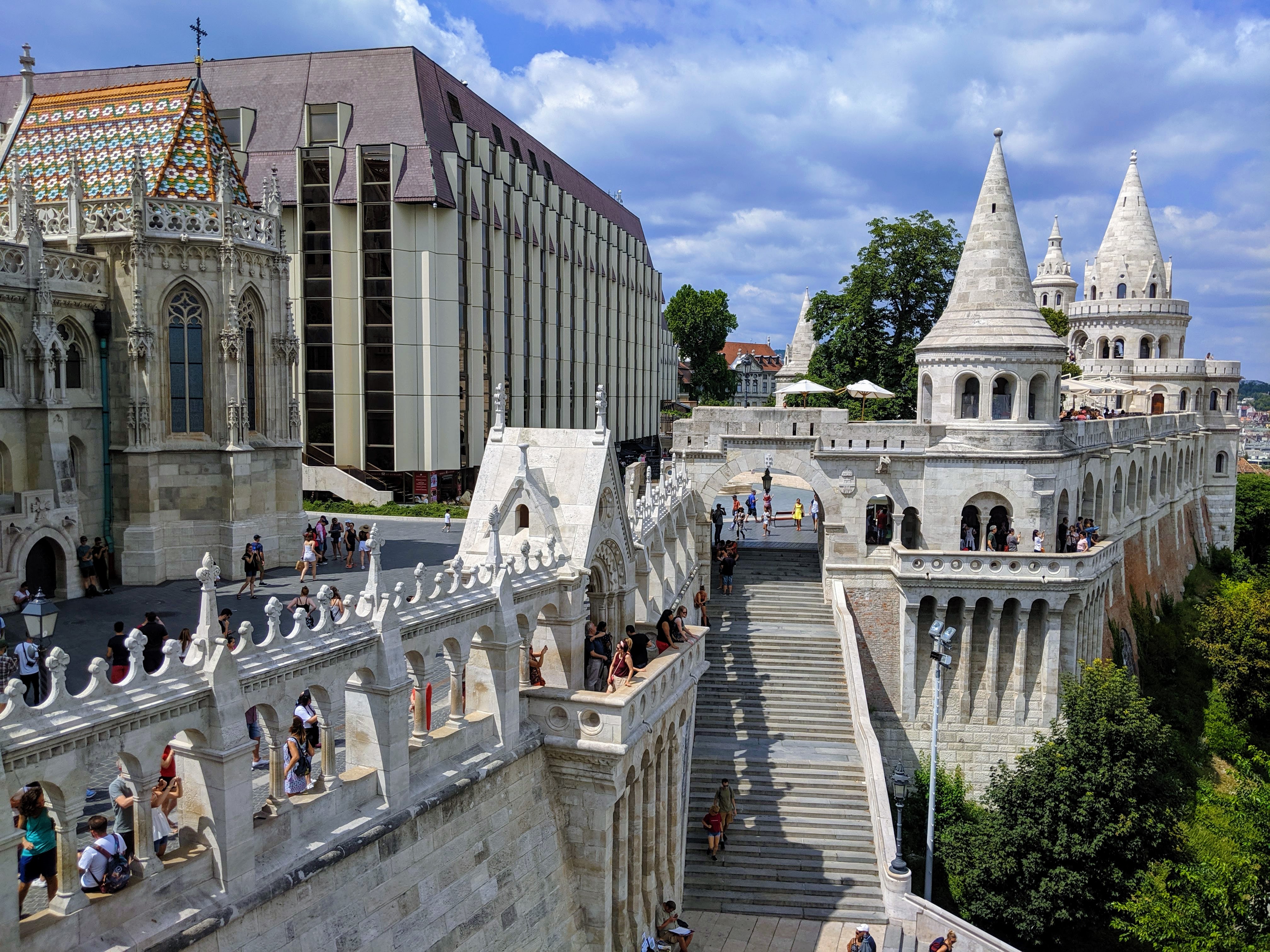
Perhaps Budapest’s most well-known landmark is Fisherman’s Bastion. It lies within Buda Castle, is a must-do, and not only provides a great vantage point of the city, but is also an architectural treat in and of itself.
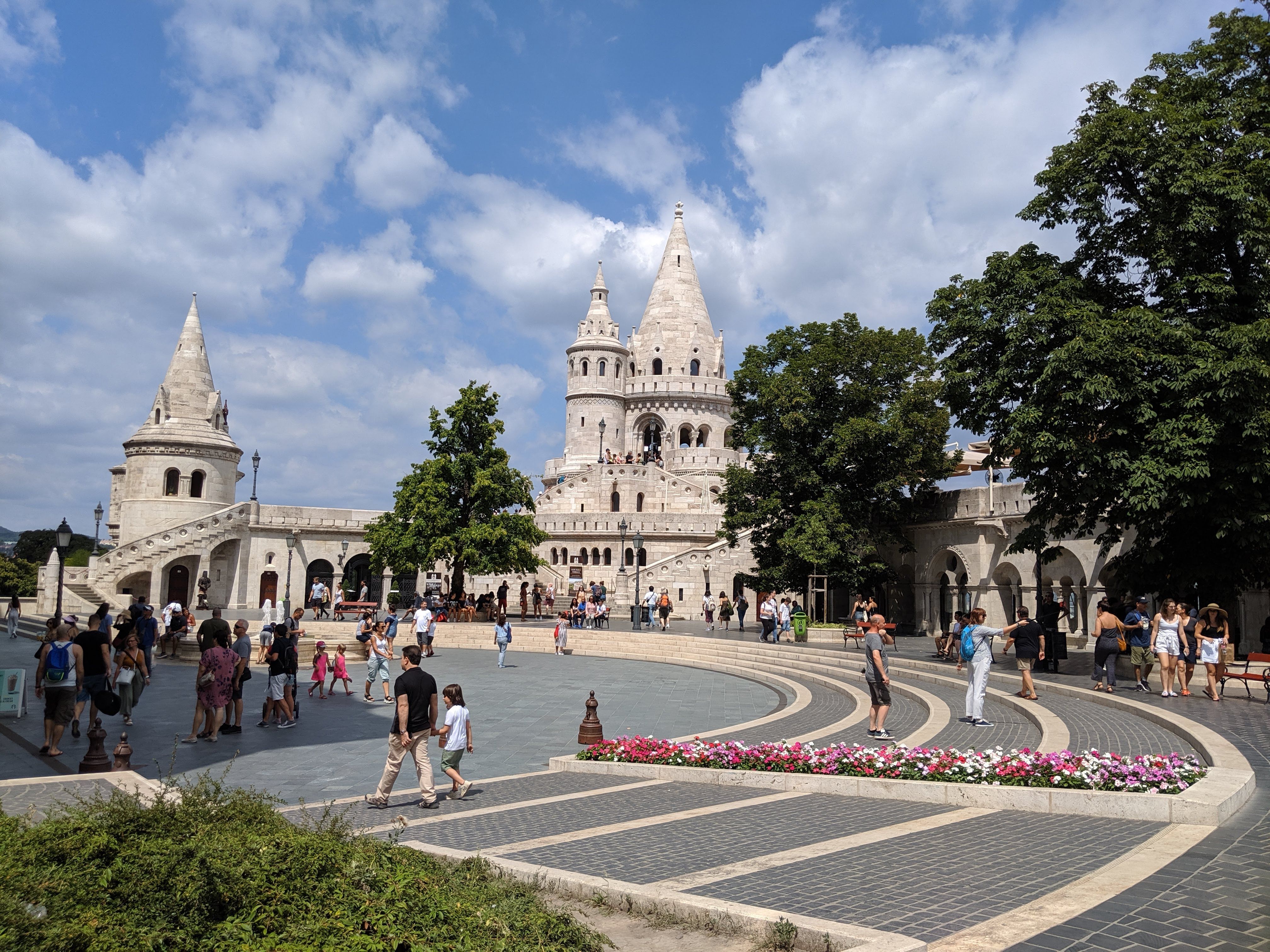
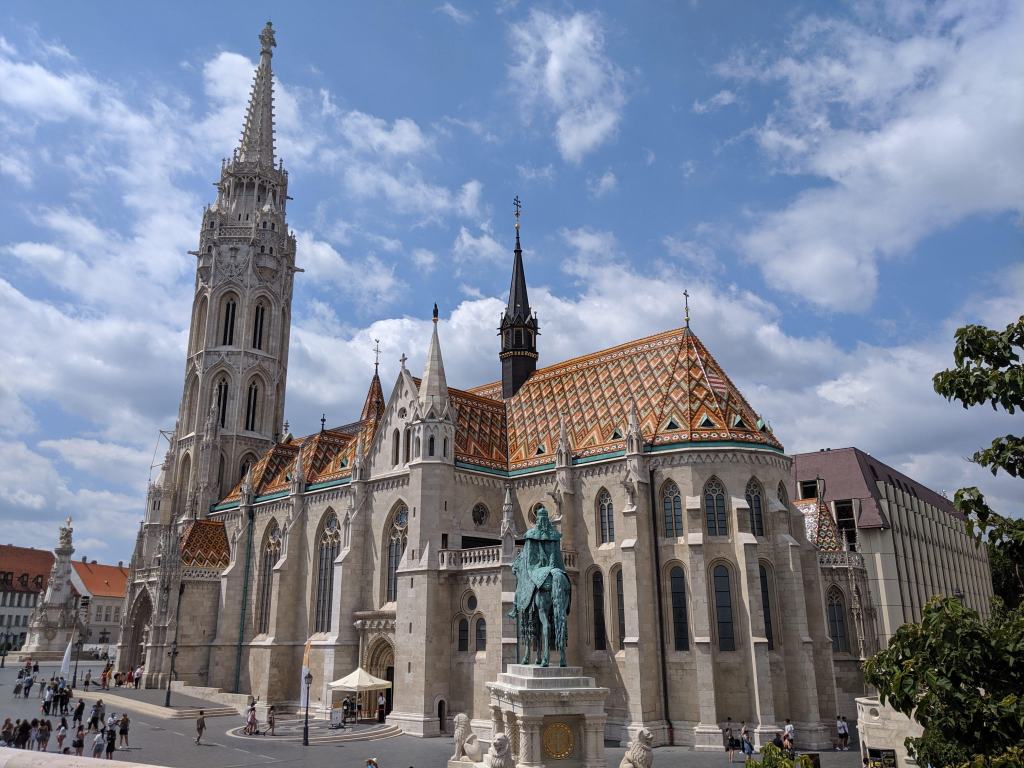
If you’ve got an evening free, this view of Budapest is just as impressive at night. We walked up to the top of Gellért Hill and got a great view of the city lights. It’s a bit of an incline, but worth it. You may also notice that in the late evenings, the Liberty Bridge is THE place where many (presumably locals) sit and drink beer every night, laughing into the night while their legs swing over cars passing by.
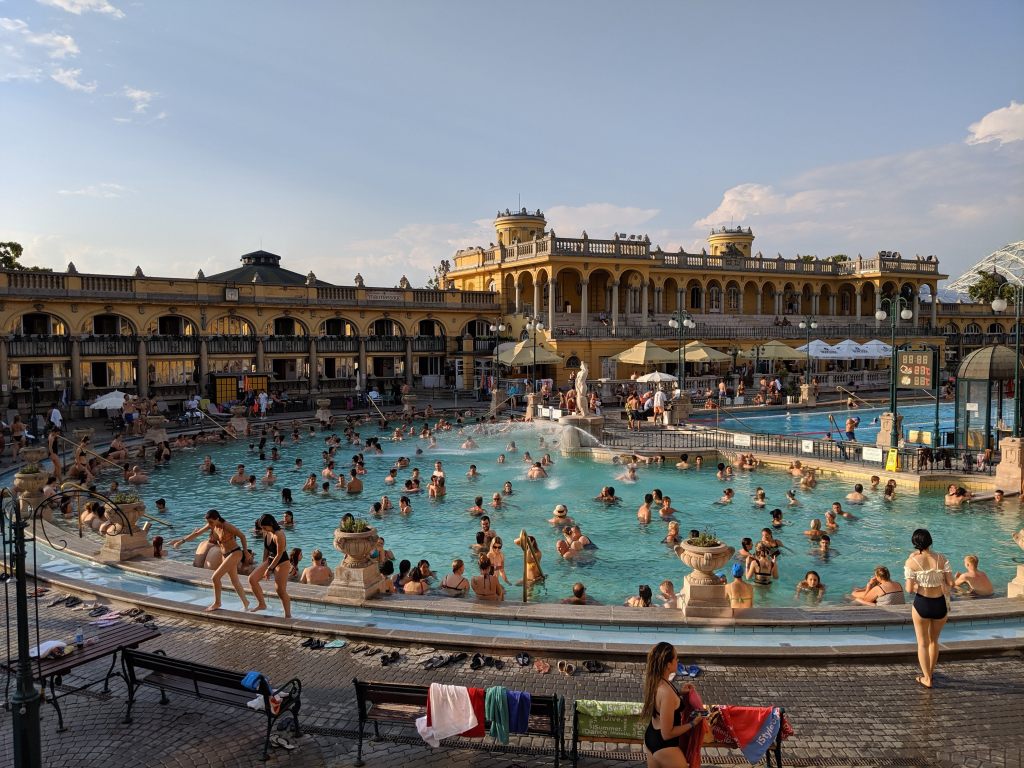
A trip to Budapest would be amiss without a bathe at one of its many thermal baths. The Széchenyi Thermal Bath is Europe’s largest medicinal bath and opened in the early 1900s. Not only does it boast natural hot water springs with minerals to minimise and soothe various aches and ailments, but its Neo-Baroque architecture is also a marvellous excuse for something to look at that isn’t older European men in speedos.
If you’re into the souvenir scene, a trip to the Central Market might be a bit of you. Is it a bit touristy? Sure. But it’s still enjoyable and interesting to see hundreds of stalls of local crafts, wares and food out on display.
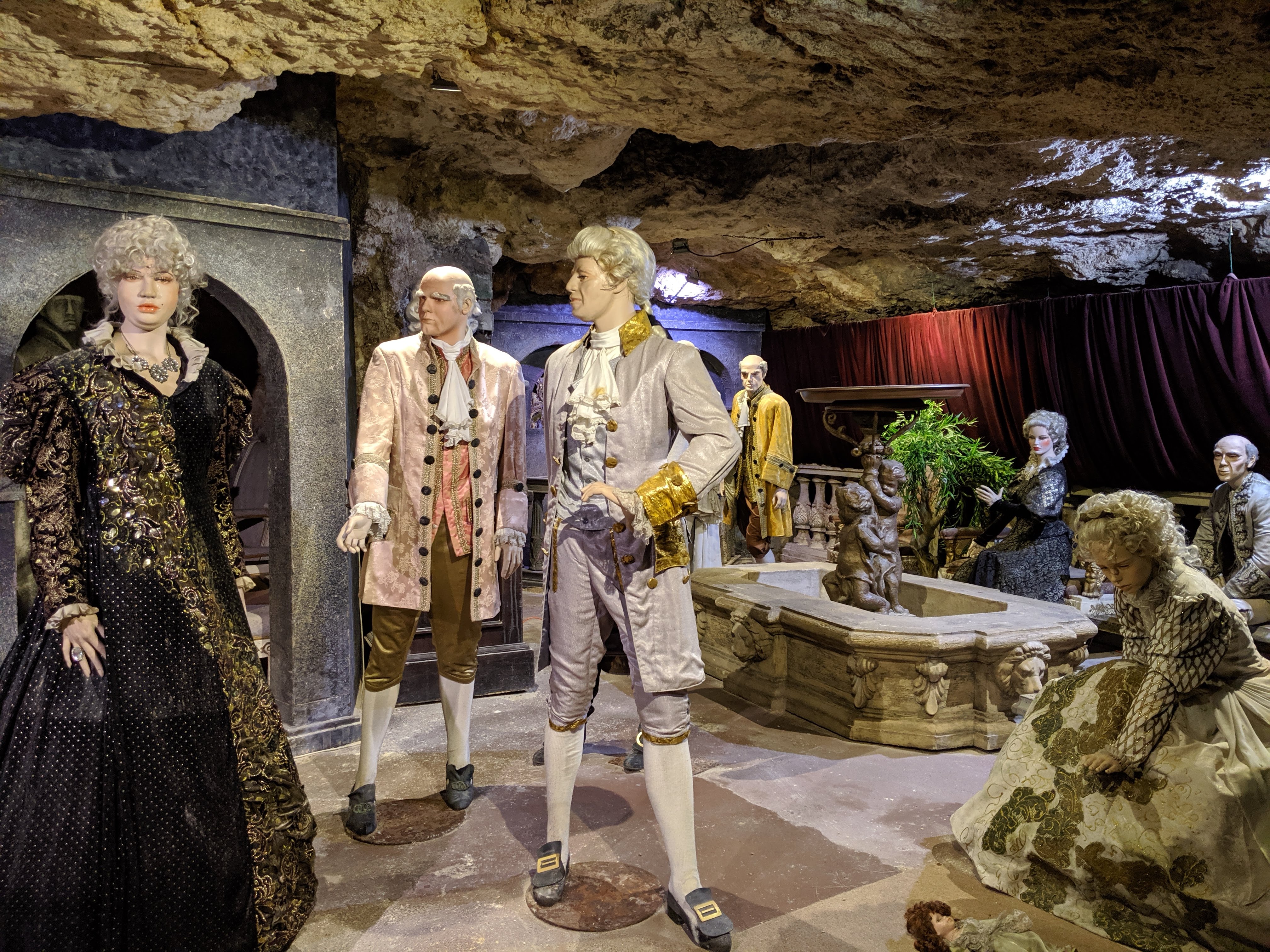
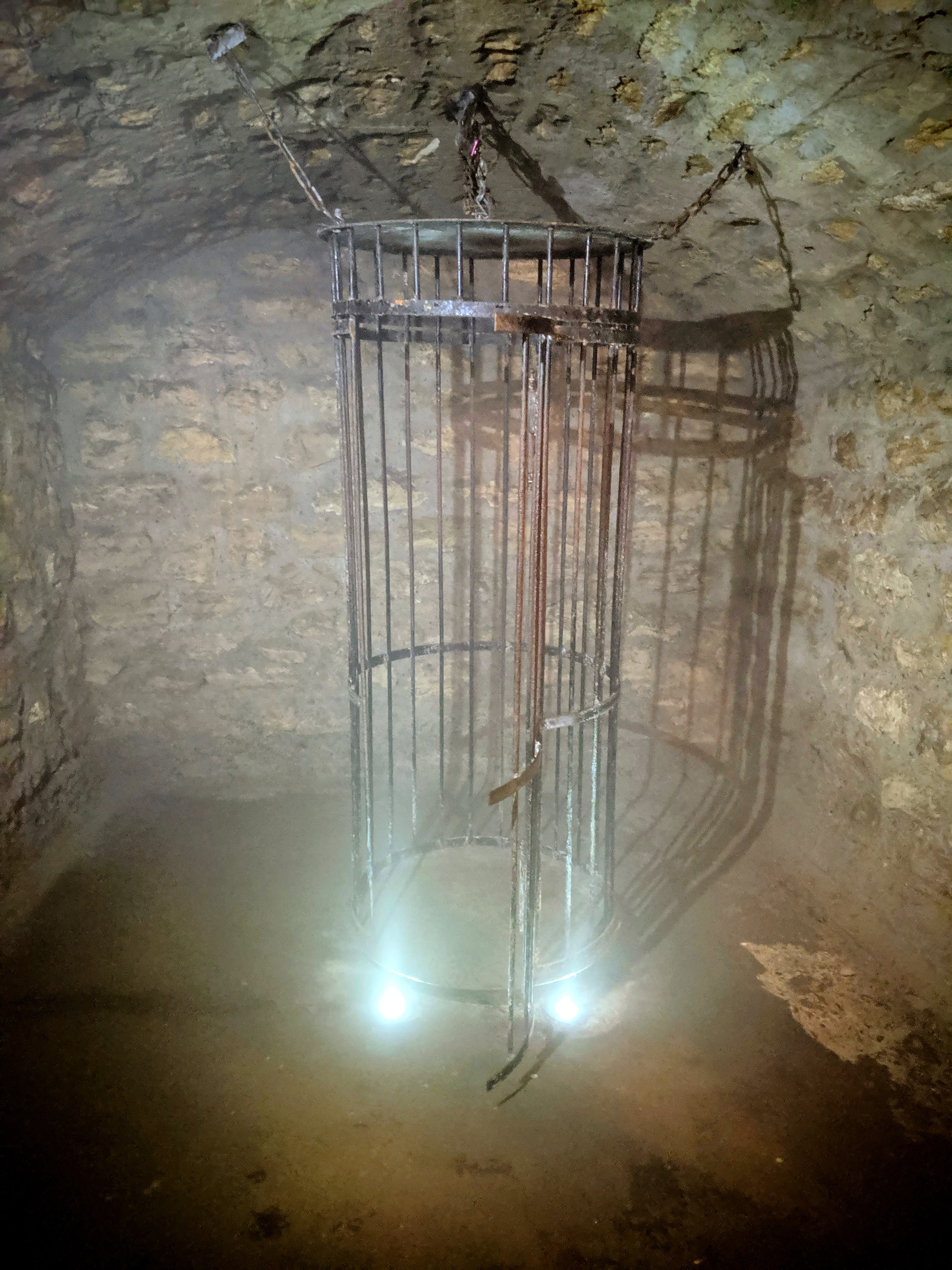
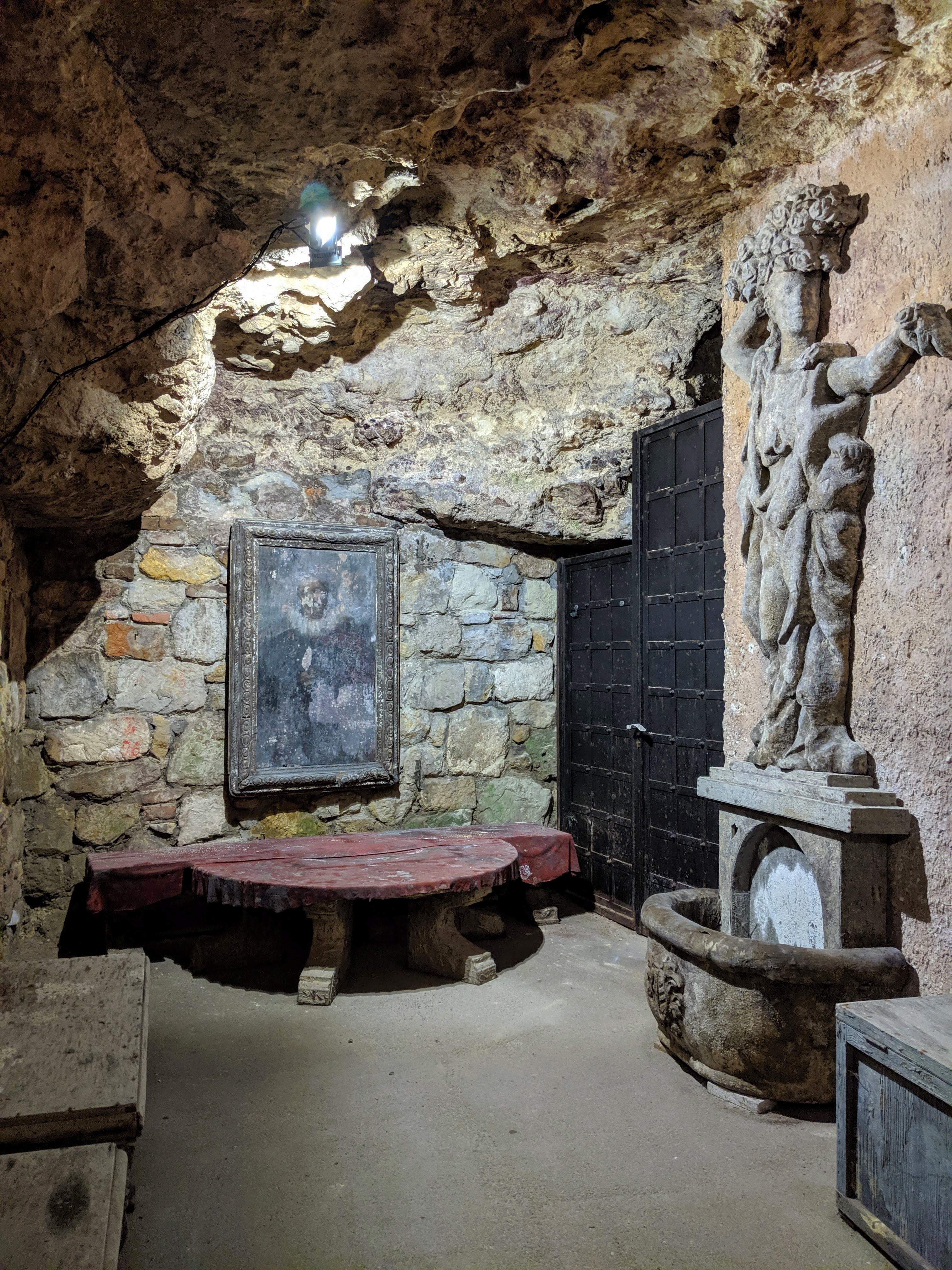
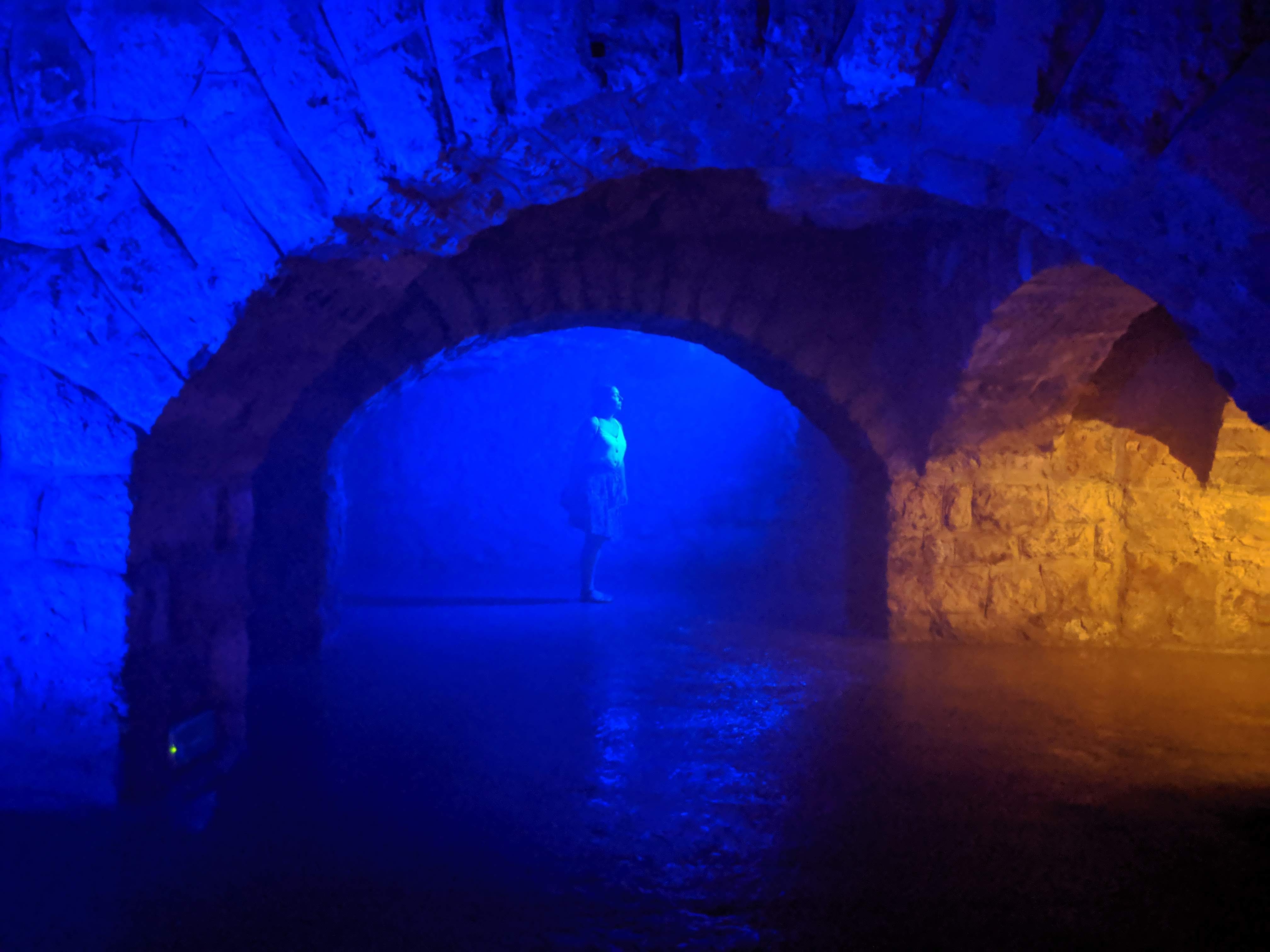
If you’ve got the time to spare and are into things that are slightly off-beat or odd (like Matt and myself), there’s always the Panoptikum. Mystery surrounds a labyrinth we heard about, which lies under Buda Castle. In times past, it was used as a bomb shelter, a prison, a WWII hospital and (apparently) even a 16th century Turkish harem. We originally heard about it from a friend who went to Budapest a number of years ago. We think things have changed since he went, as our visit left us as confused as it did amused. The research we did beforehand prepared us for the fact that it might not quite be the spooky underground adventure we were hoping for, but after reading other people’s reviews we thought we’d see what it was all about. There are multiple stories as to what exactly happened, but it seems as though the “Labyrinth” had been operating for about 30 years as an underground museum of sorts, up until 2011 when police inexplicably raided and confiscated much of the visual displays and assets on show there. Since then, it appears it is under new ownership and riding off the success of the former Labyrinth, renamed as ‘Panoptikum Budapest’ (‘Waxworks’). Don’t go to this attraction expecting much, and you might find yourself enjoying the camp displays of mannequins dressed in opera clothes, while opera echoes throughout the tunnels. There is lore of the 14-year imprisonment of Vlad the Impaler, who is supposedly the inspiration for Count Dracula, though this is most likely fiction. Though the way is not well-lit to begin with (bring a torch or a charged phone to help you out if needed), one highlight of the Panoptikum is the ‘Maze of Darkness’. If you want the full experience, this section of tunnels is best done in the pitch black, as it was designed, using the rope along the wall as your only guide. If you veer from the path, you may find yourself lost in a different chamber or walking into walls. Don’t ask us about the creepy blue child at the end. We’re as confused about that as you will be. Overall, there isn’t really all that much to see, but we enjoyed the thick, atmospheric dry-ice and the gratuitous Vlad the Impaler paraphernalia toward the end. I can’t decide if I recommend this place or not, but it was a odd and a bit of a laugh.
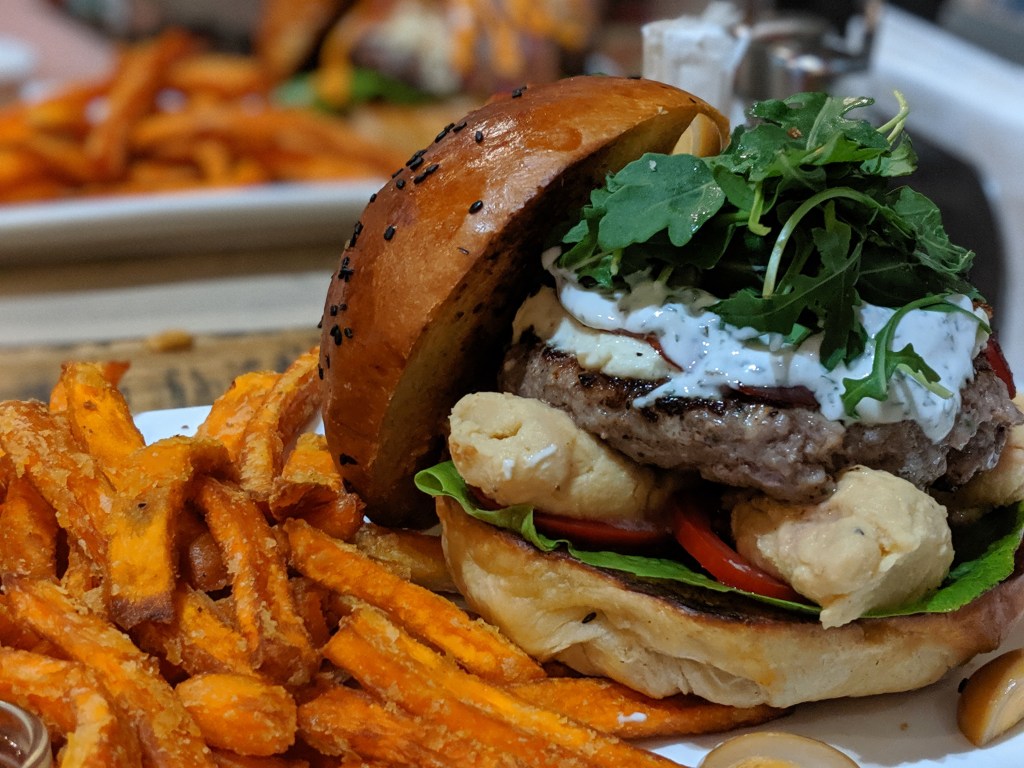
A different friend also suggested we try out an award-winning burger joint he’d tried a while back. We had stumbled upon an interesting looking food market and were tempted, especially because we normally try to have more locally traditional food when we are in a different country, but in the end our craving for burgers won out. The Tuning Bar & Burger certainly did not disappoint – one of the best burgers I’ve ever had AND great kumara (sweet potato) fries! Win!

I can definitely see why Budapest is so high up on the list of many people with whom we’ve talked. It has a lot going on and a lot going for it. And I’m always a bit weak in the knees for a city with good architecture.
 The Land Cruisers