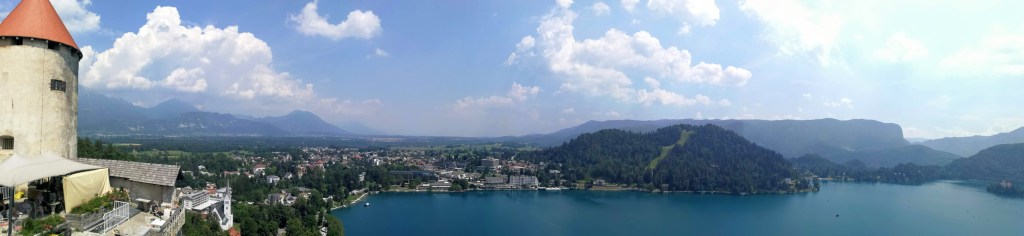
The Fairytale Land that is Lake Bled

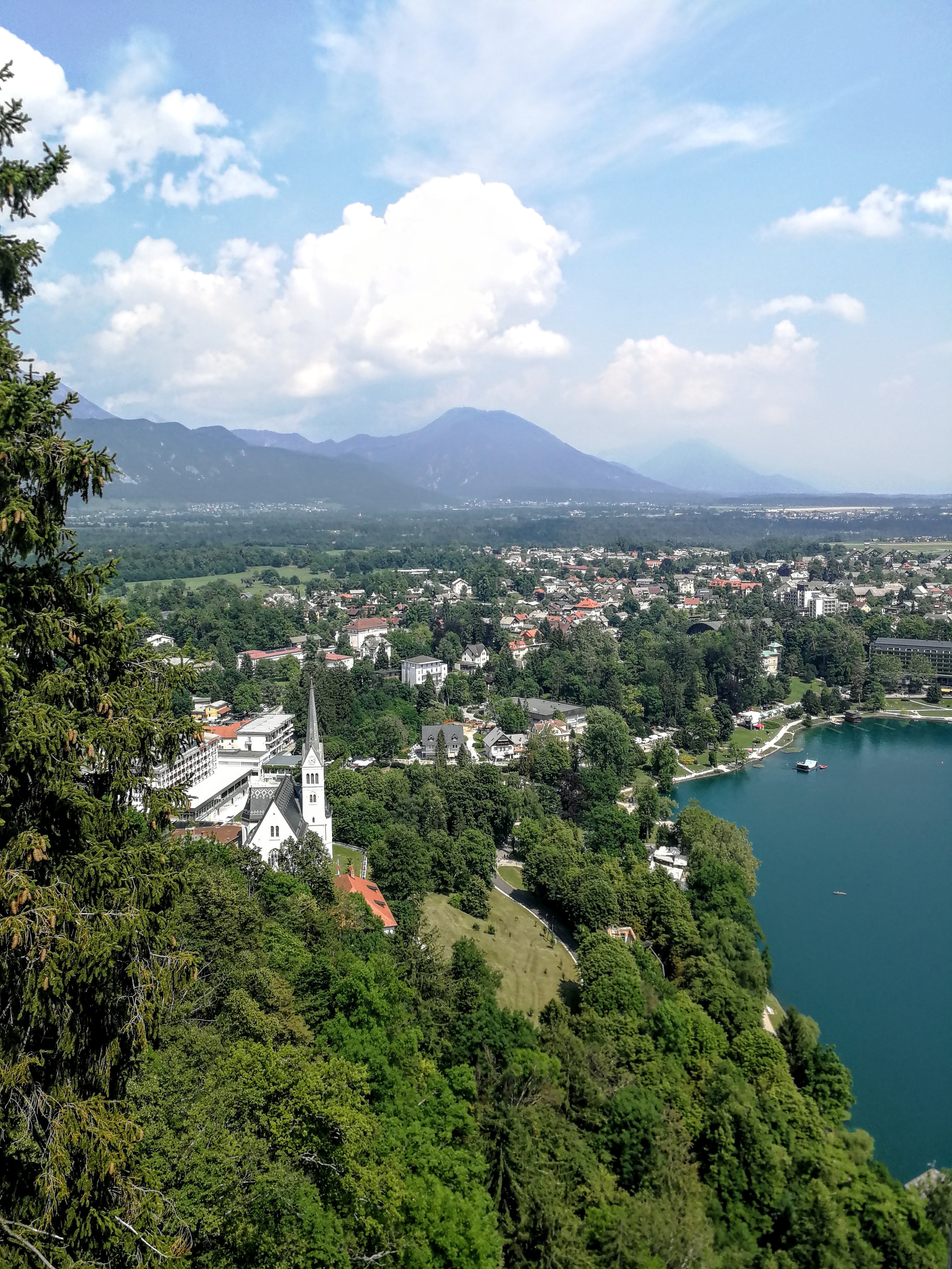
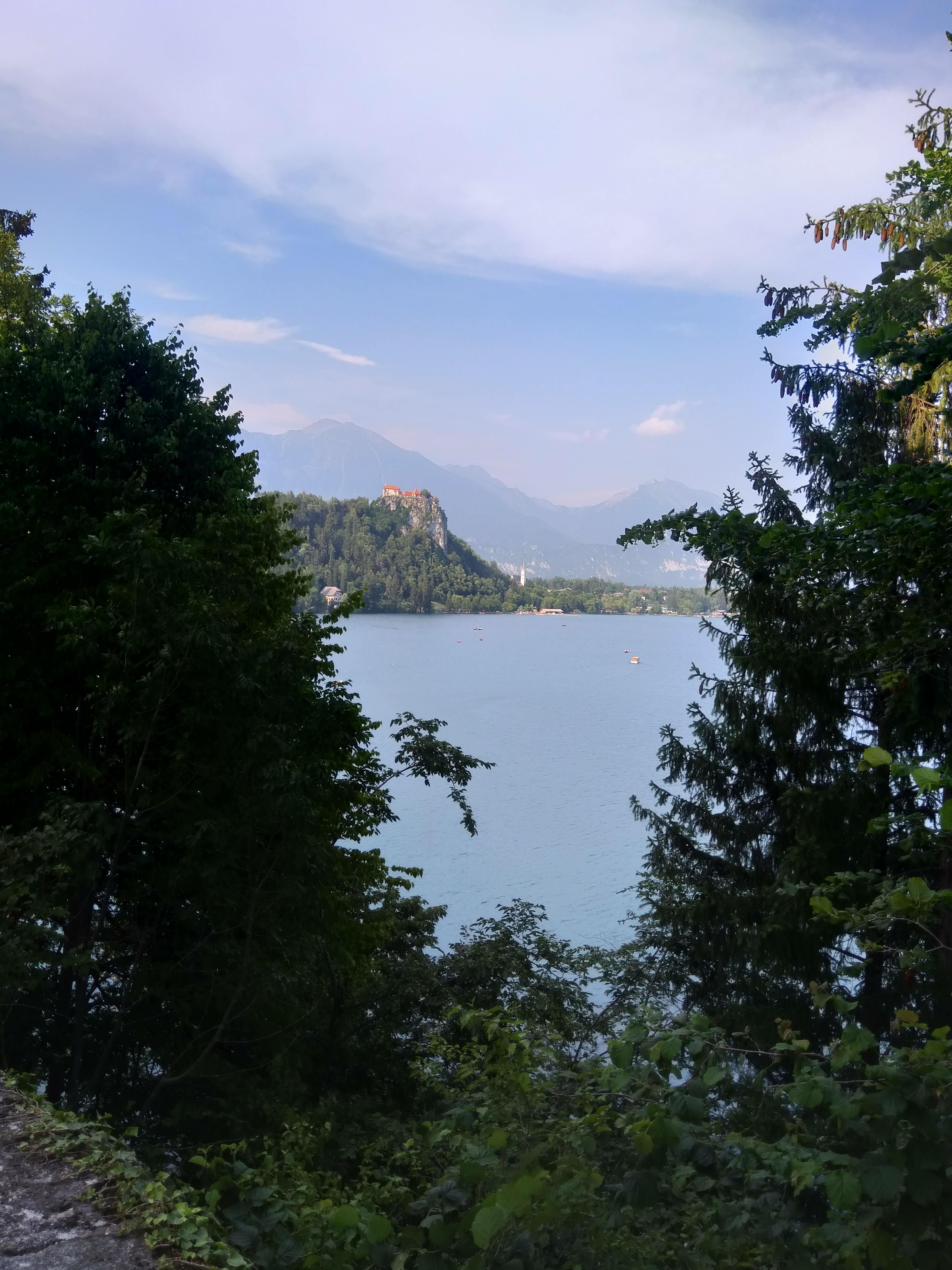
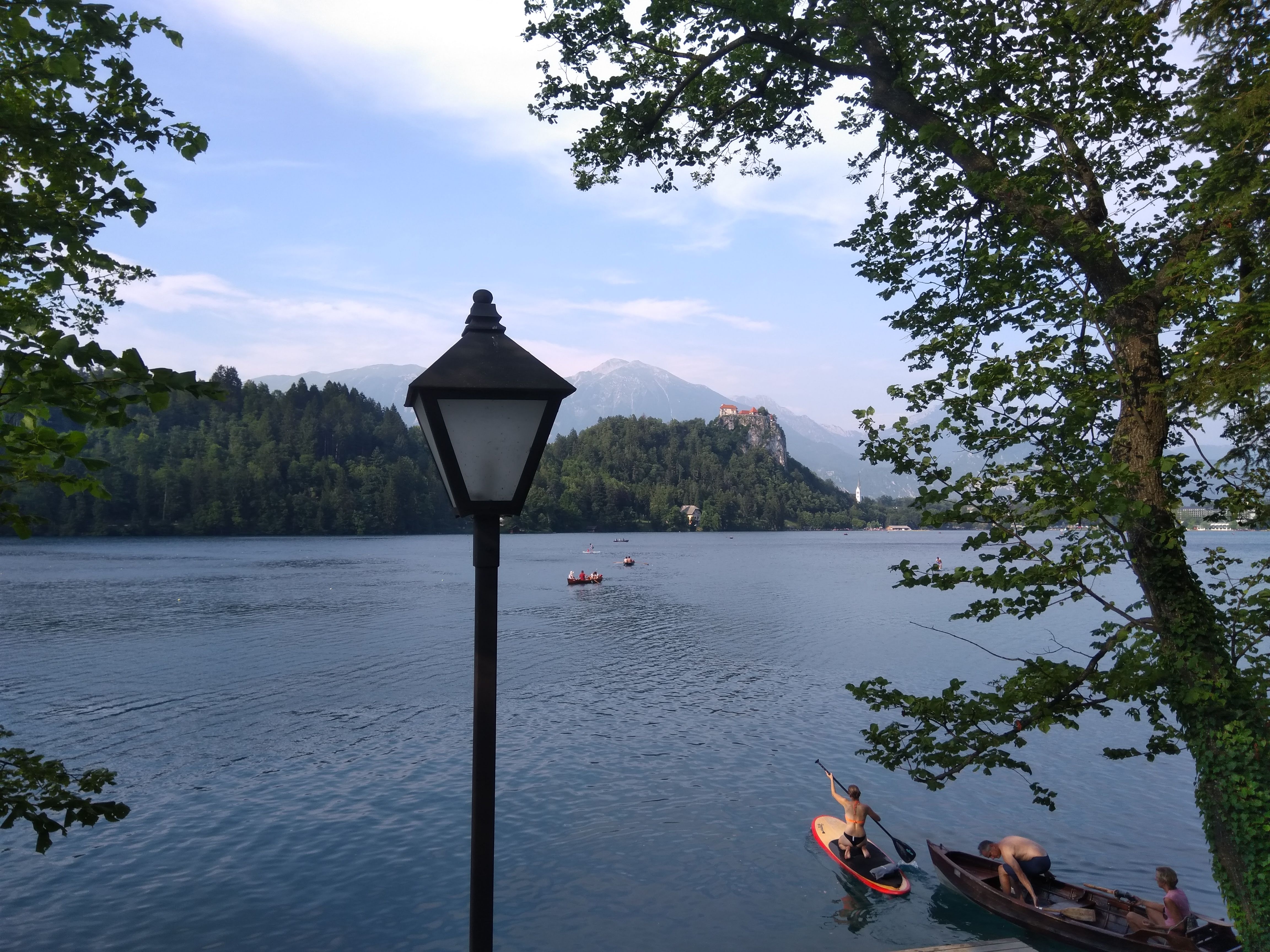
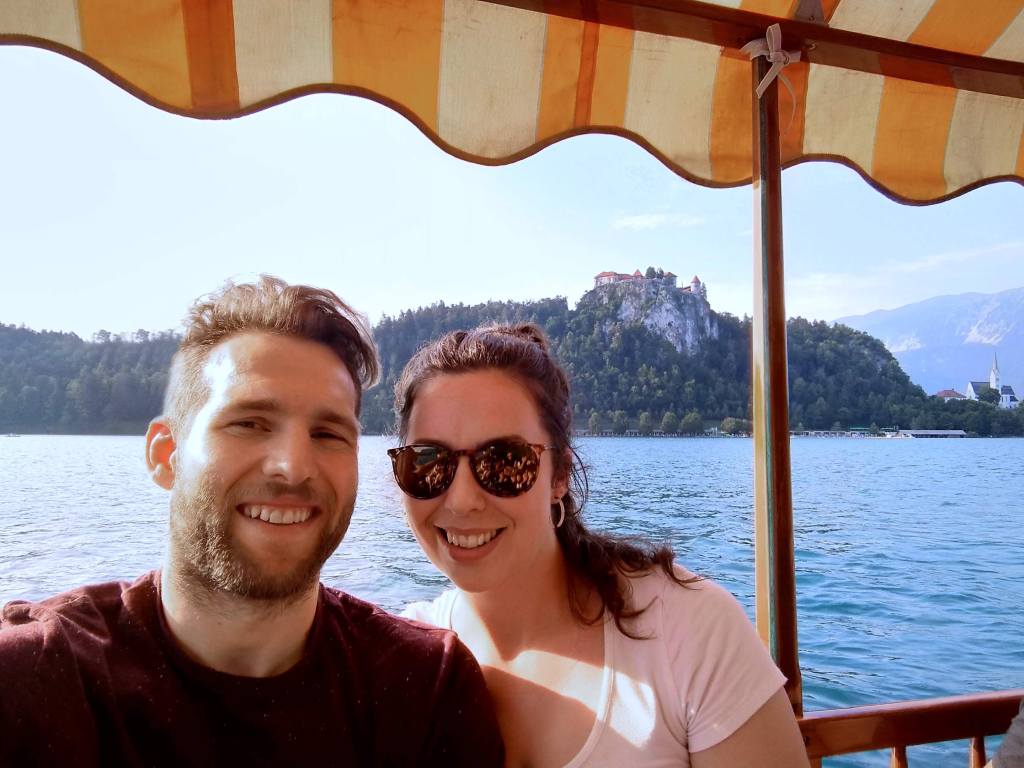
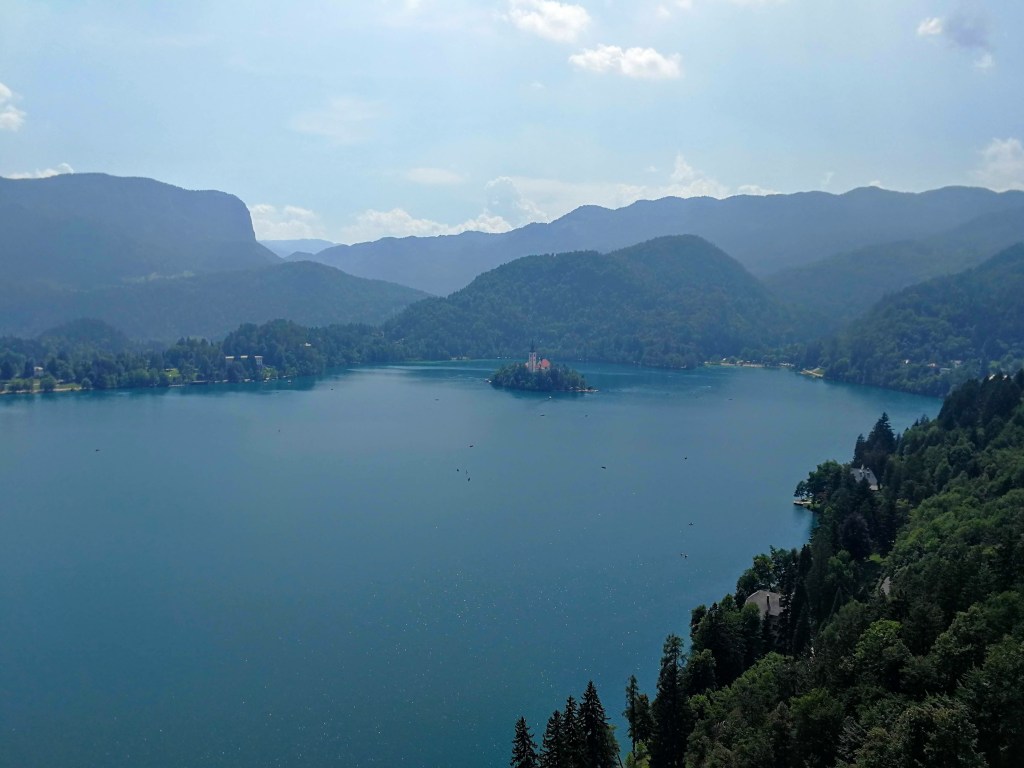
One of the most famous locations that Slovenia has to offer is the breath-taking Lake Bled. Many people who visit the country make this their only stop (though I would argue that, as lovely as Bled is, there is far more to see!). Old folklore tells of how the small island in the middle of a crystal blue lake came to be – apparently fairies used to dance in this valley when it was just grass. When shepherds let their sheep graze there and refused to move them, the land became dry and barren. As punishment, the fairies flooded the area, creating a lake and an island in the middle, where they could continue to dance every night in peace.
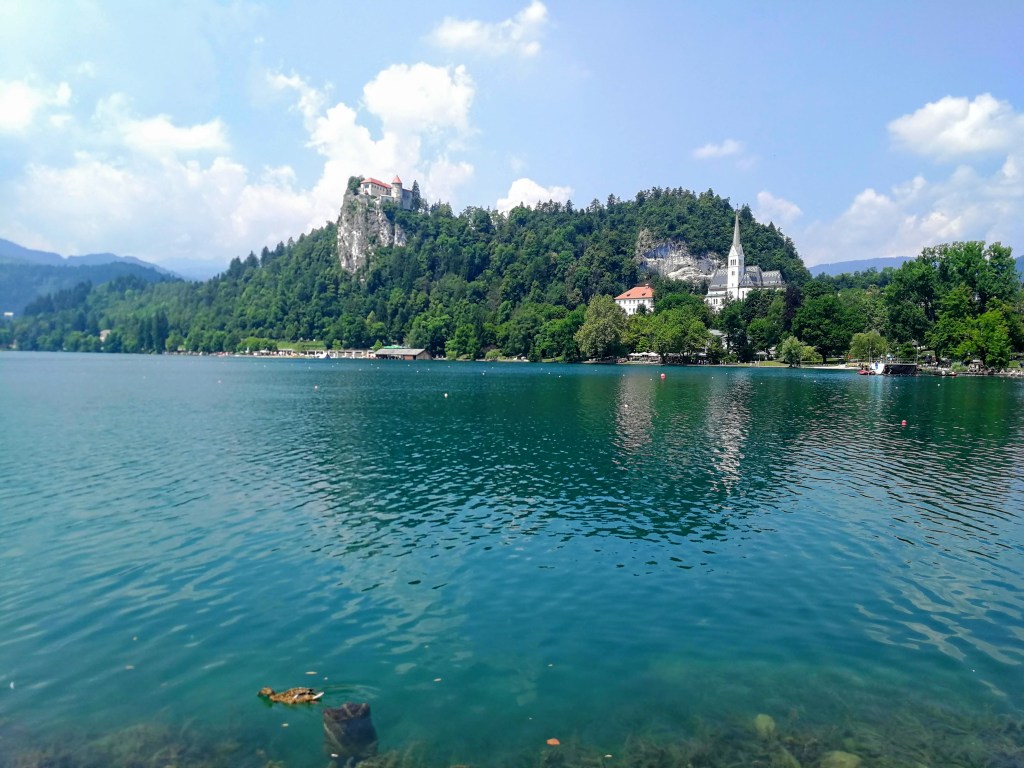
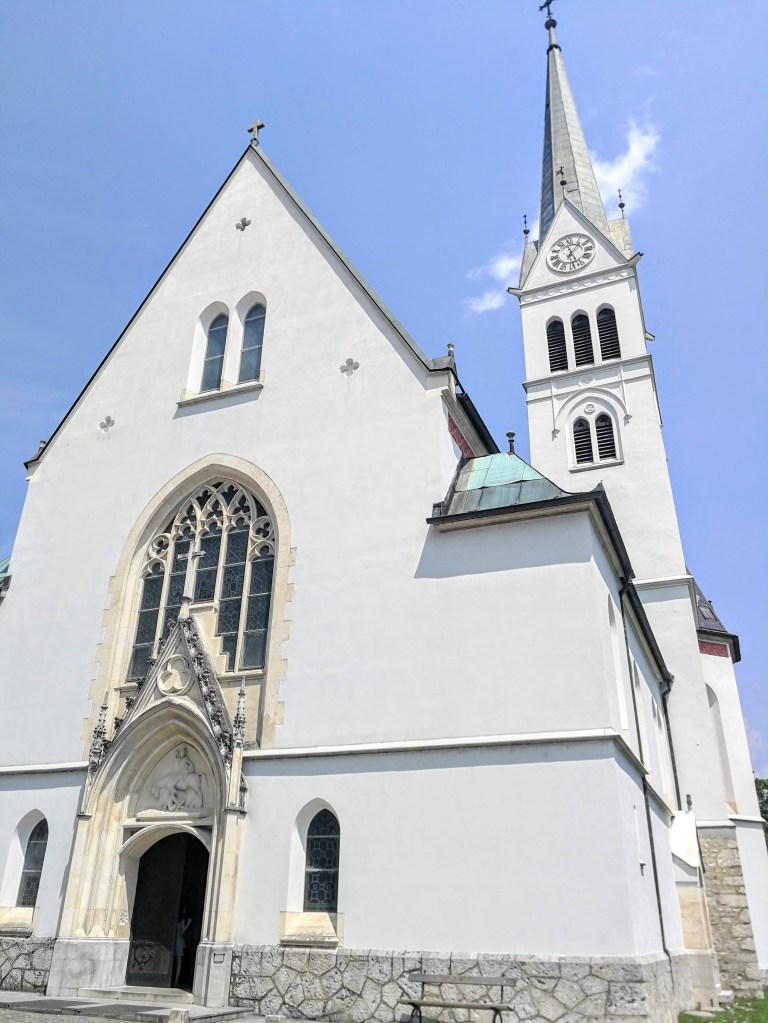
The main street in the nearby township is very charming, with an almost “Swiss chalet” vibe. Knowing how popular this destination is, I was expecting to find it very touristy, but it felt relaxed and peaceful, and as though it hadn’t really “sold-out” to large corporations that could easily overrun the surrounding hills and cash in on the tourism. Apart from one small area of more tacky souvenir shops before the main street, most of the stores are locally-owned boutiques full of handmade or locally-sourced products such as schnapps (pear and blueberry are Slovenian specialties), honeys, and alpine teas made from the flowers and herbs grown on the Bled country/mountainside. When Matt moved back to New Zealand, he brought me back some alpine tea from his recent trip to Lake Bled. I loved it so much and made it last as long as I could, so we knew we needed to revisit the store he bought it from and pick up some more!
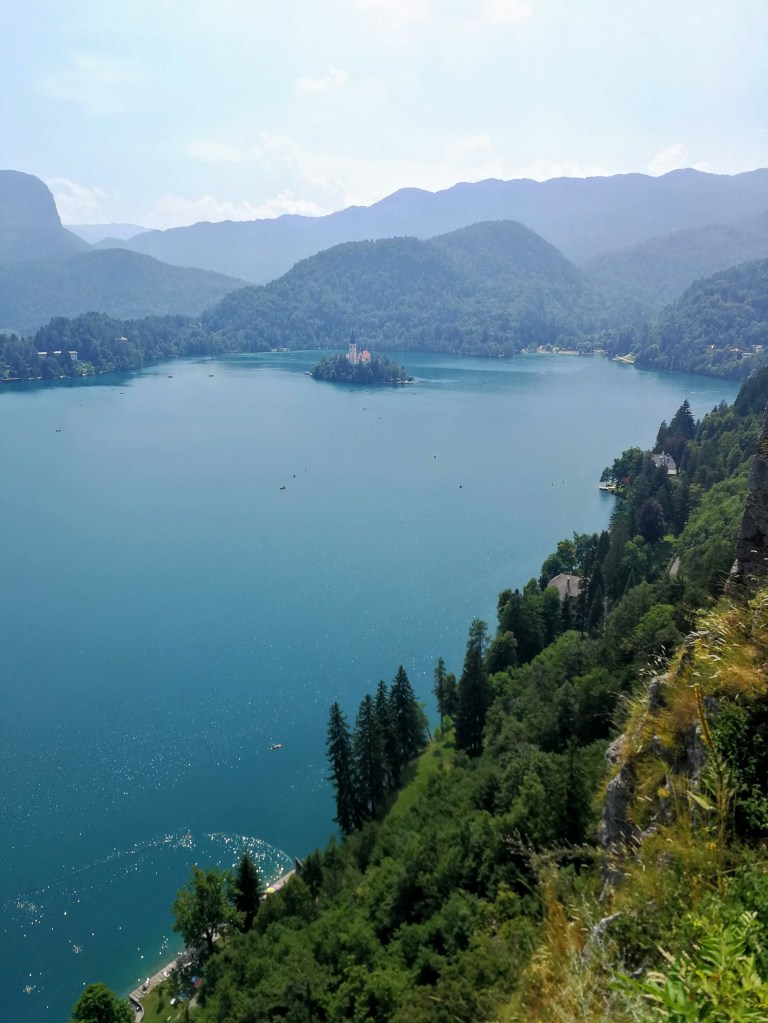
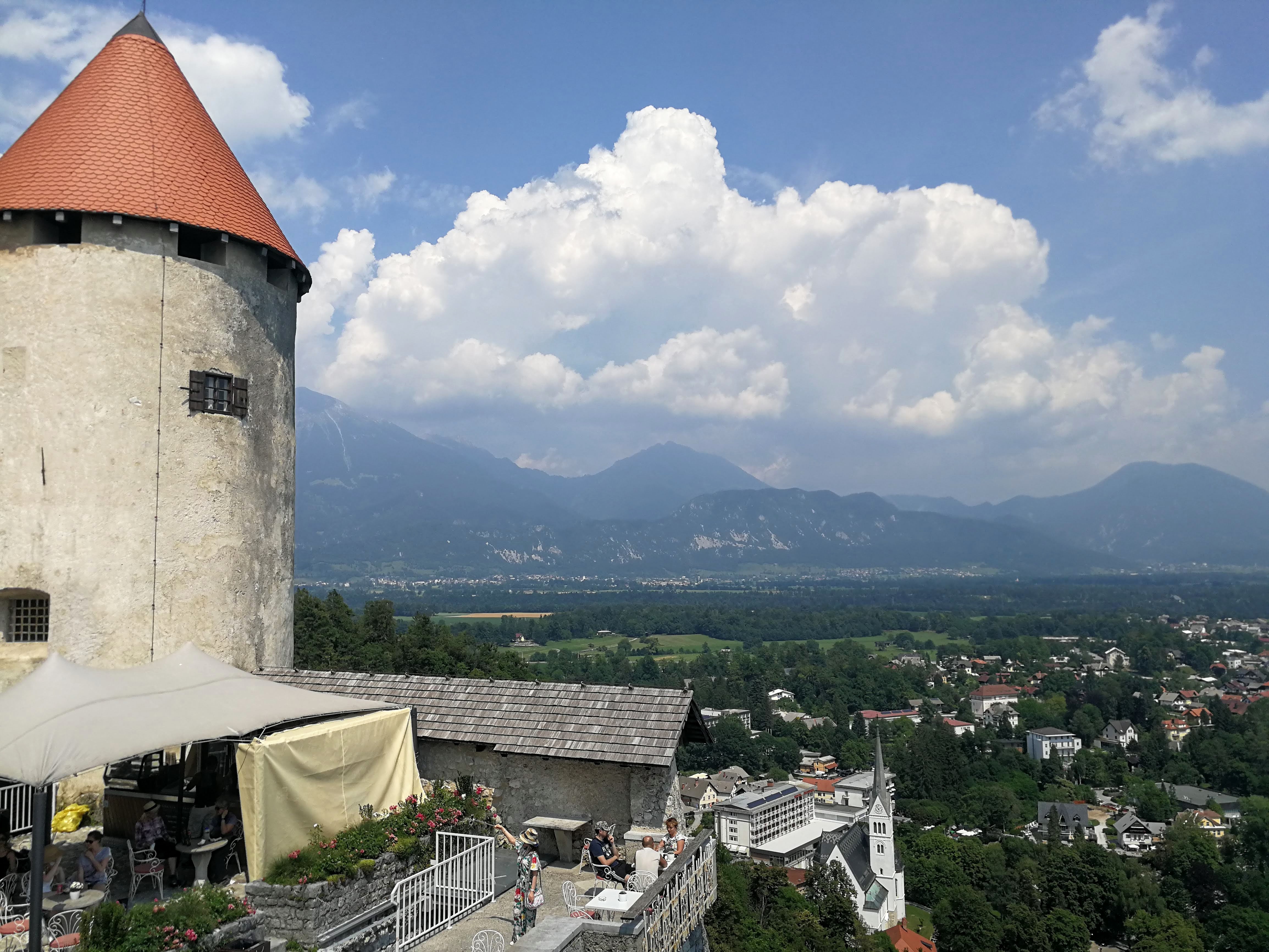
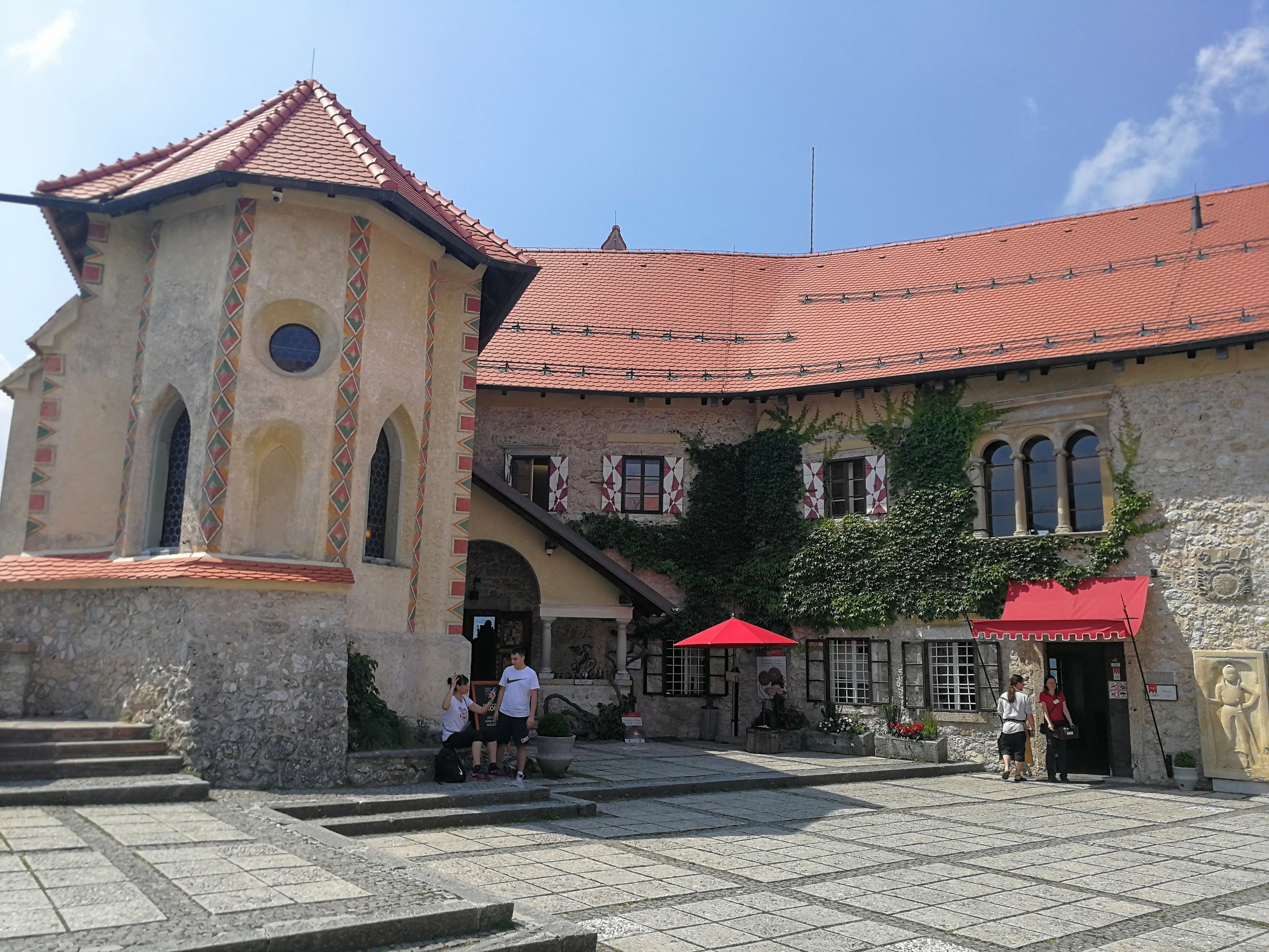
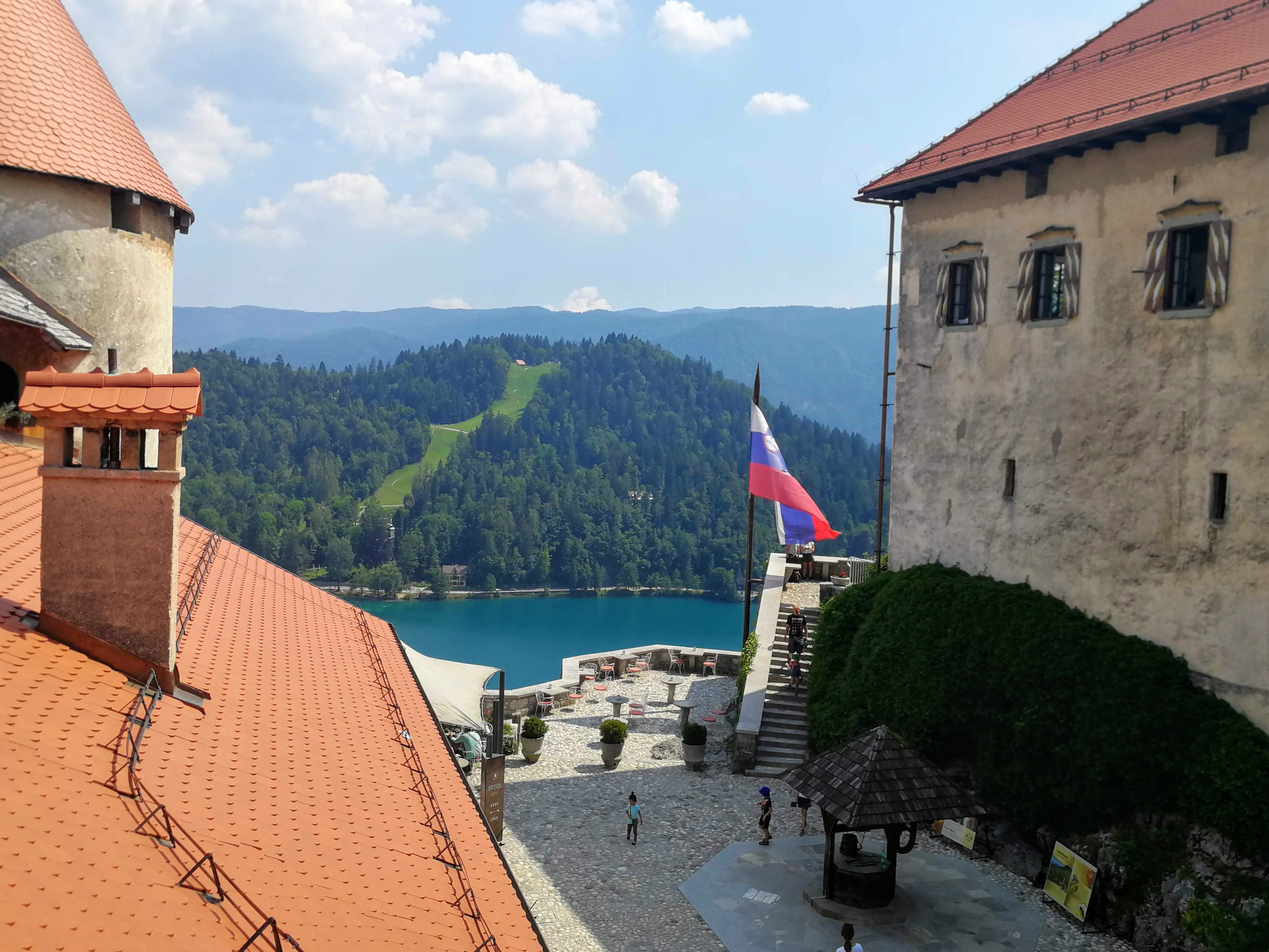
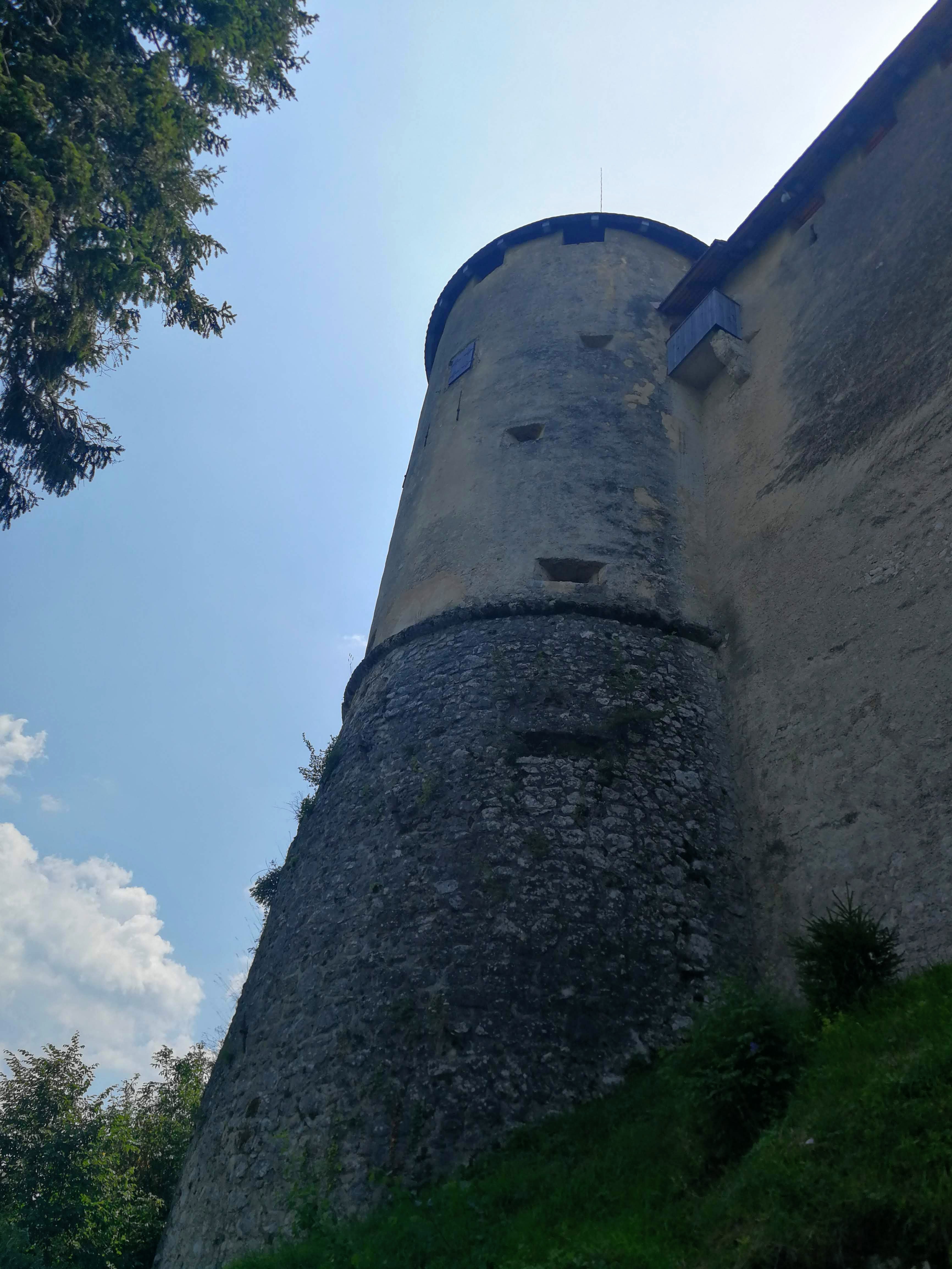
To get a great view, you can walk (or taxi if you’re not keen on walking) to the top of the hill where Bled Castle is perched over-looking the turquoise waters. The castle is the oldest in Slovenia, with first records of it mentioned in 1011. The views are well-worth the walk and you can also enjoy interactive exhibitions of medieval craftsmanship (e.g. a forgery, printing works and wine cellar, etc.) or the restaurant.
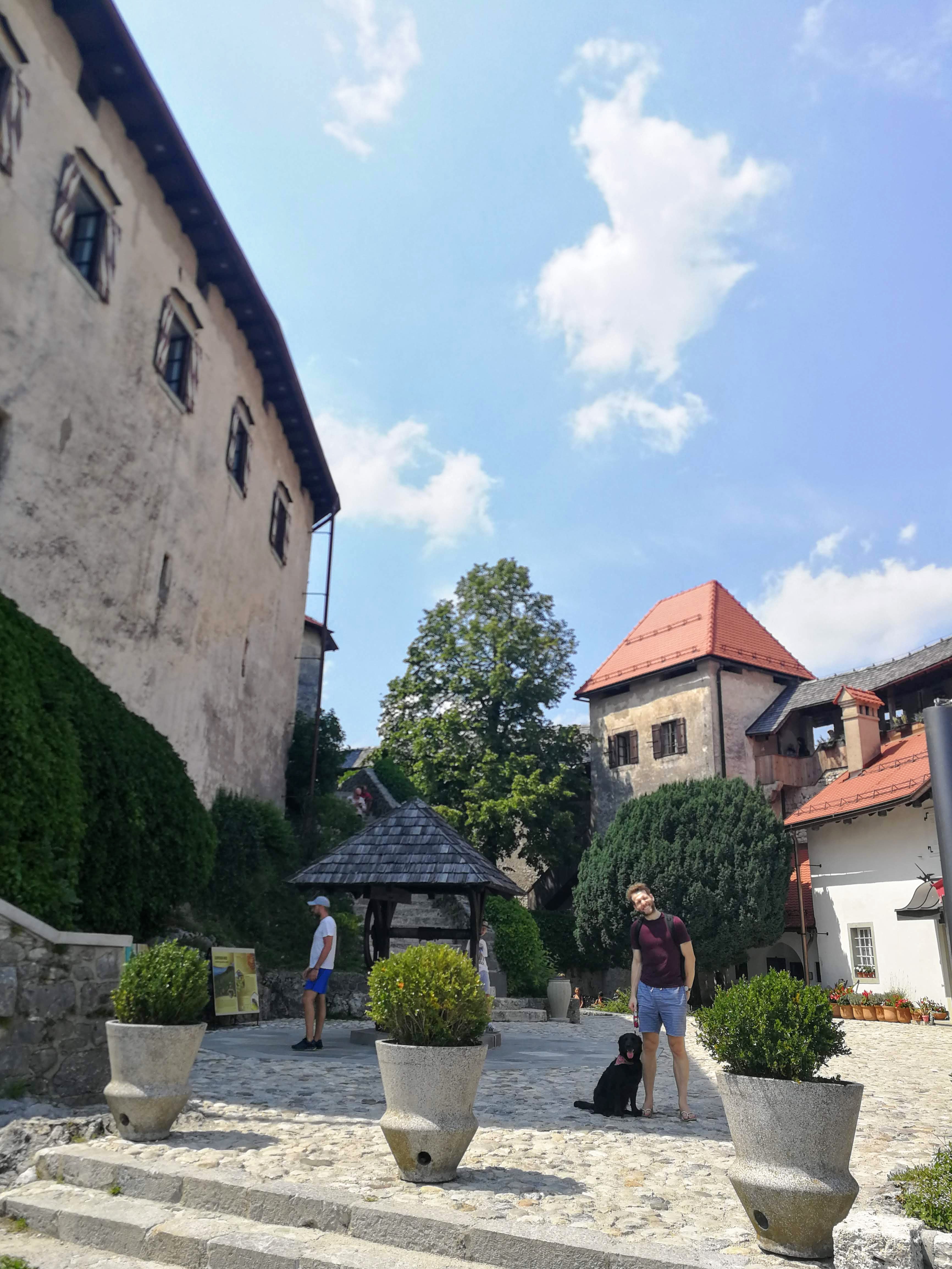
One of our favourite parts was actually just sitting and enjoying the view itself. We meandered around the lake for a good portion of the day and there are plenty of shady trees to sit under or restaurants to eat at right on the lake-side. One thing that every visitor must try is the famous Kremšnita cake (also known as Kremna Rezina). Although originally Croatian, the recipe was made famous in Bled by the former pastry chef at the Hotel Park Cafe. This is THE place to try the sweet pastry treat, though many cafes and restaurants will also serve their version of it also.
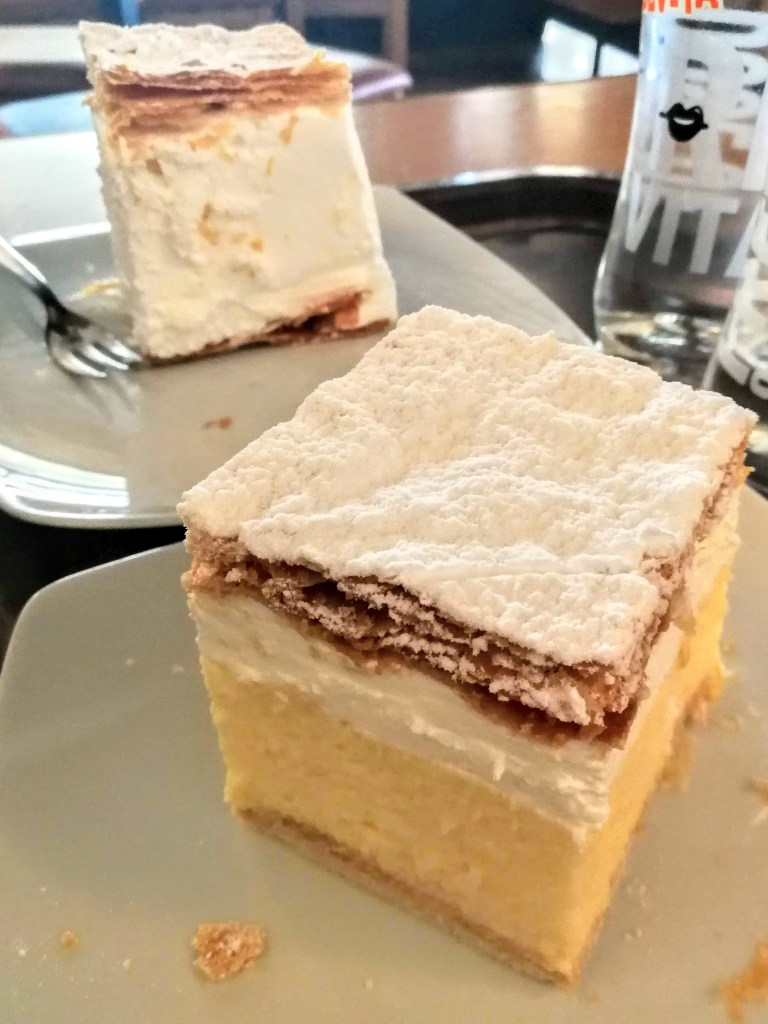
Kremšnita is made from puff pastry, chantilly and custard cream.

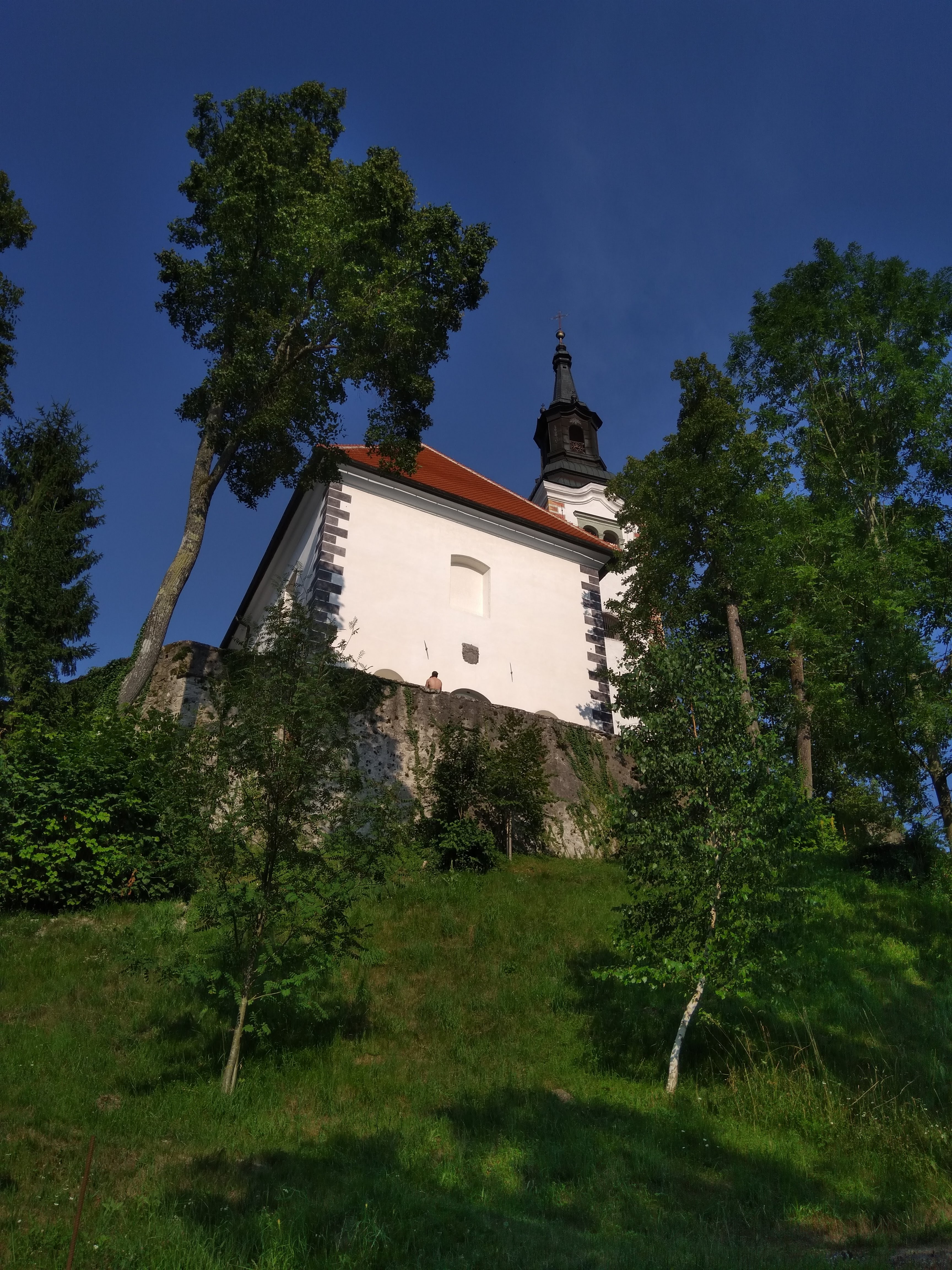
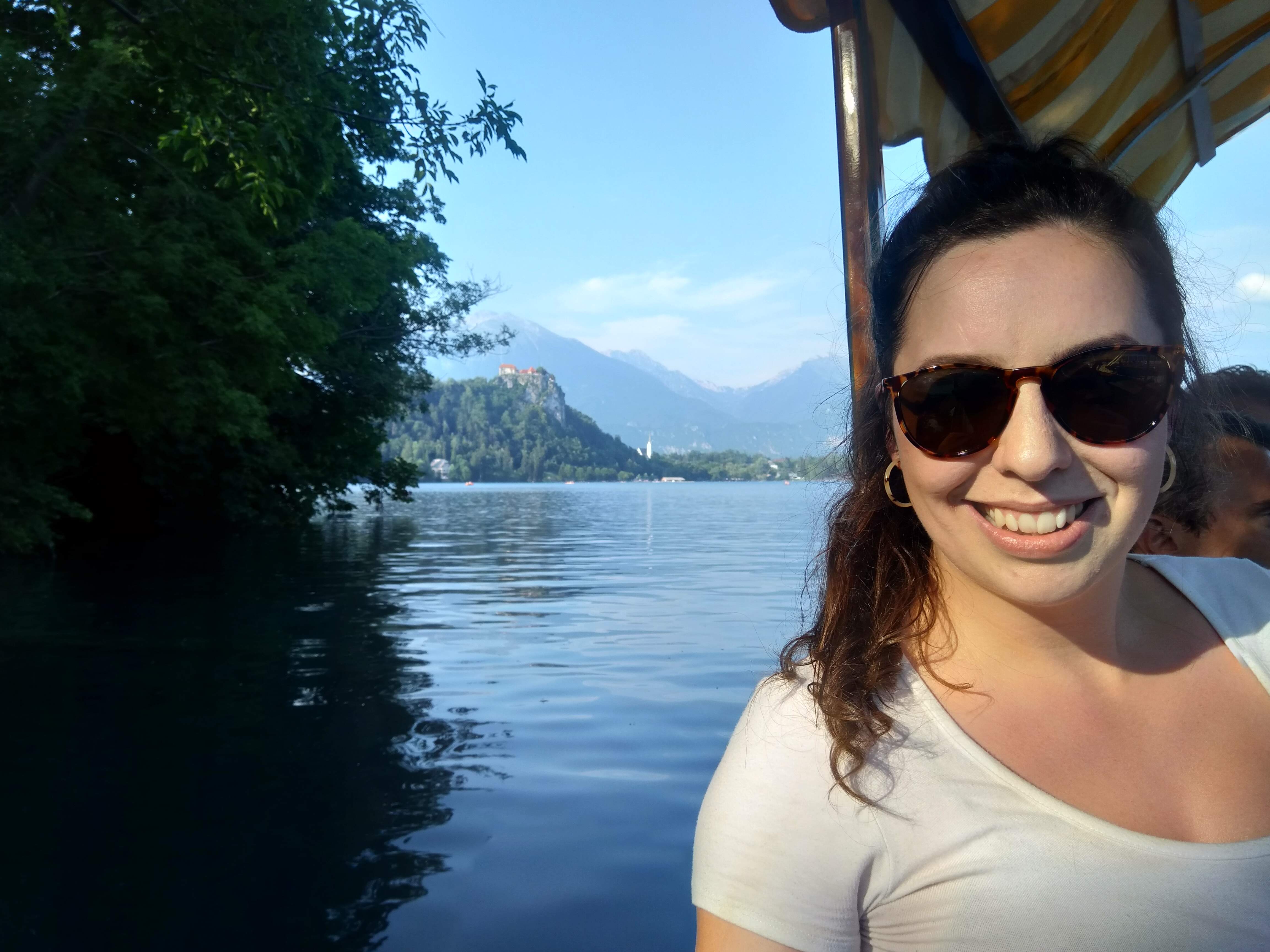
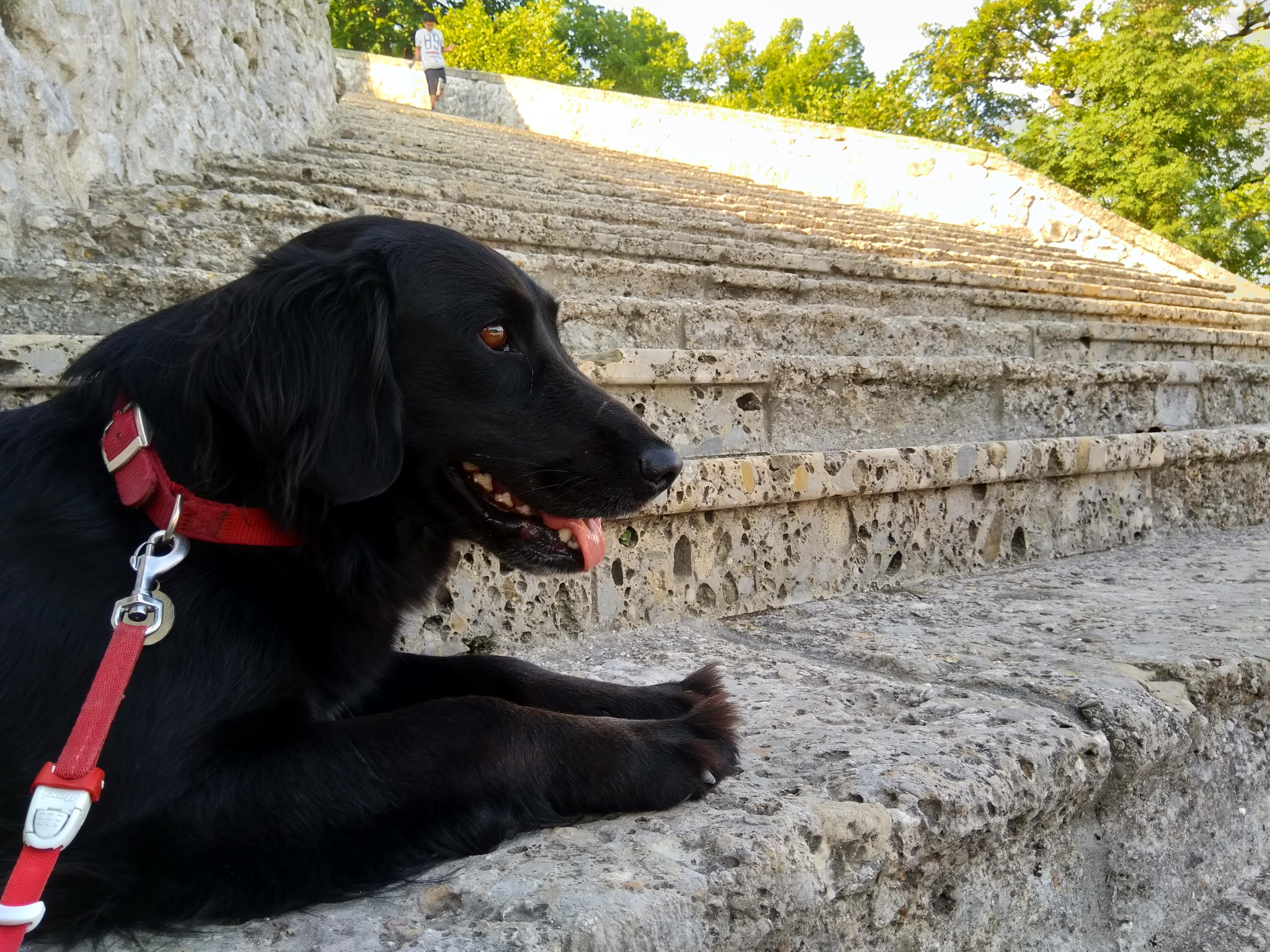
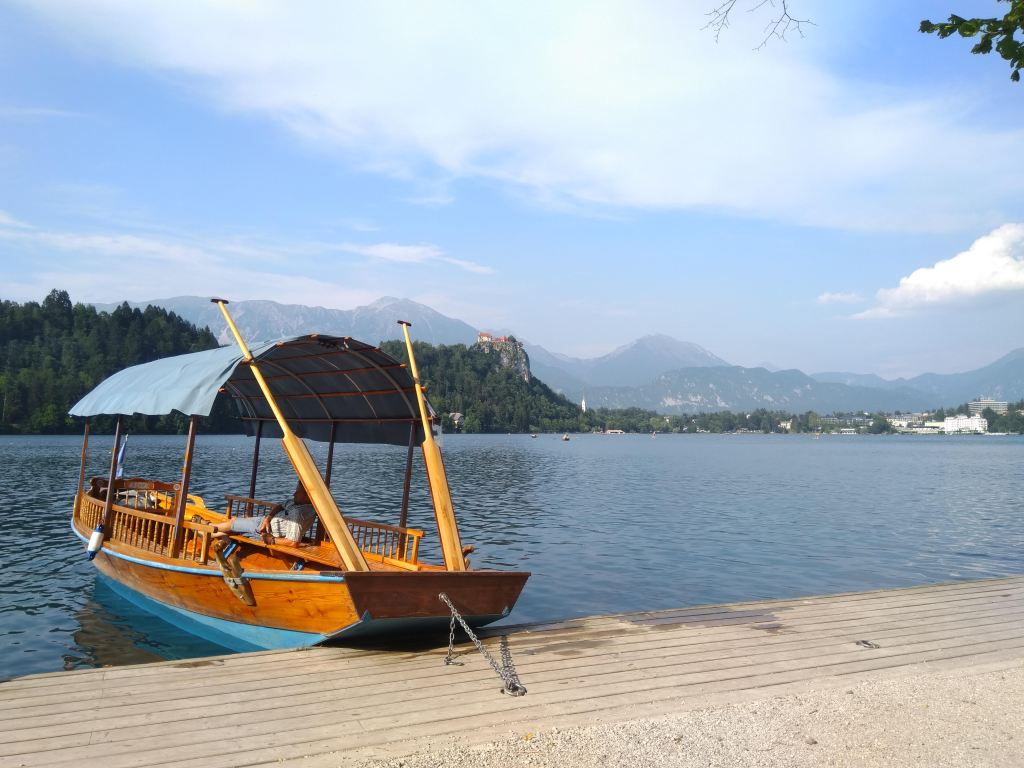
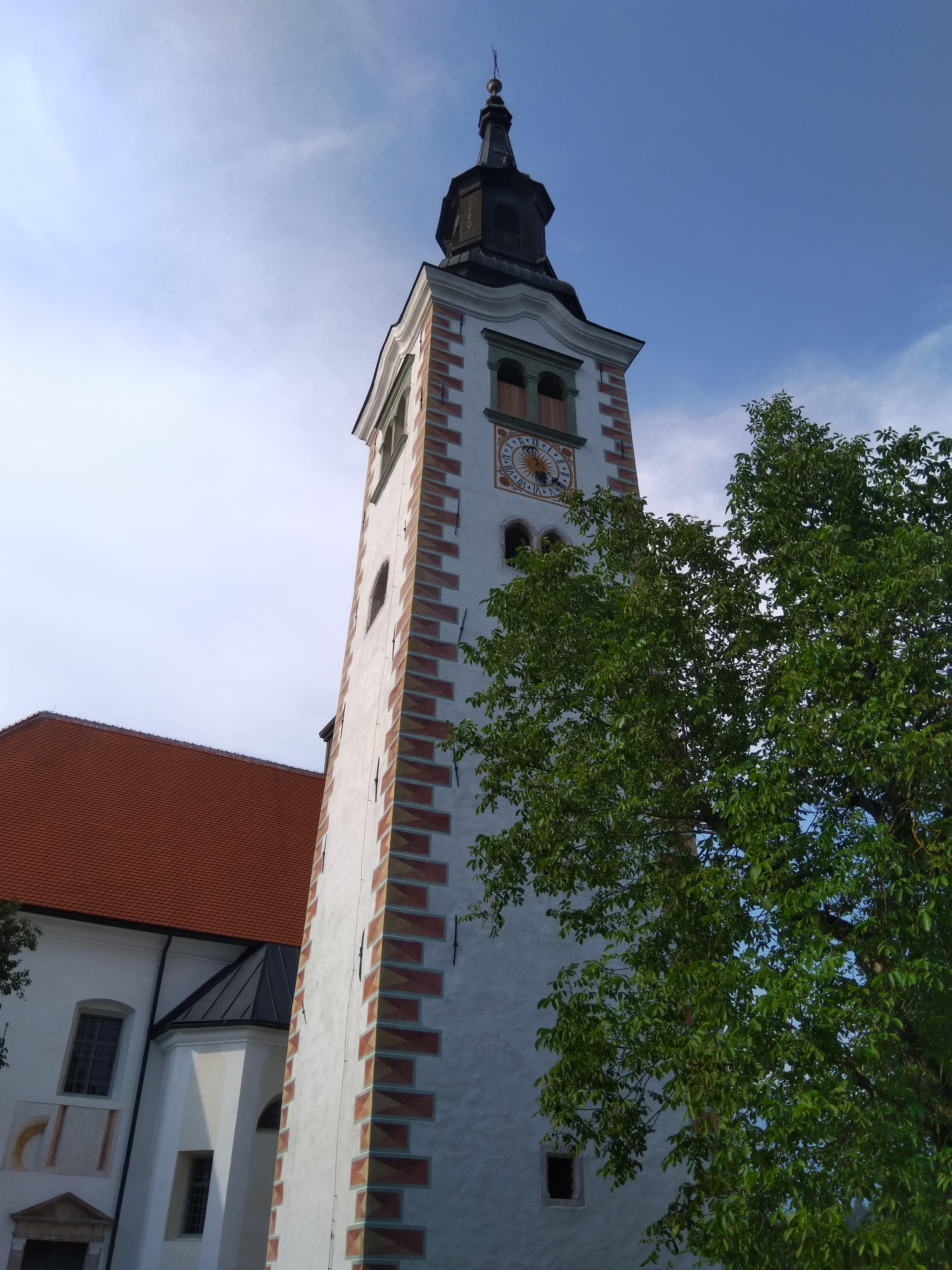
Traditional boats, known as pletnas, make the trip back and forth between the mainland and the island throughout the day (up until about 5 or 6pm. They’re also dog-friendly!). Personally, we found the actual boat trip itself, and the view from it, more exciting than the island. It is small and can be circumnavigated within about 10mins, though walking at a leisurely pace and stopping at the picturesque views is more pleasant. Despite the “no swimming” signs, many swim and take kayaks out to and from the island. It was lovely to sit on the jetty, dip our toes in the cool water and savour the tranquility of the landscape Apart from a few small buildings (for the chaplain and the provost), the small chapel is the main symbol of the island. The Church of the Mother of God on the Lake can be entered and its bell tower climbed for a small entrance fee.
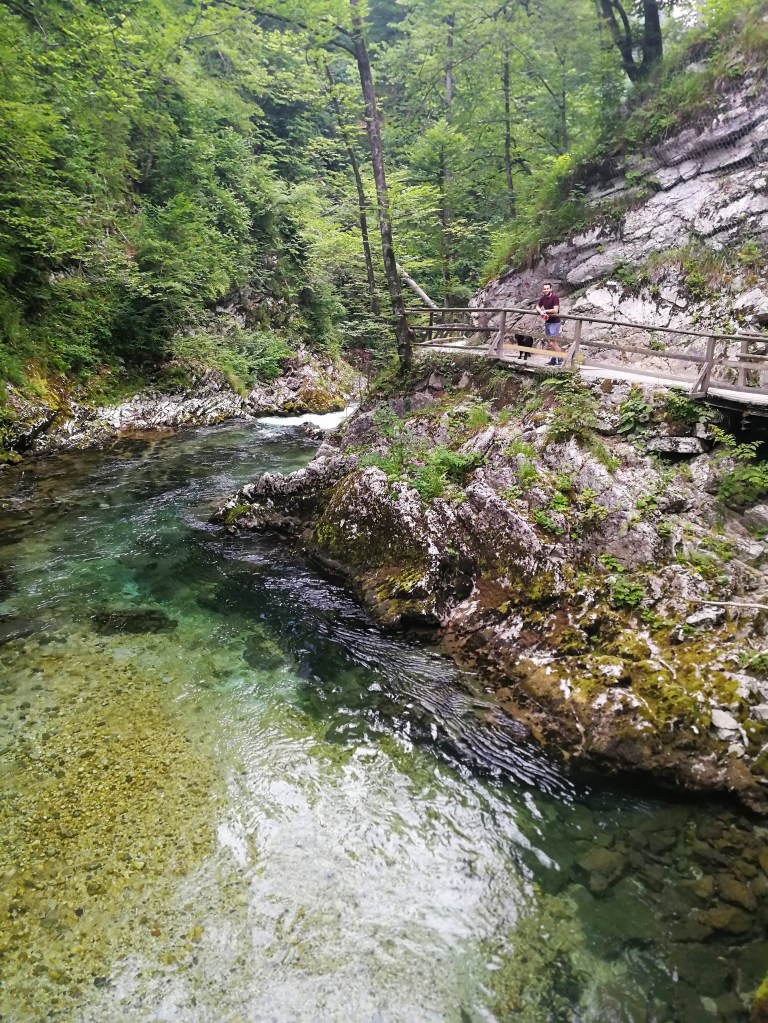
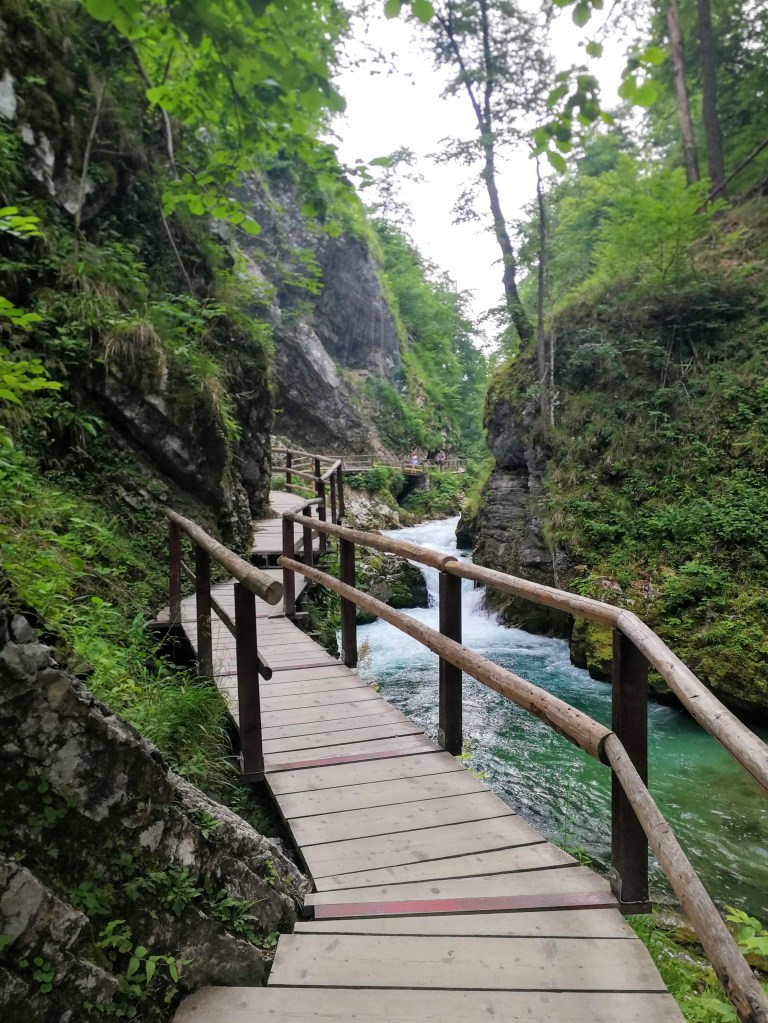
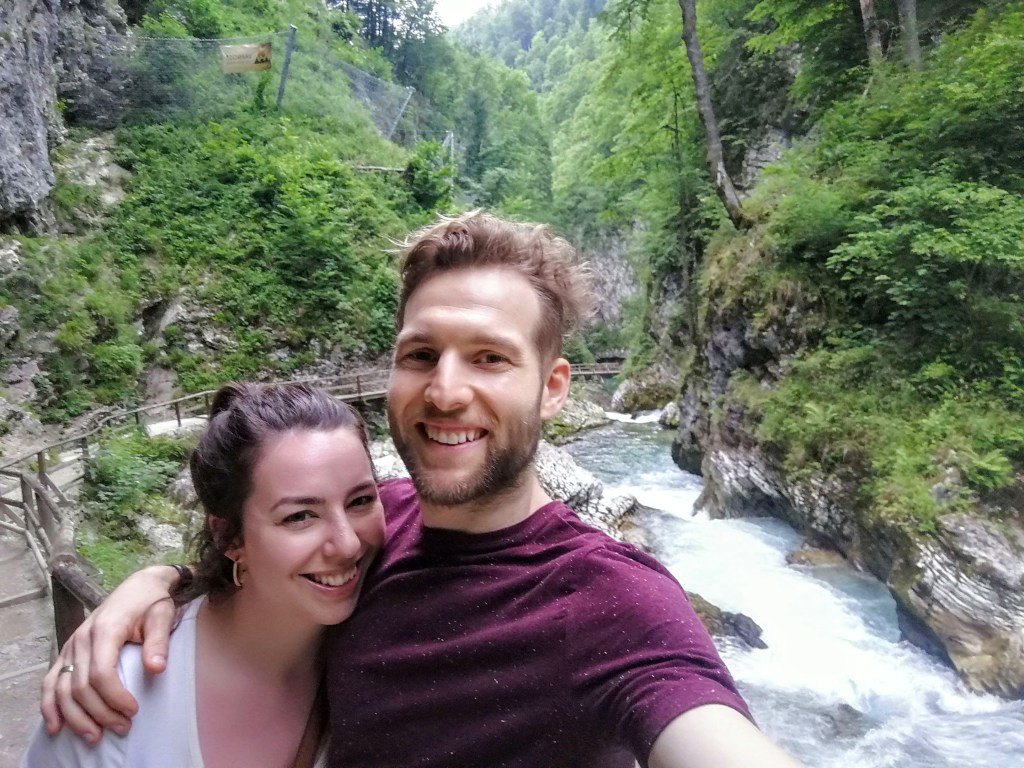
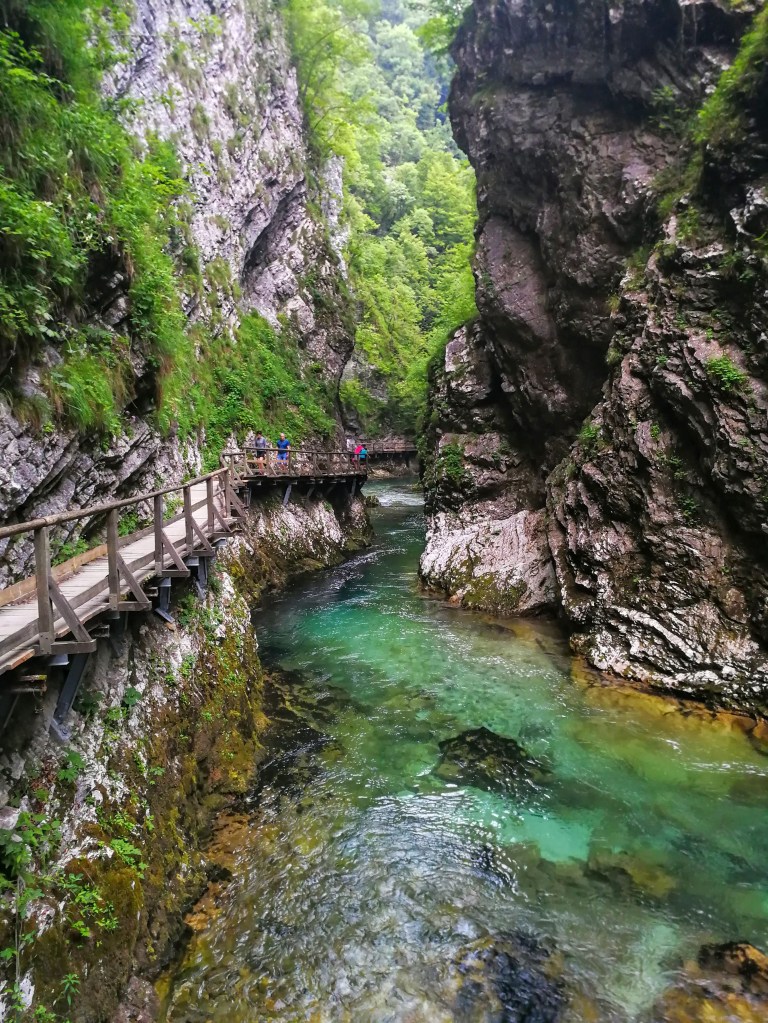
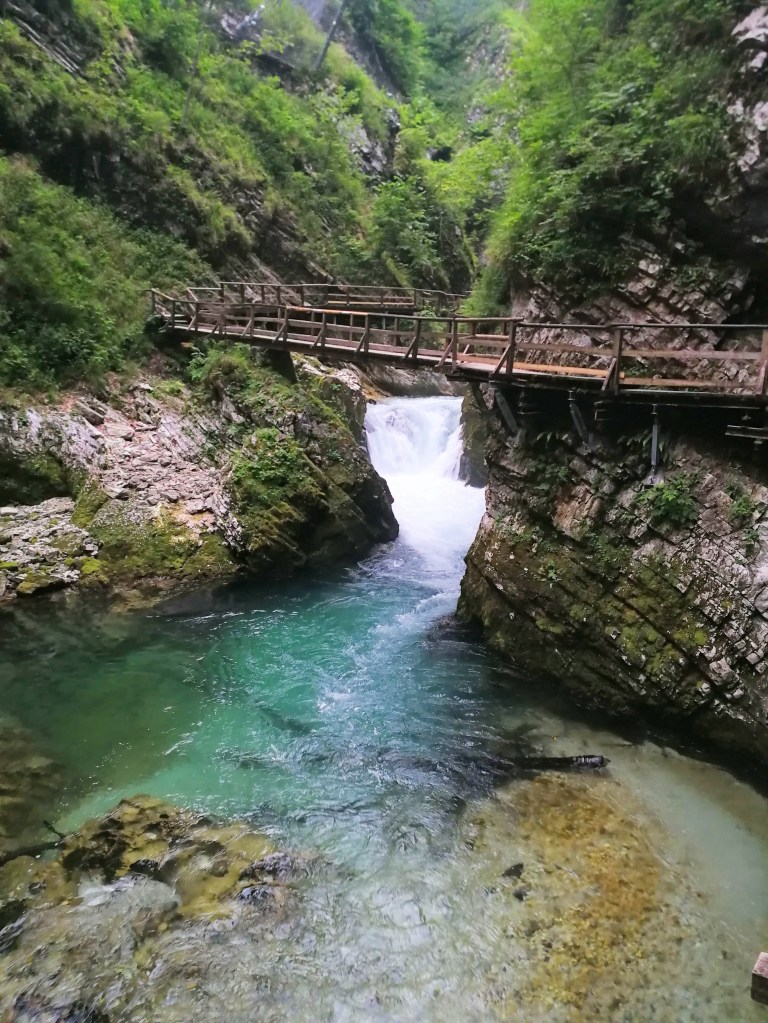
A short drive from Bled is the Soteska Vintgar (Vingtar Gorge). This is absolutely worth the detour. It can get very busy during peak season, however we went near the end of the day, so there weren’t many people around and it was easy to find a park. The gorge follows the Radovna River, which has etched a narrow path into the lush terrain. The walkways usher you back and forth over the river, across bridges and small wooden boardwalk that hang out over the rapids below. I appreciated the fact the most of the infrastructure was wooden, as it felt like it didn’t compromise the view as much as large steel suspension bridges could have. The walk itself is fairly flat and easy. Vingtar Gorge is a magical immersion in nature that is unmissable.
Ljubljana + Predjama

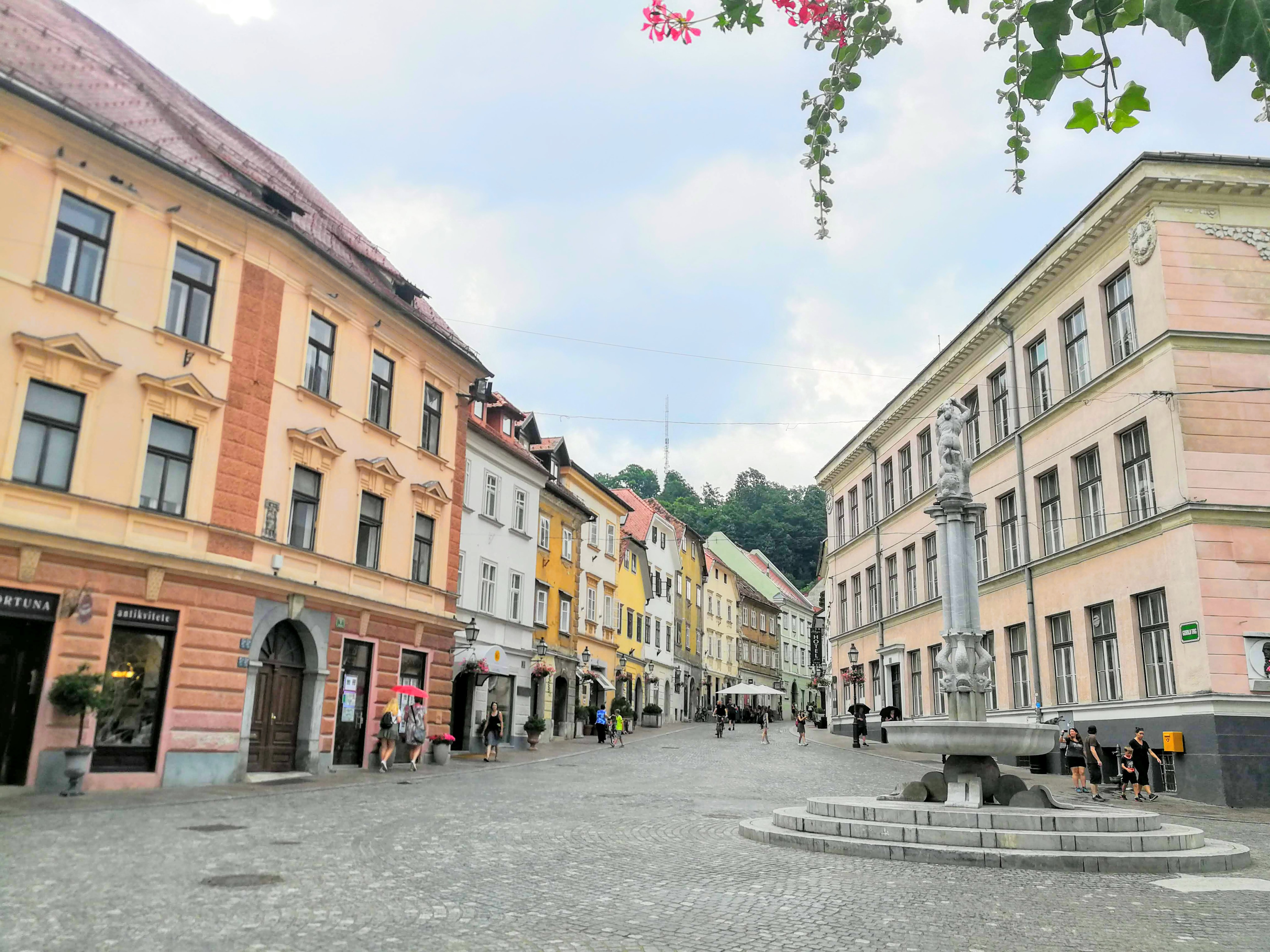
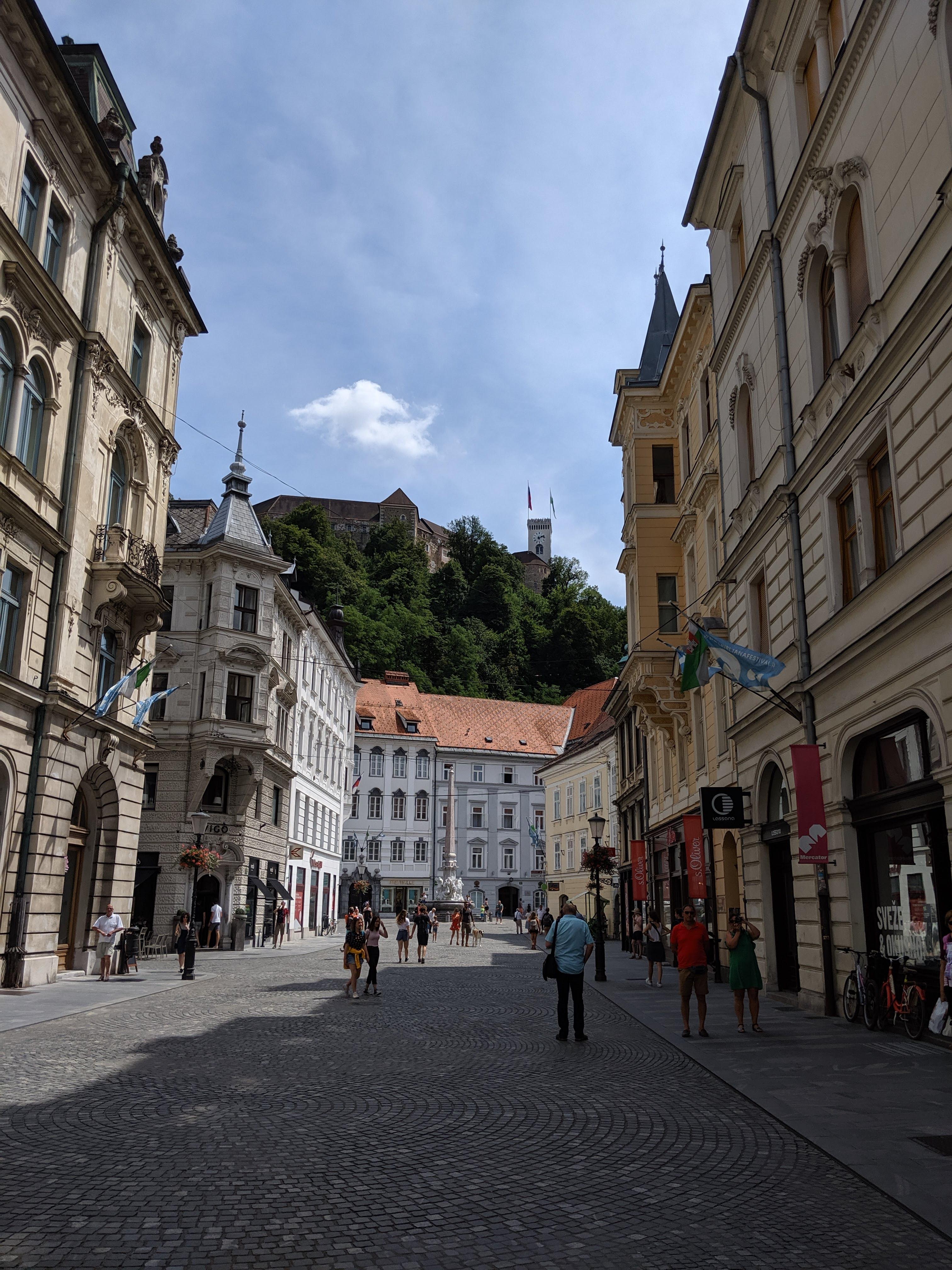
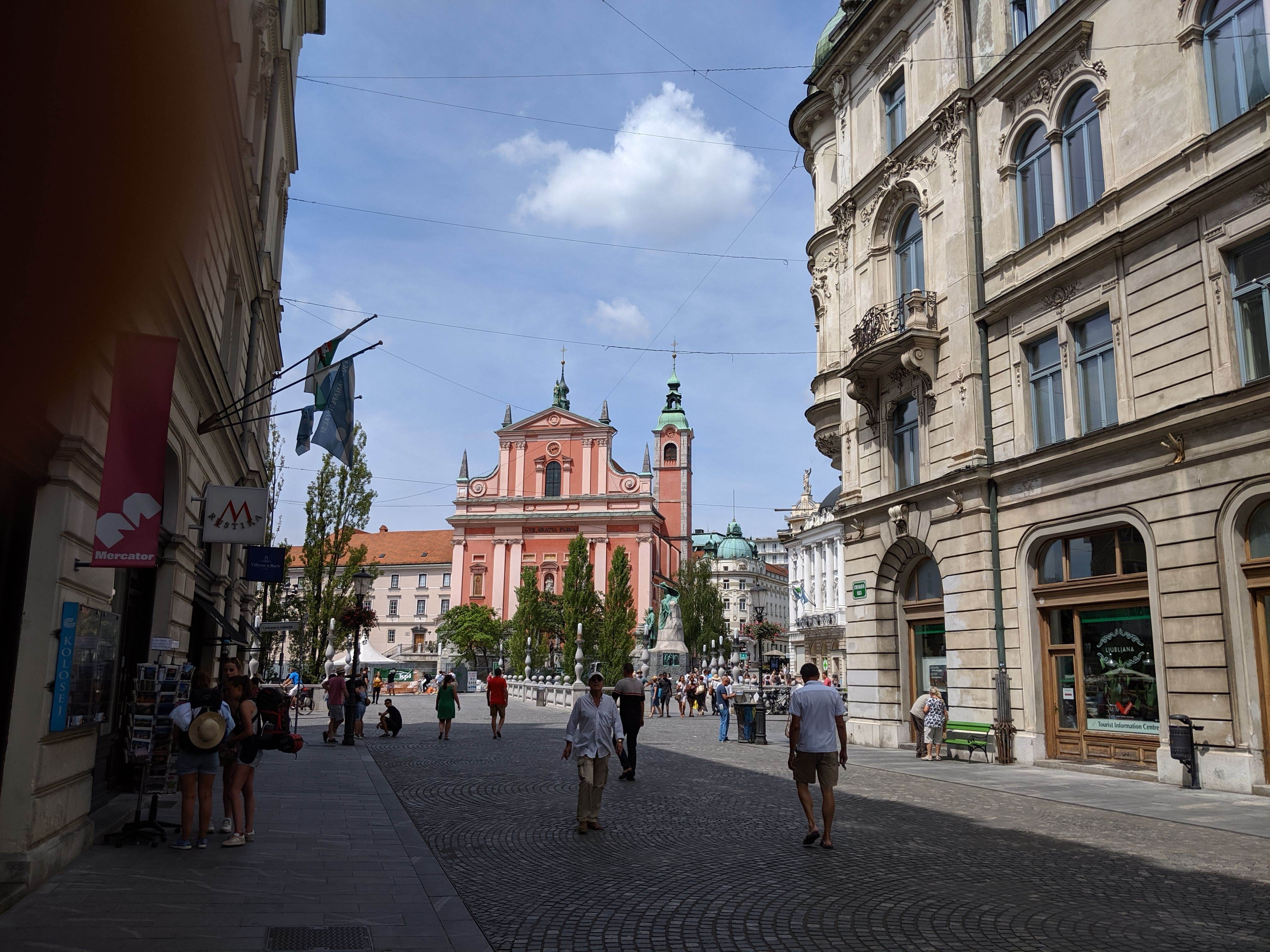
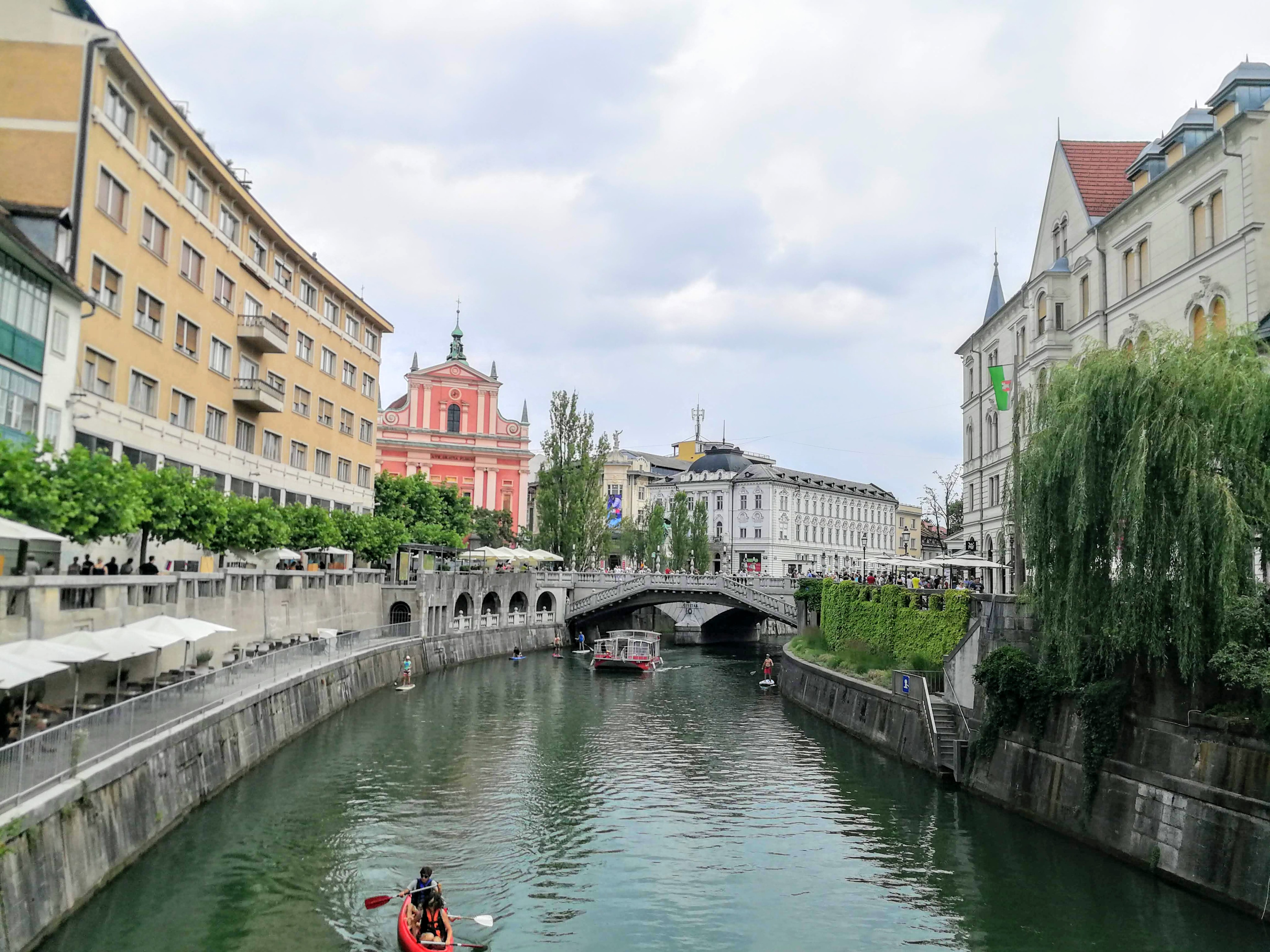
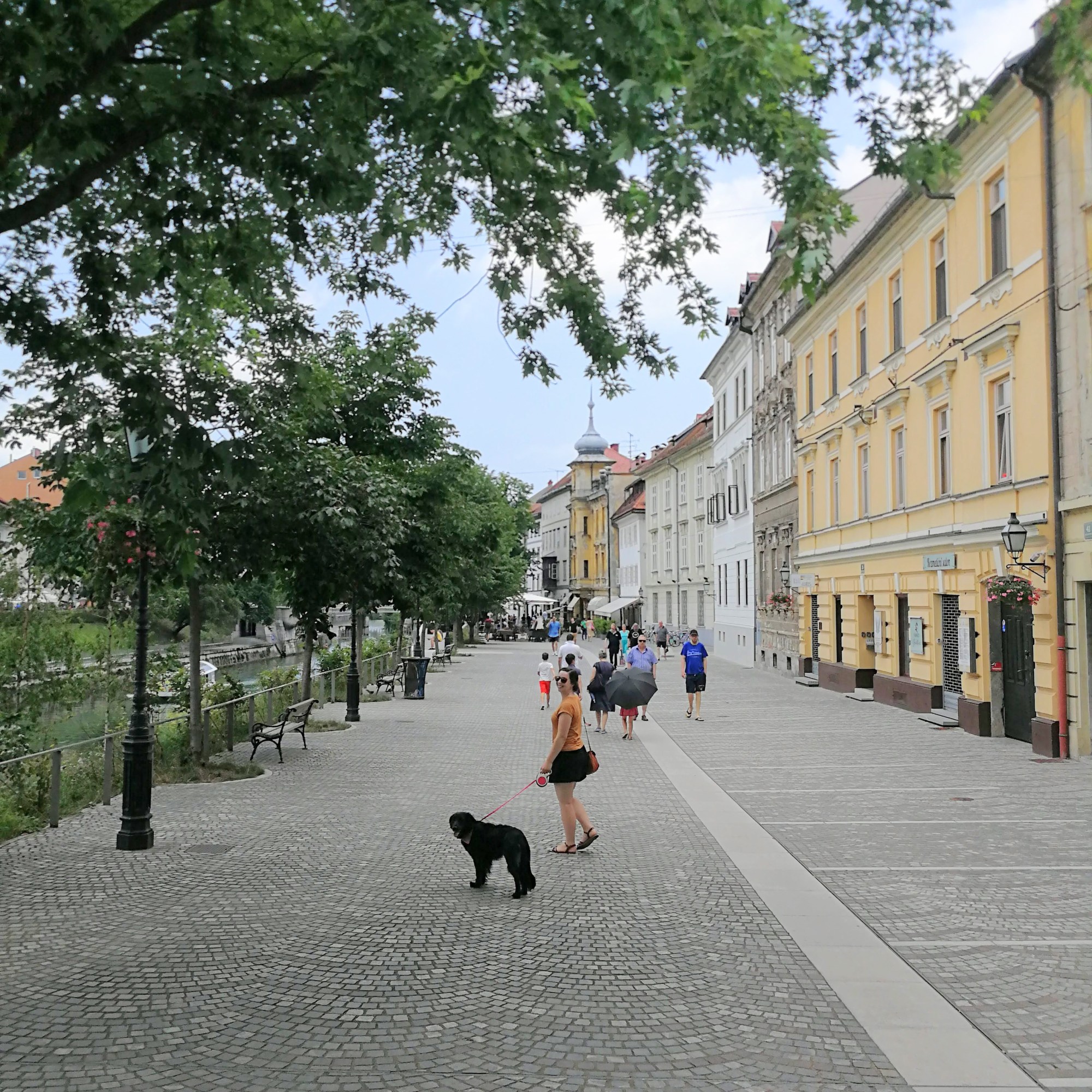
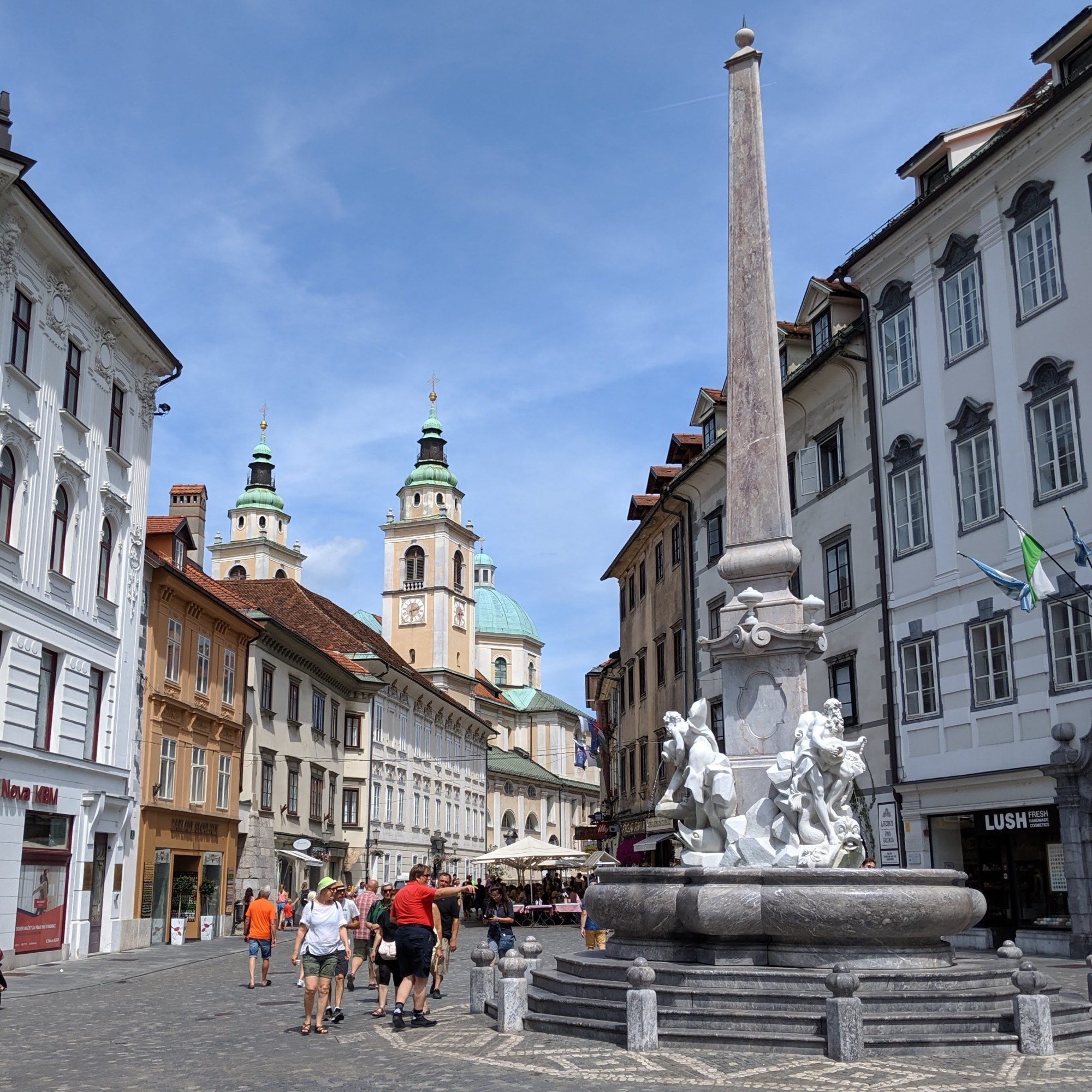
Our first impression of Slovenia’s capital, Ljubljana (“lyoo-BLYAH-nah” is a basic phonetic guide for those curious), was of a quaint city with an idyllic atmosphere. The Ljubljanica River weaves through the “old town” part of the city, where trees and cafes line the bank. It feels like just the right mix of nature with historical architecture with modern conveniences. The people are friendly and seemed to appreciate our poor attempts at speaking Slovenian, but thankfully, almost everyone speaks English, so they are willing to jump in when they realise you aren’t a local.

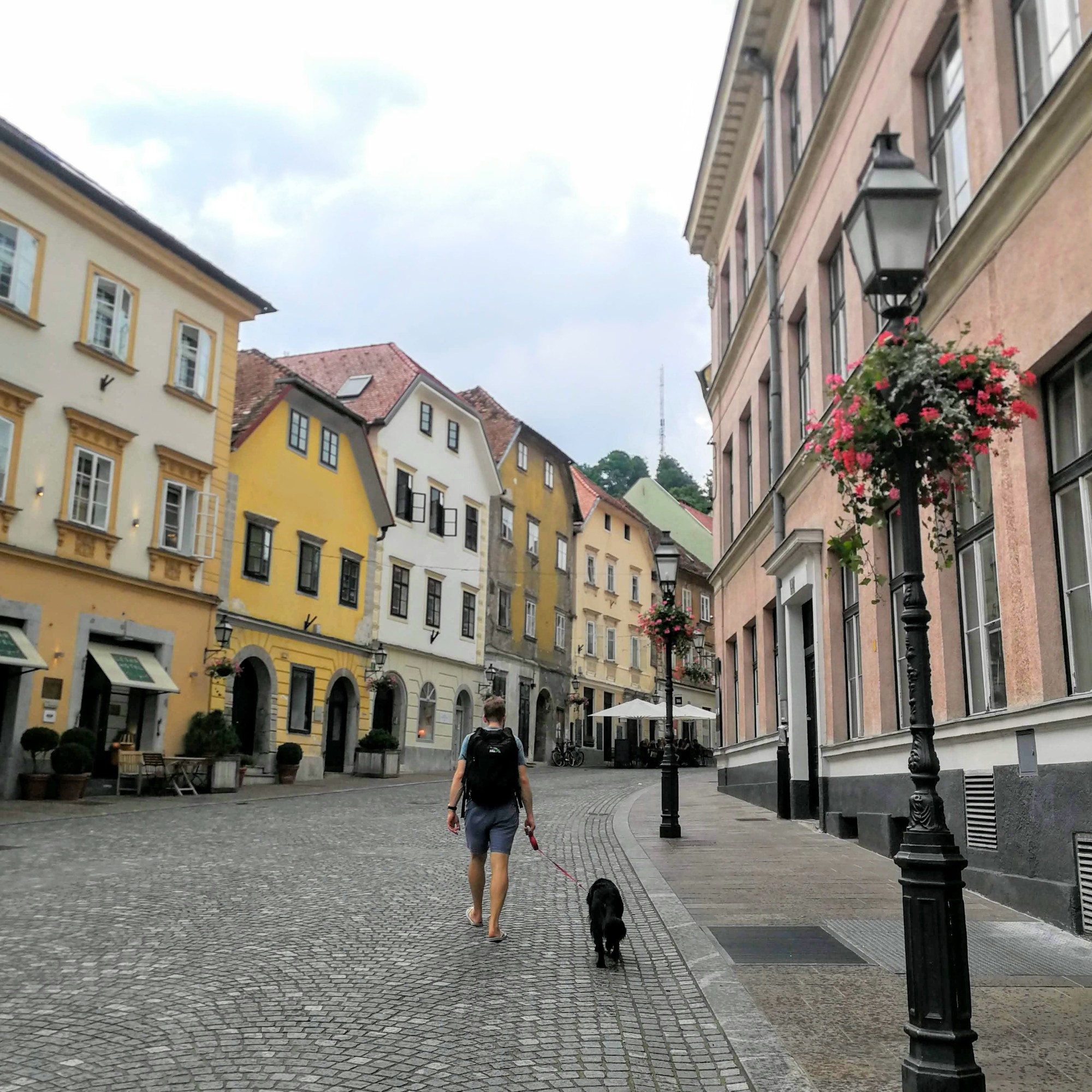
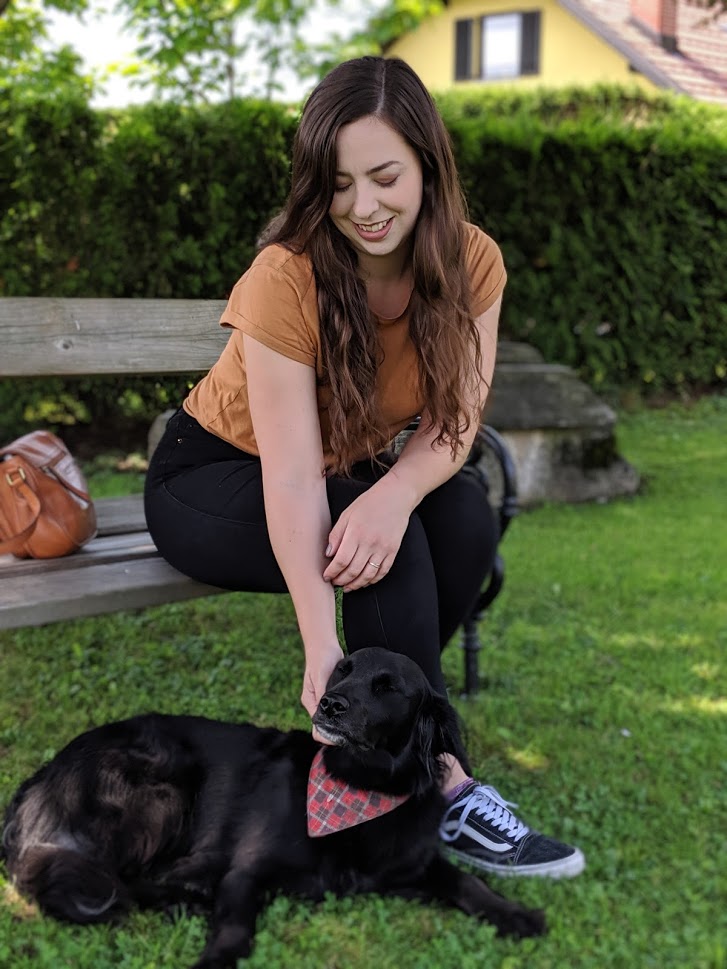
We decided this was the perfect place to bring along the dog for a day trip, as many shops and cafes here are very pet-friendly. After one or two spew-stops for the dog on the drive there (she gets a little car-sick), we arrived and made our way to the old town centre, where the bustling markets were in full swing. The day was swelteringly hot, so this meant frequent stops to keep the dog hydrated and shaded were a good excuse to try a gelato here, and a coffee there.

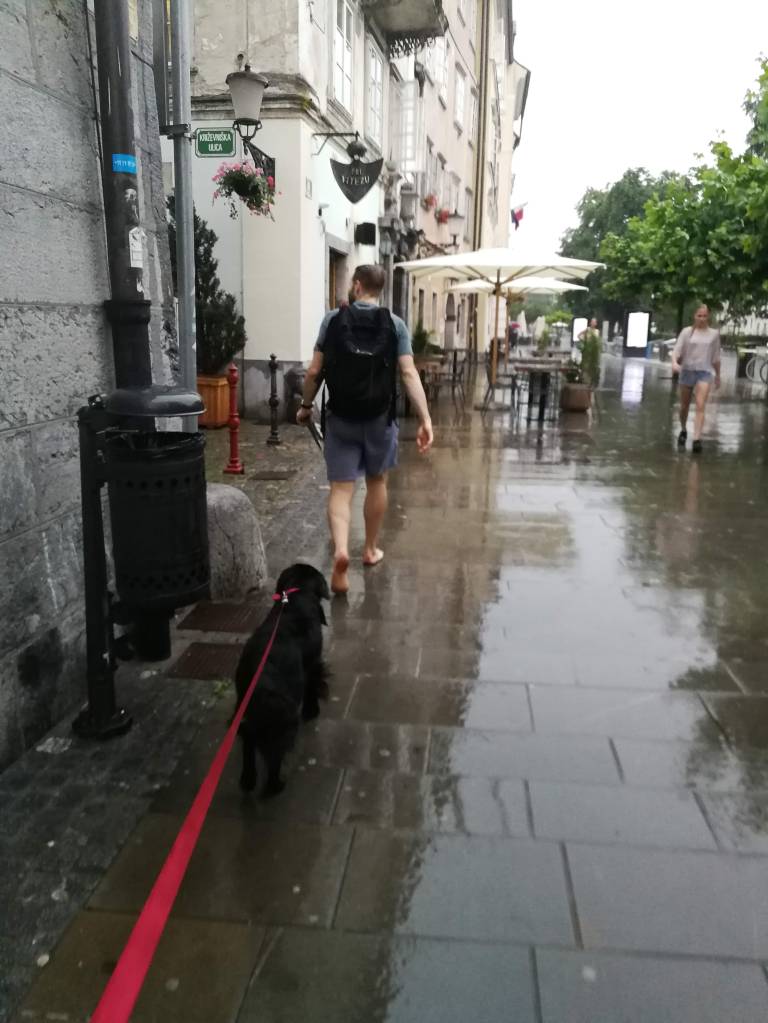
Just as we were considering calling it a day because we didn’t want to keep the dog out in the heat too long, a thunderstorm and torrential rain began, seemingly out of nowhere. Normally a bit of rain wouldn’t stop us, but we were completely unprepared and this was extreme enough that all the streets cleared out immediately. Market-goers fled into their nearest cafe, and those who still needed to get somewhere hopped from door-frame to door-frame down streets with no awnings. Unfortunately, we were the latter. At some point, probably about the time we realised it wasn’t letting up and we were soaked to the bone, Matt and I turned to each other and agreed, “What’s a few more drops?! Let’s just commit”, and promptly strolled through the downpour. We laughed at the people crammed right to the door in every cafe we passed, and they looked at us like we were insane. A large group gathered under the safety of a cafe marquee clapped and cheered us on as we walked by, looking like drowned rats resigned to our current predicament. Thankfully, we had a towel in the car to dry off the dog, and we sat in our wet clothes the whole way home, looking forward to a nice, warm shower.

Matt gave up on wearing shoes as they were soaked through.

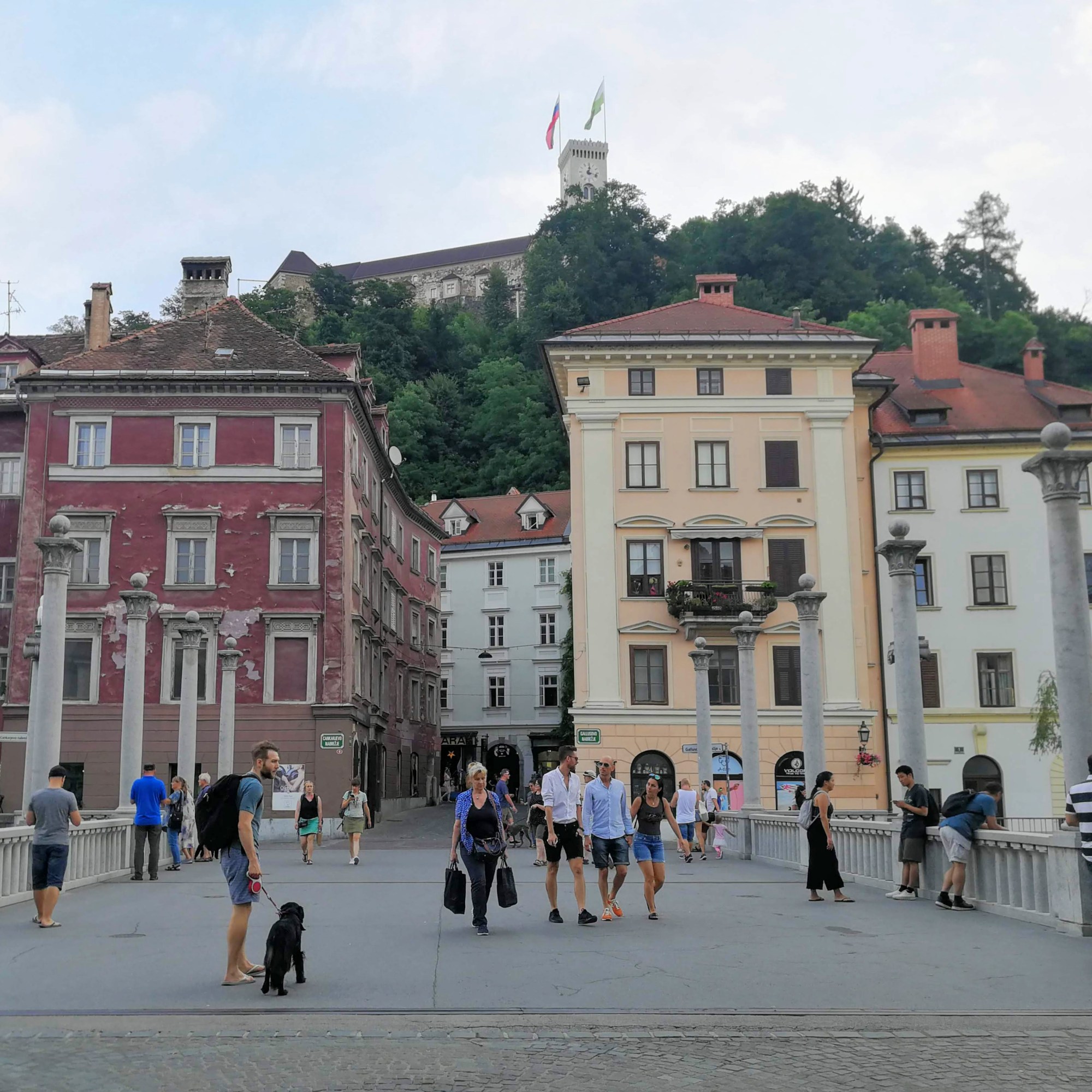
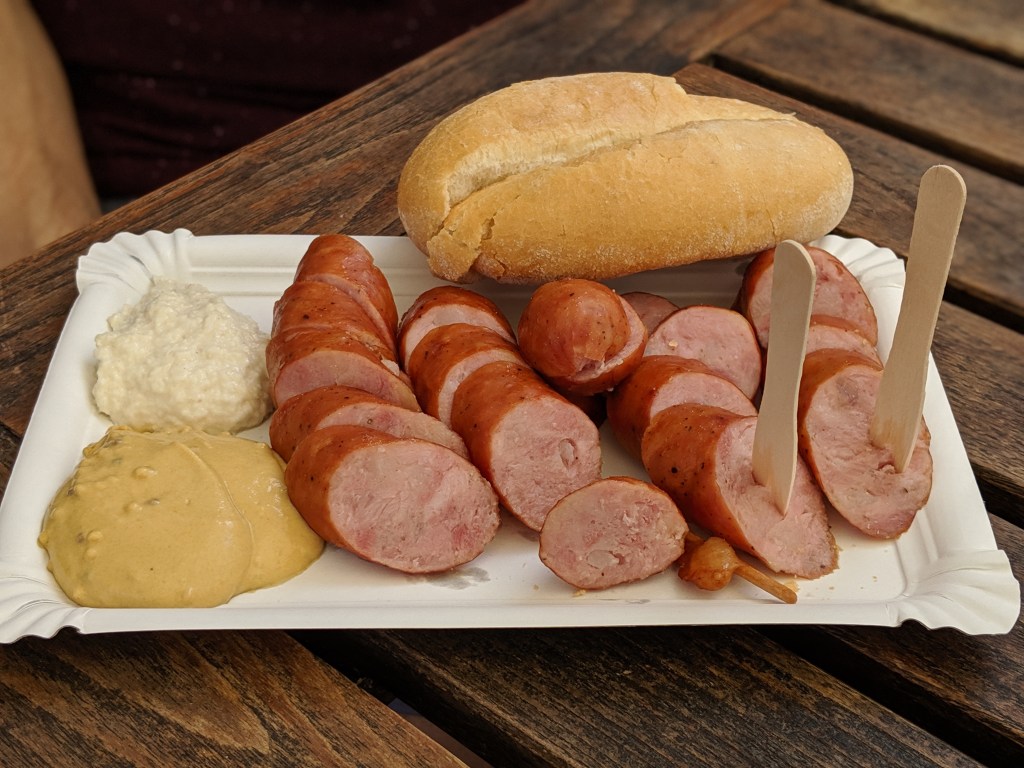
Because our day trip was cut short, we thought a second visit to Ljubljana (without the dog this time) would be worthwhile. It was the perfect day to see the city, and we loved ambling through the tidy, cobbled streets. I particularly liked the cute shops with locally made crafts and pottery. We also knew we needed to pay a visit to Klobasarna, THE place to get the famous Kranjska klobasa (Carniolan sausage) and of course, you can take a funicular up to see the castle on the hill sitting above the old town.
Mustard and horseradish are traditionally paired with the Kranjska klobasa.

Tourist Tip: If you want an easy and FREE way to get around the city, there are little electric cars that can take you around, courtesy of the city’s tourism board. ‘Kavalirs‘ (“gentle helpers”) are used for elderly and for visitors, and are environmentally friendly – nice one, Slovenia!

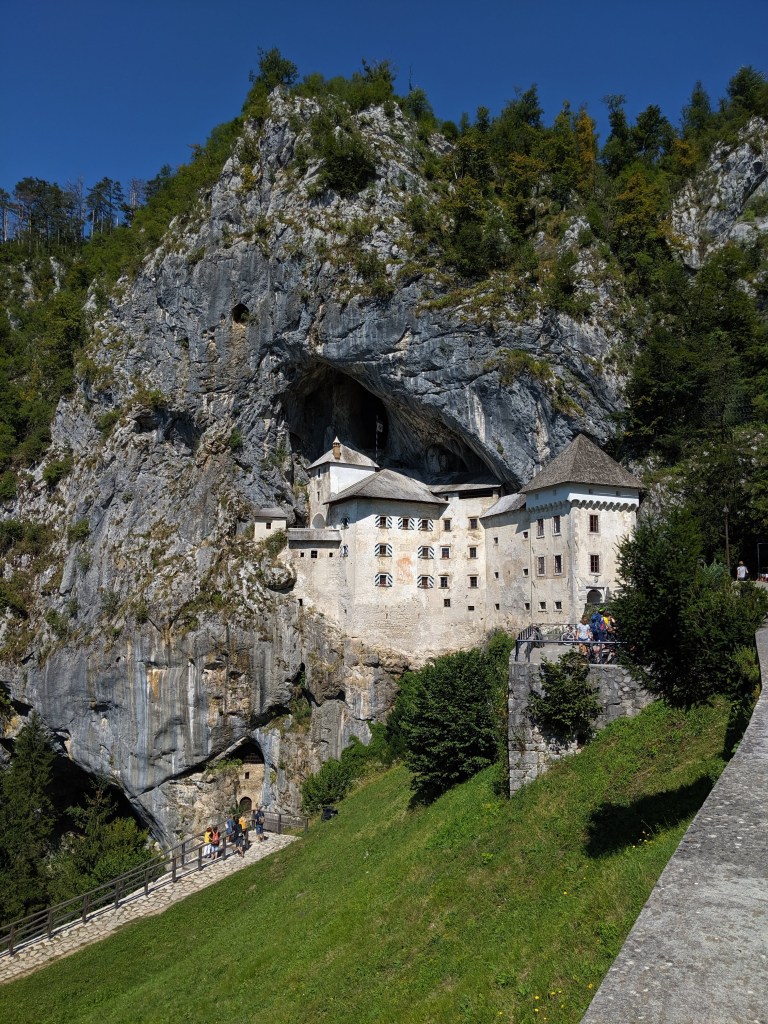
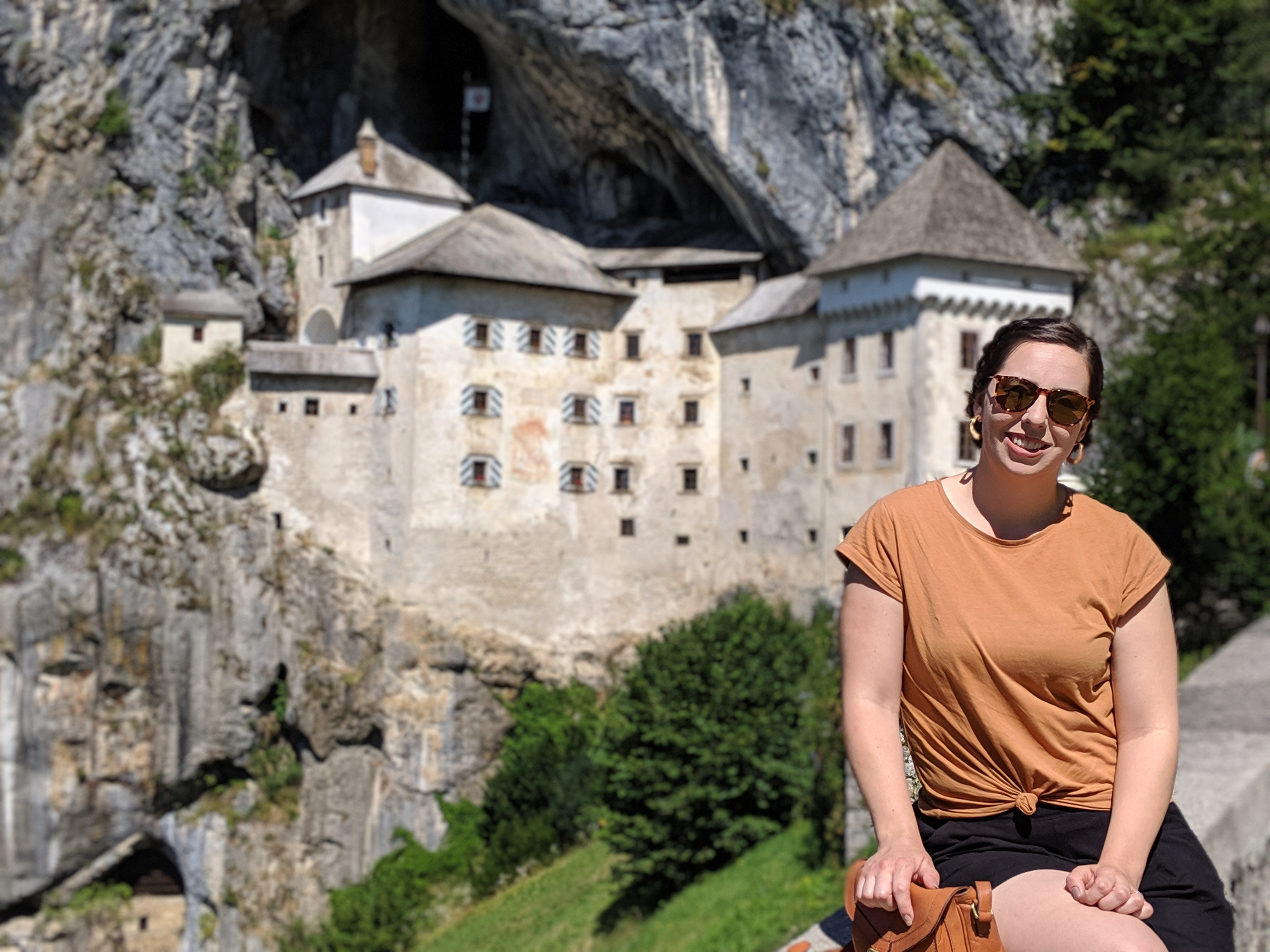
Prejama Castle: The fairytale castle in the mouth of a cave.
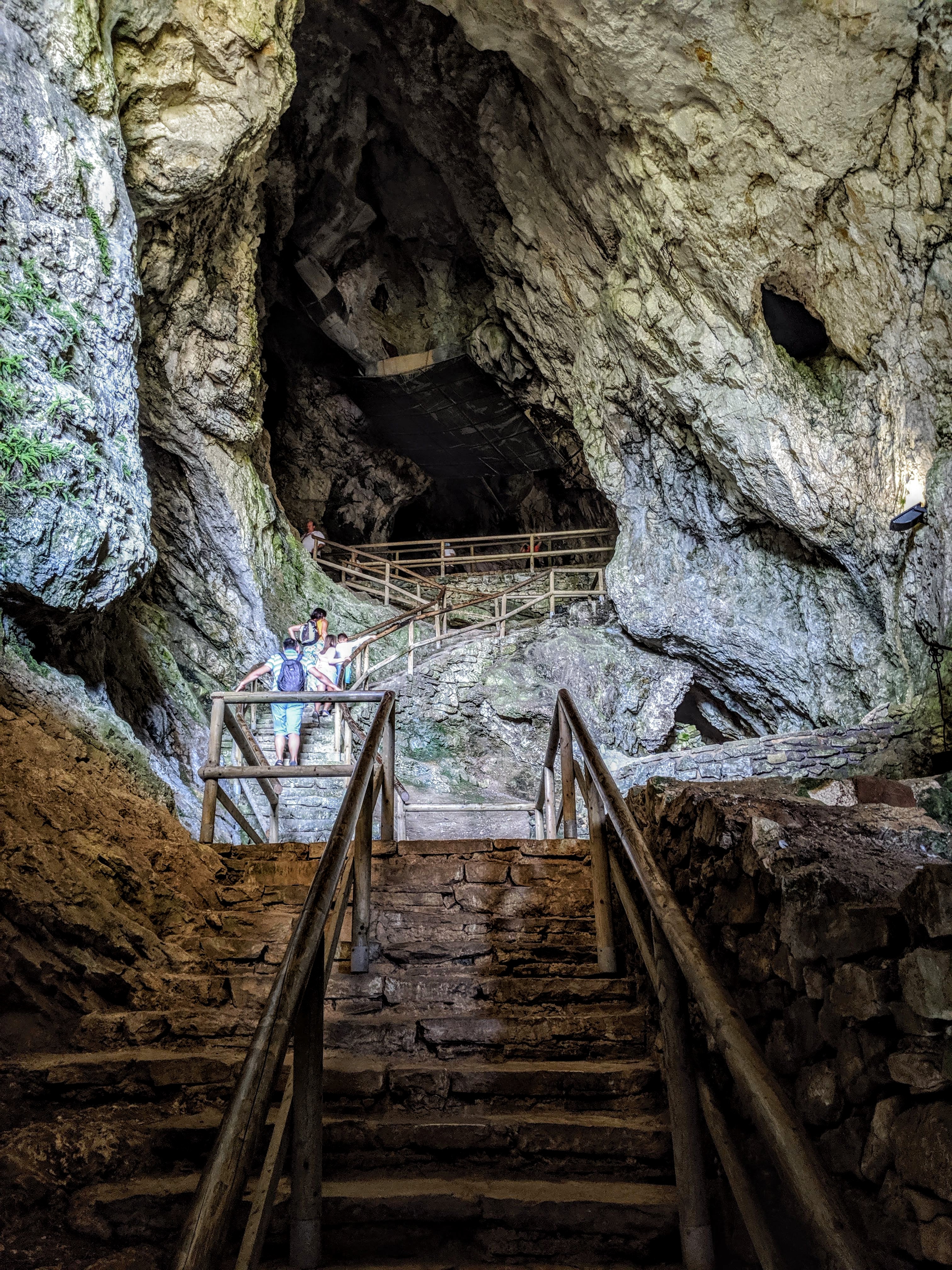
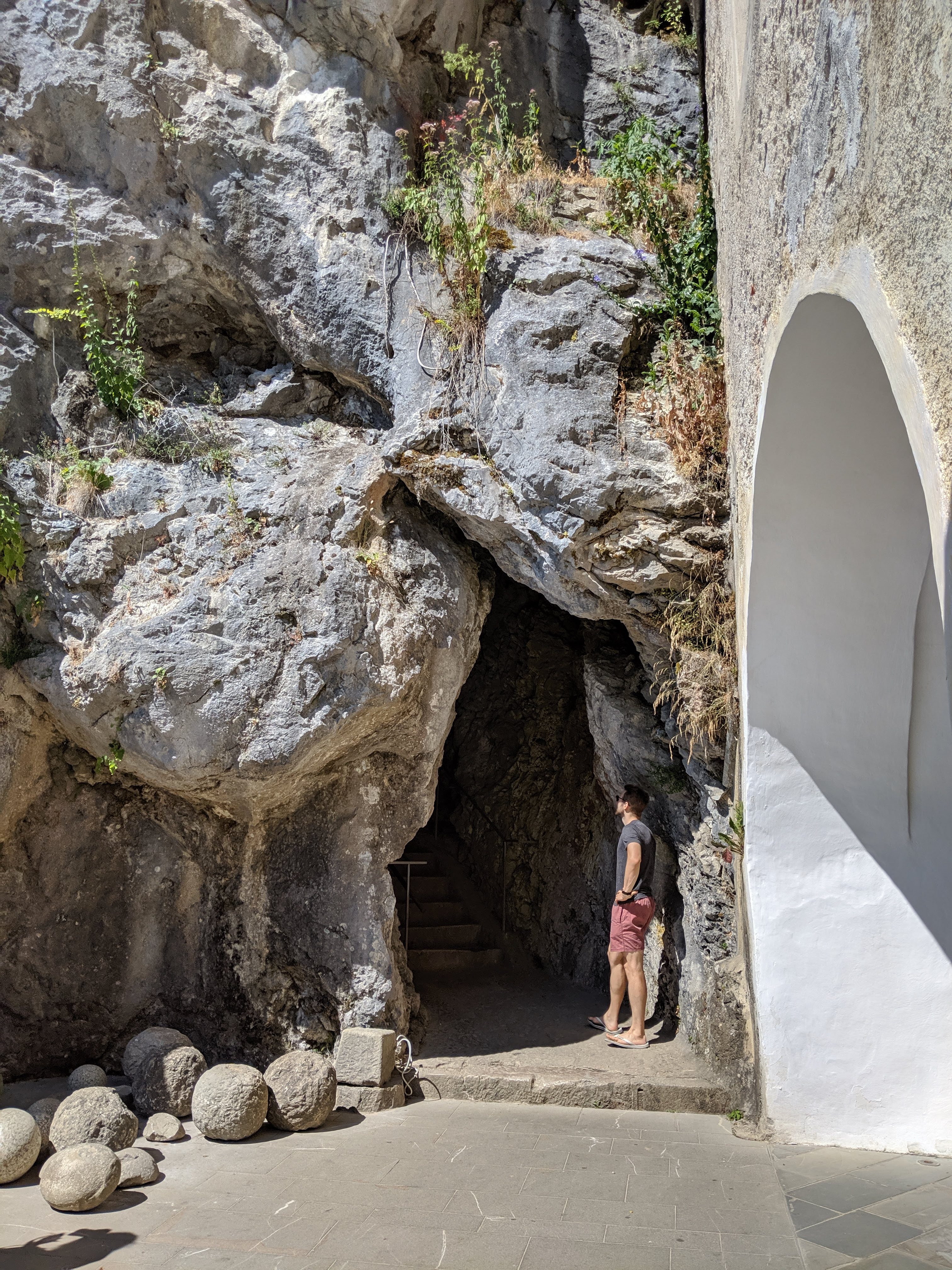
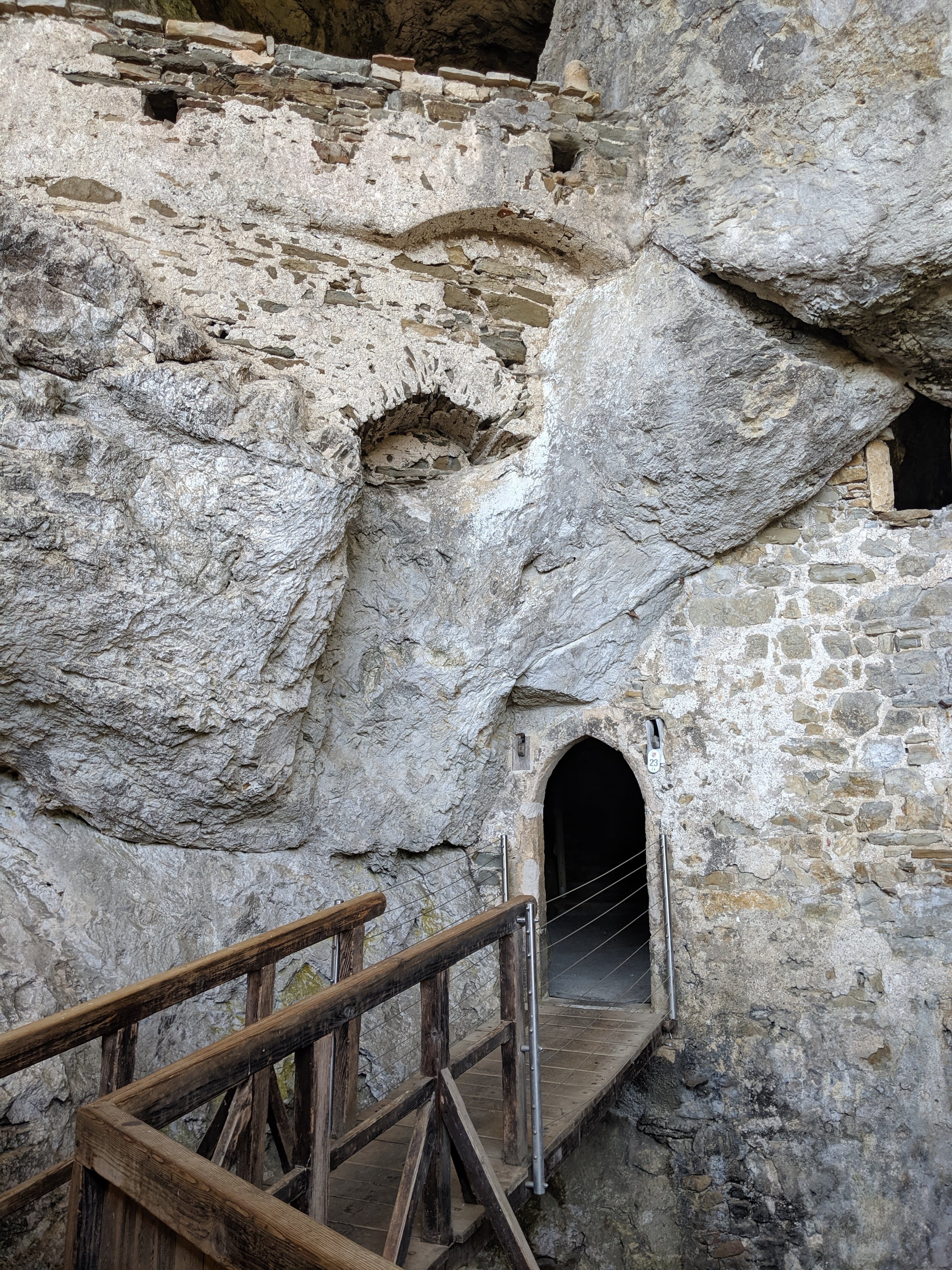
As a side excursion, we also visited the extraordinary Predjama Castle. It was a little bit of a detour out from where we were, but after spotting photos of it on Instagram, I knew we needed to go here. It was well worth the trip, and many who visit the castle also explore the nearby Postojna Cave (you can also get packages for entry to both here). We wish we had had time for both, but we barely had time to discover all the hidden passages in the castle as it was. Predjama Castle is made unique by its location. The medieval castle was built in the middle of an 123m high cliff-face, with secret tunnels and cave systems running behind and underneath it. Legend tells of its unassailable walls withstanding an attack from the Holy Roman Empire, meanwhile the inhabitants would sneak out through the secret passage and replenish food and water. The attack lasted just over a year, ending with the unfortunate death of its owner, Erazem Lueger, who was betrayed by one of his servants and blasted with a canon while he was on the toilet.
Celje + Šempeter

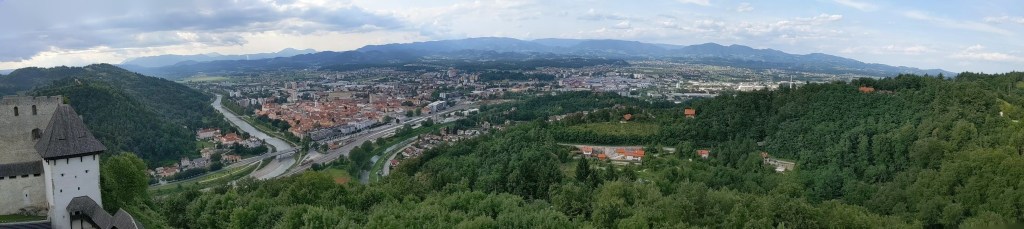
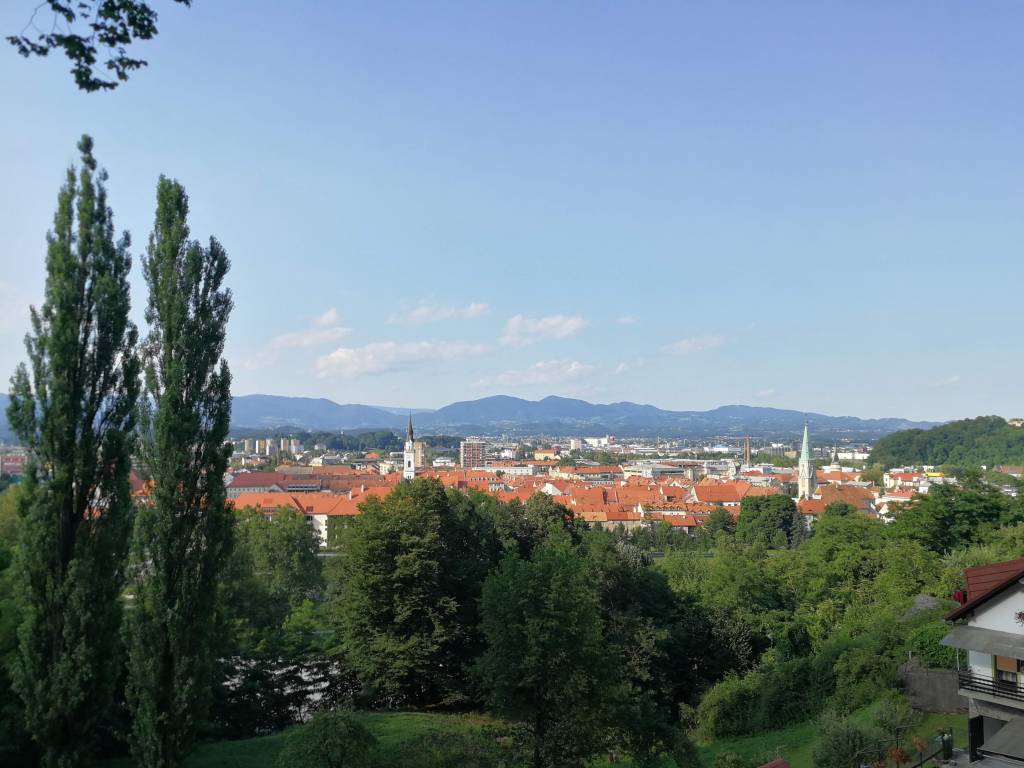
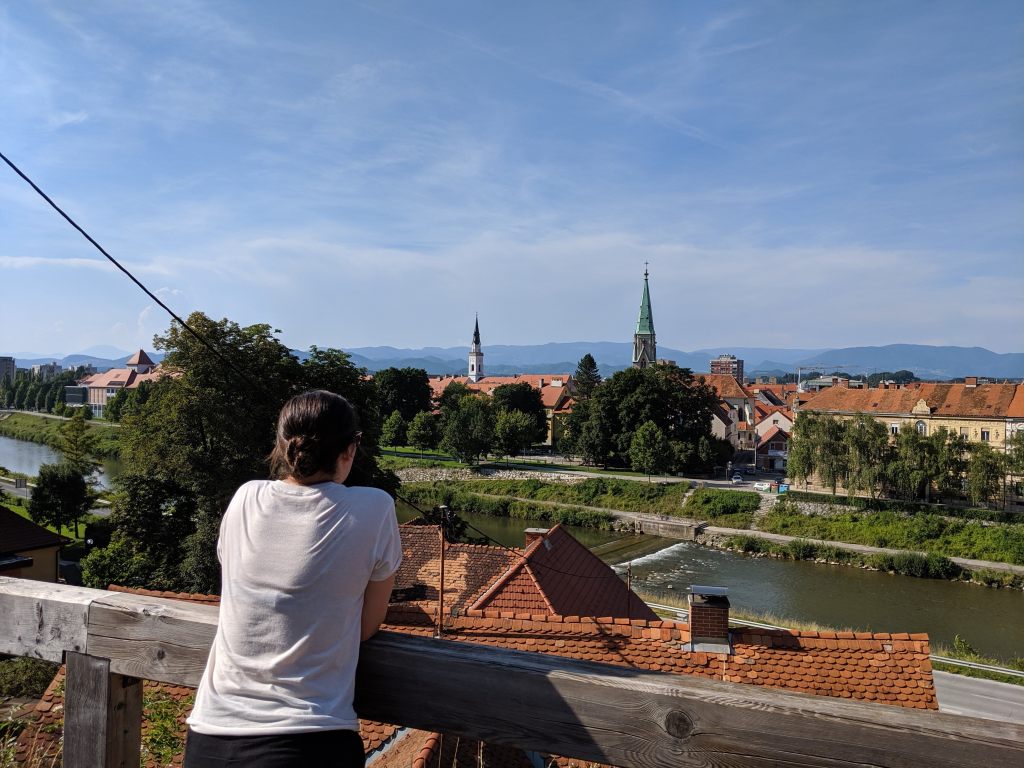
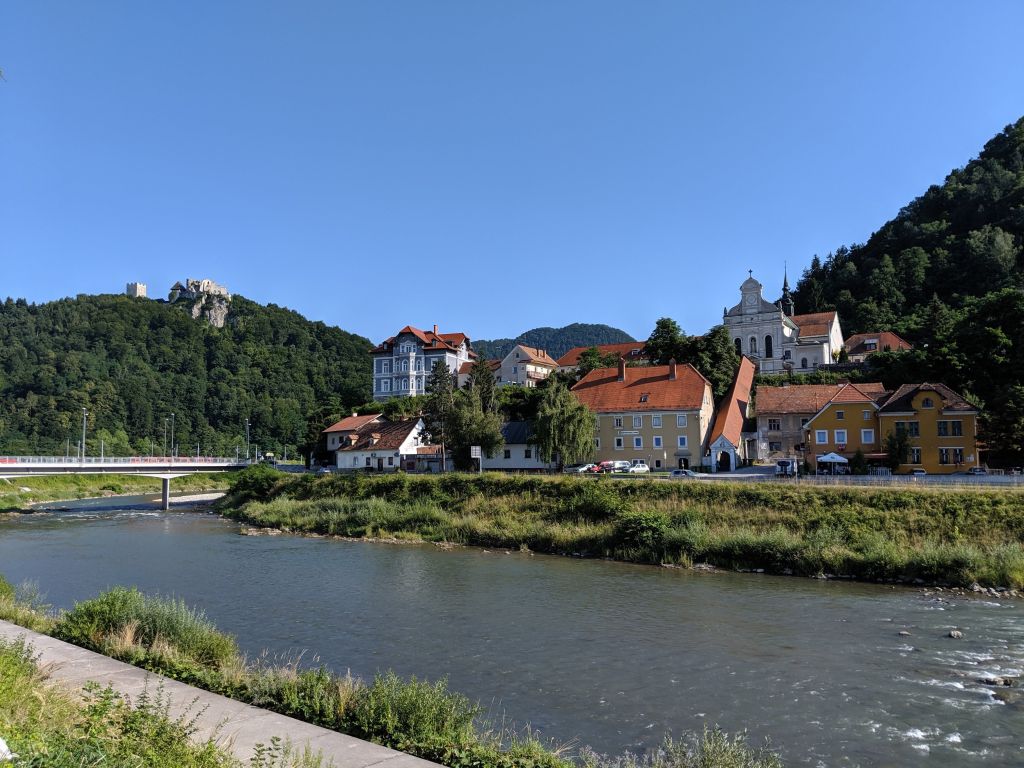
The quiet town of Celje from the Celje Castle tower.

Our first house-sitting experience was up in the Slovenian hills looking down on the small town of Celje; home for the next 3 weeks. Though it’s Slovenia’s third-largest town, it has a population of less than 40,000, so it feels like basically everyone knows everyone, and each other’s business. The town itself is quaint and historical, and we walked down and back up the steep hill most days accompanied by the dog we were looking after.

One of our biggest hurdles has been making sure the internet is suitable for our work needs. Being able to work via internet is a huge advantage for us in regards to making it possible for us to do this whole ‘house-sitting’ thing, however, we have come to realise that, unfortunately, you cannot rely on the internet being fast enough for our needs, and you cannot rely on the house-sitting host to always fully understand what “fast upload speed” means. That being said, we (I mean Matt, really) have always figured out a solution in the end. Our house-sit in Slovenia ended up having internet only marginally better than dial-up, but thankfully the cell data plans were big enough to accommodate our usage.

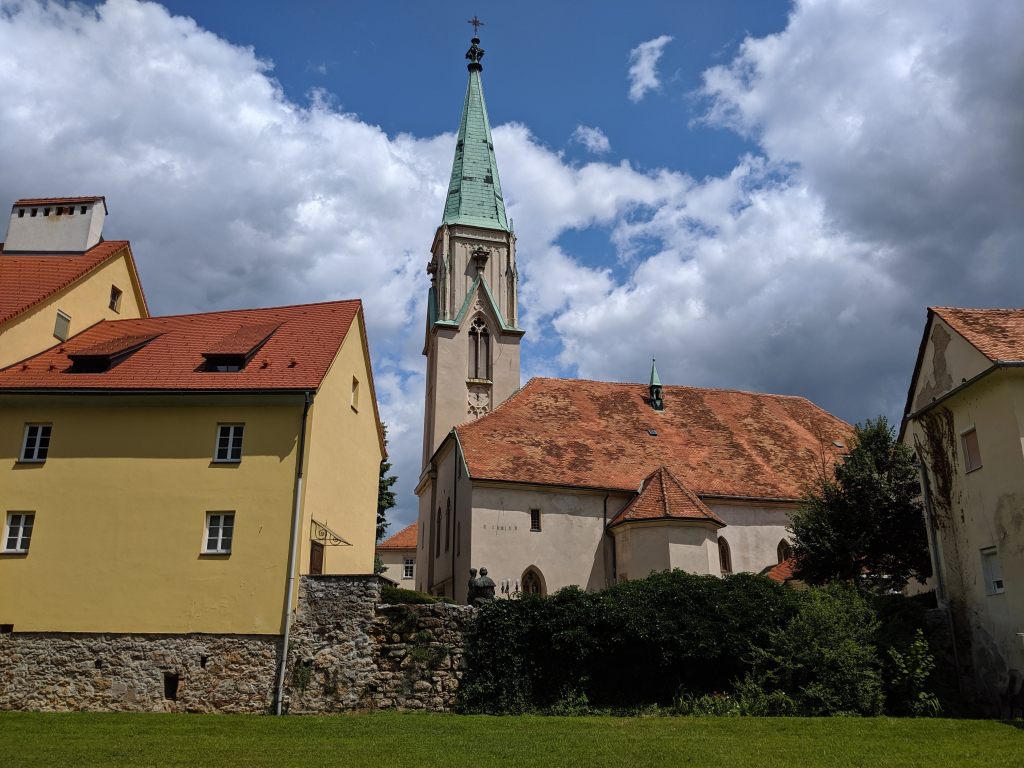
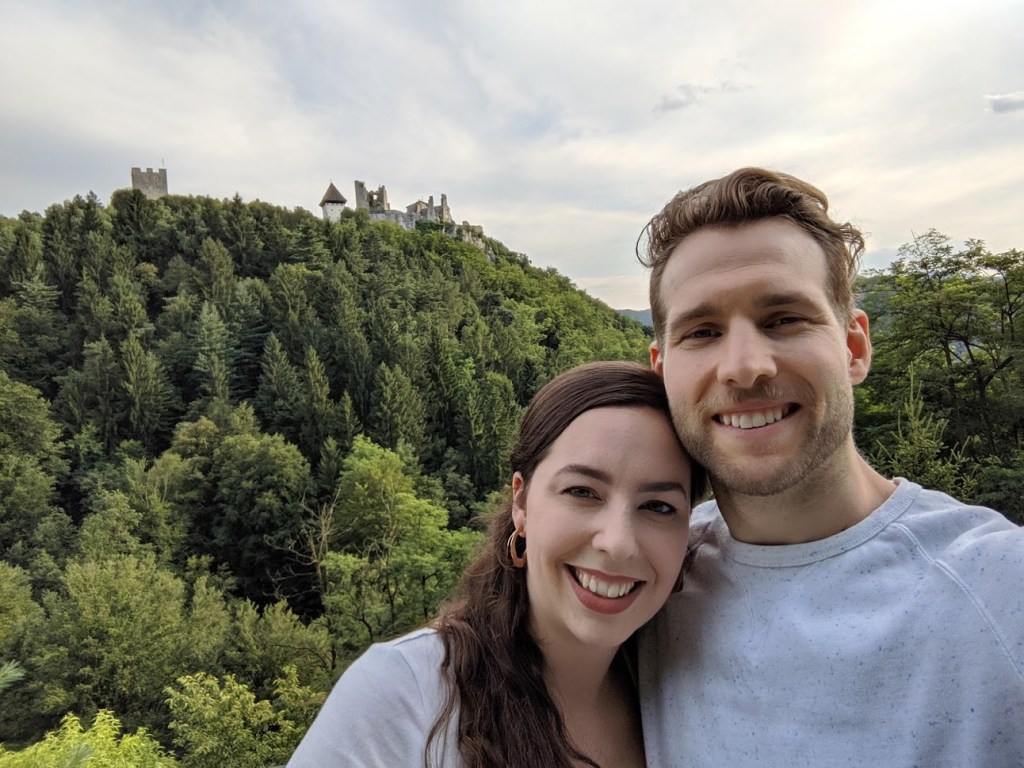
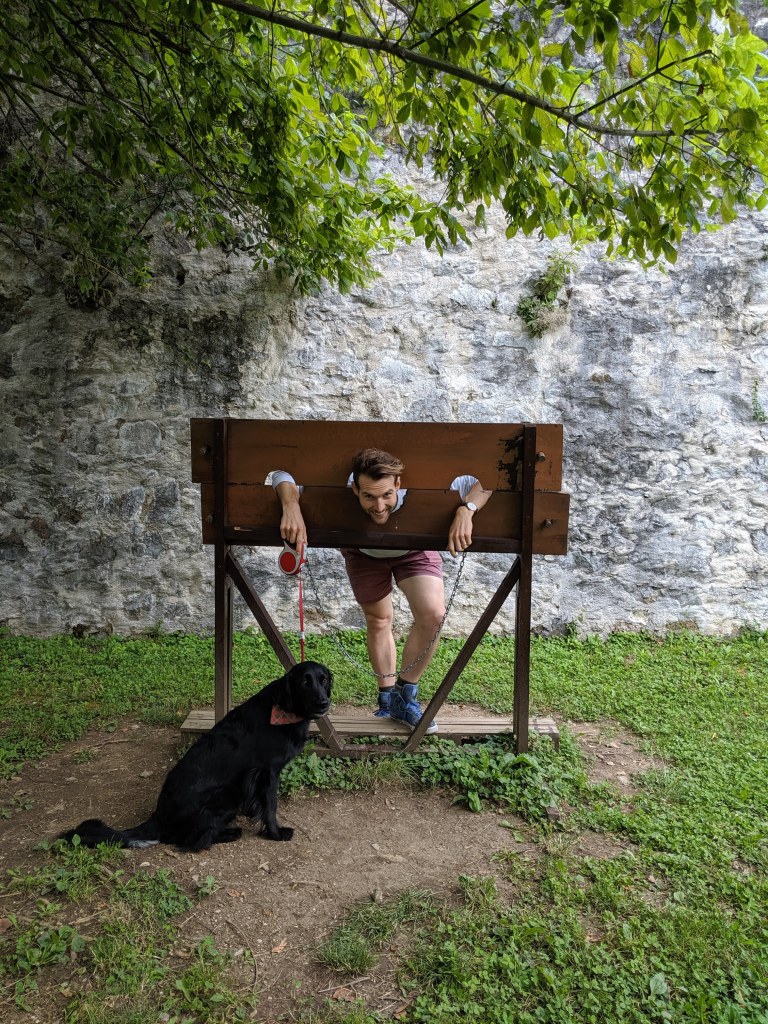
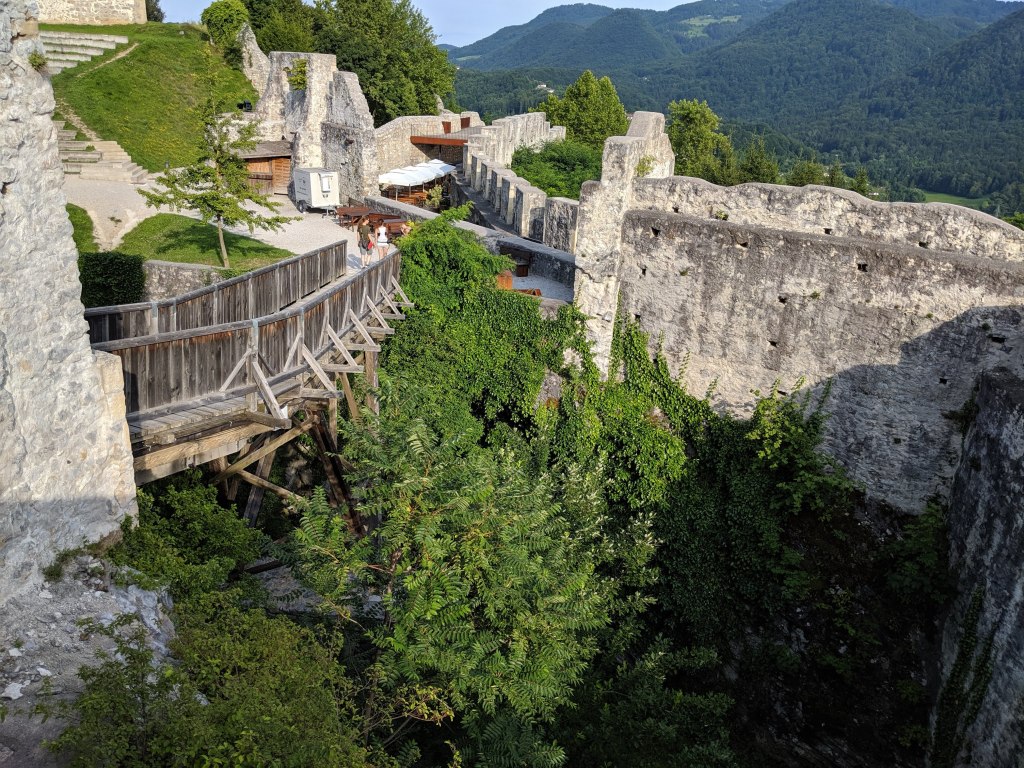
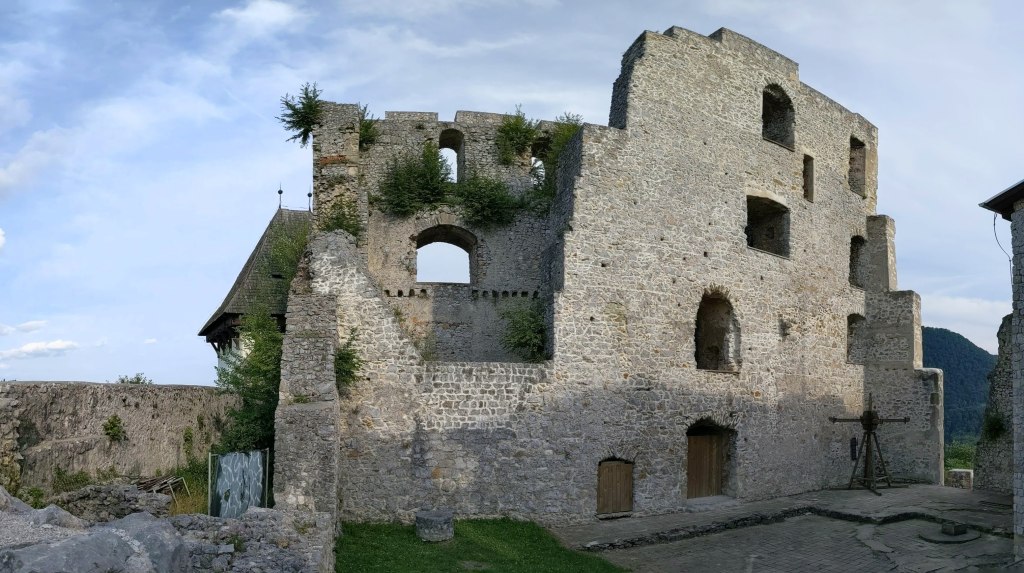
One of the highlights of Celje is the castle on the hill behind the city. You can get a lovely view of the castle from the Savinja River, or basically anywhere in the town, and vice versa. This is probably the main draw-card for visiting the castle, though the history, architecture and torture chamber exhibit are also interesting. At certain times of the year, there are interactive experiences, festivals and concerts held here (more info here).

She’s sulking because she was upset at Matt being “locked up”.

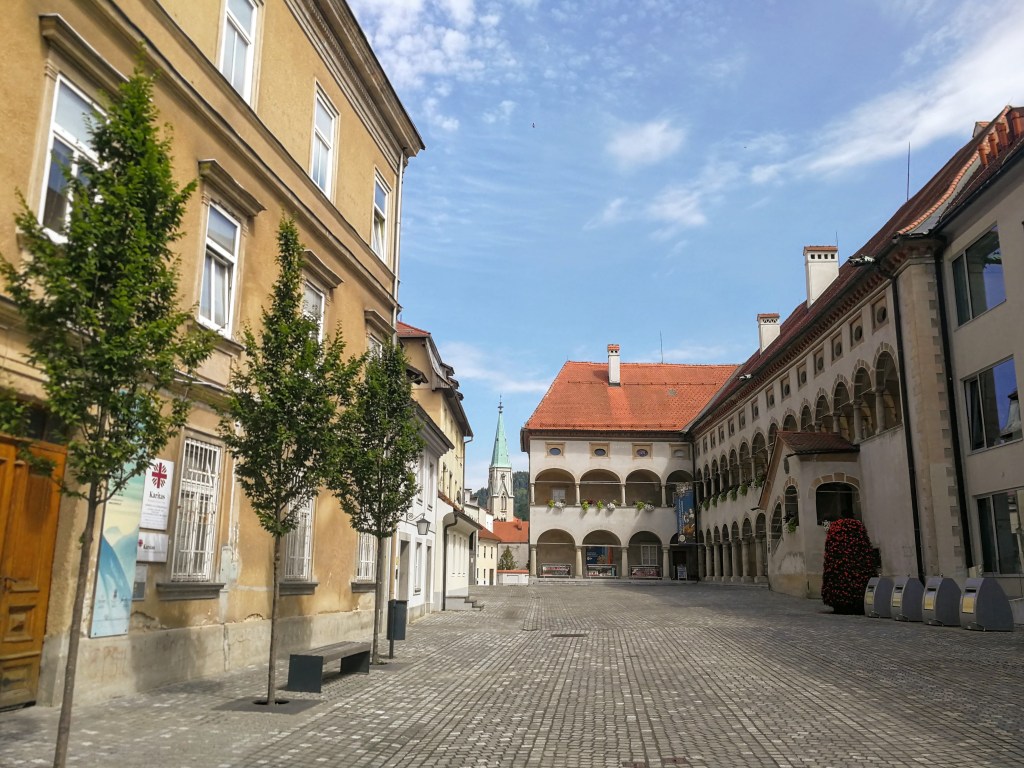
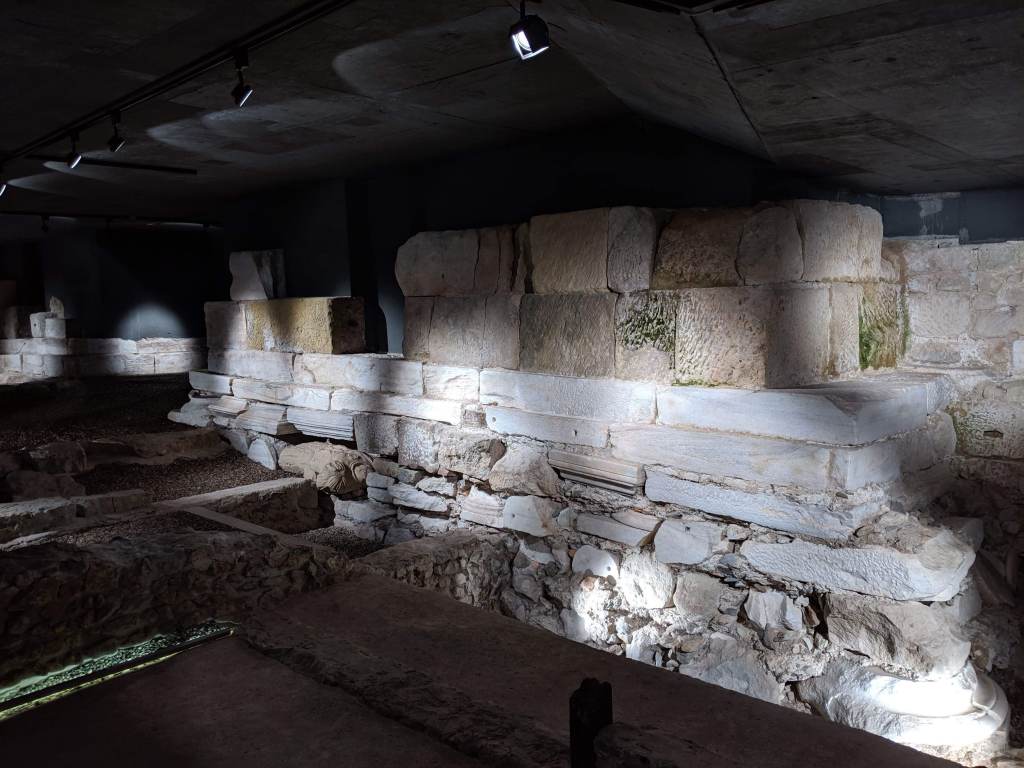
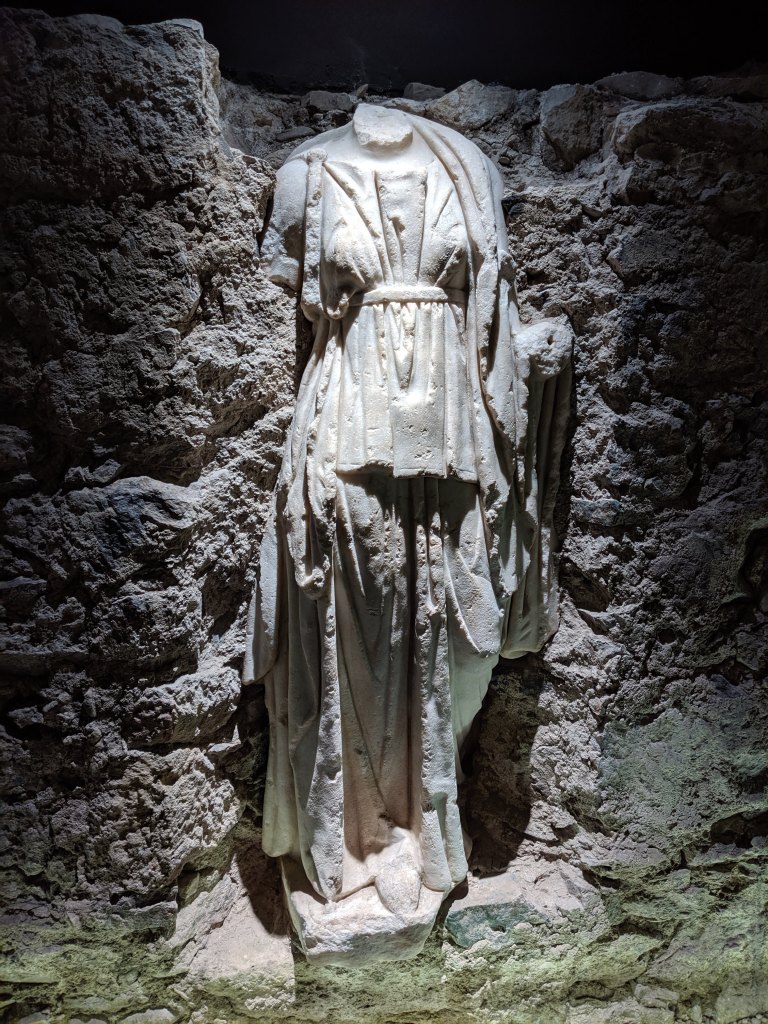
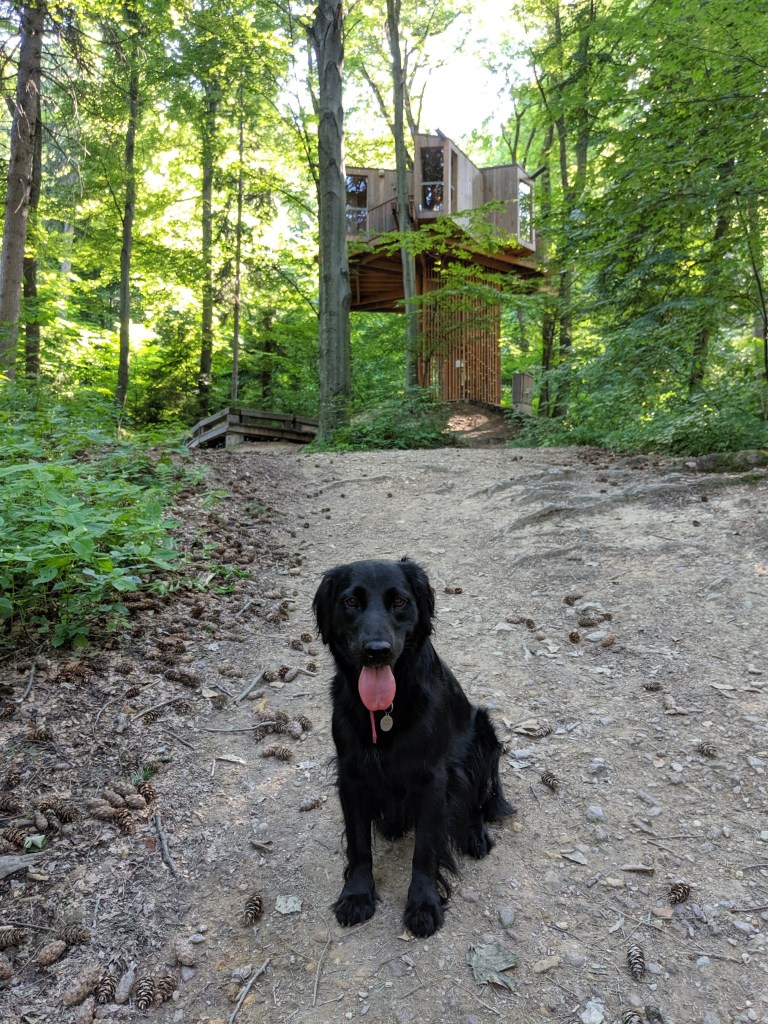
Celje was once occupied by Roman forces, and therefore much of their older history is intertwined. Sites of Roman ruins can be found around the city, and a guided visit to the Pokrajinski Muzej will bring you below the current town, to the remains of the Roman town once there – you can even walk across the section of Roman road that was uncovered. While the historians and experts are trying to raise enough money to reconstruct what they can from the rubble, there is apparently enough leftover pieces of debris (often large pieces of marble with carvings in them) that they have started using them as public seating around the town. A few other things in the area that are worth a visit are the public treehouse in the park/forest across the river from the town centre (especially if you love a good nature walk), and the Stari Pisker is a great place to grab a good burger or meat dish.

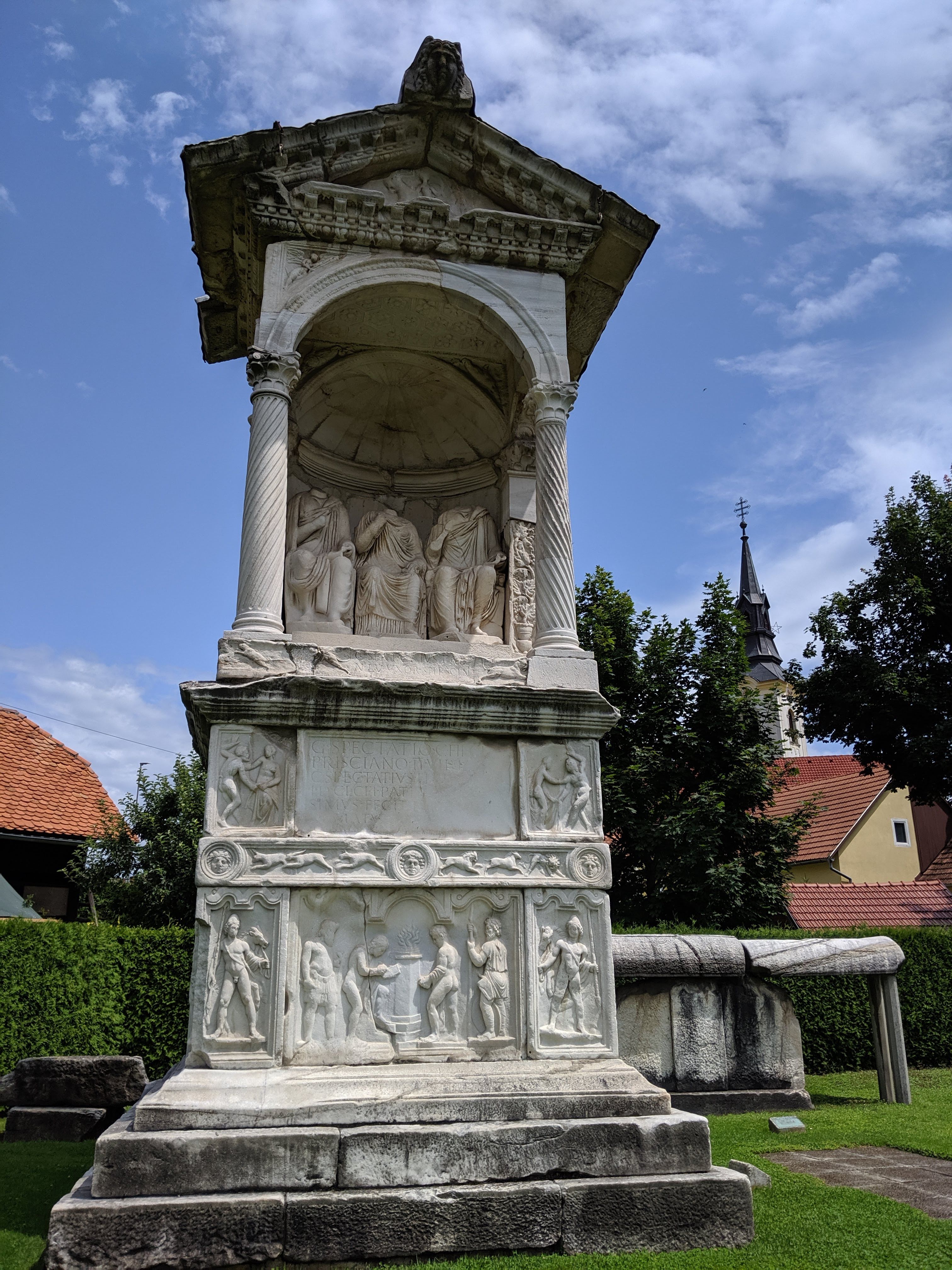
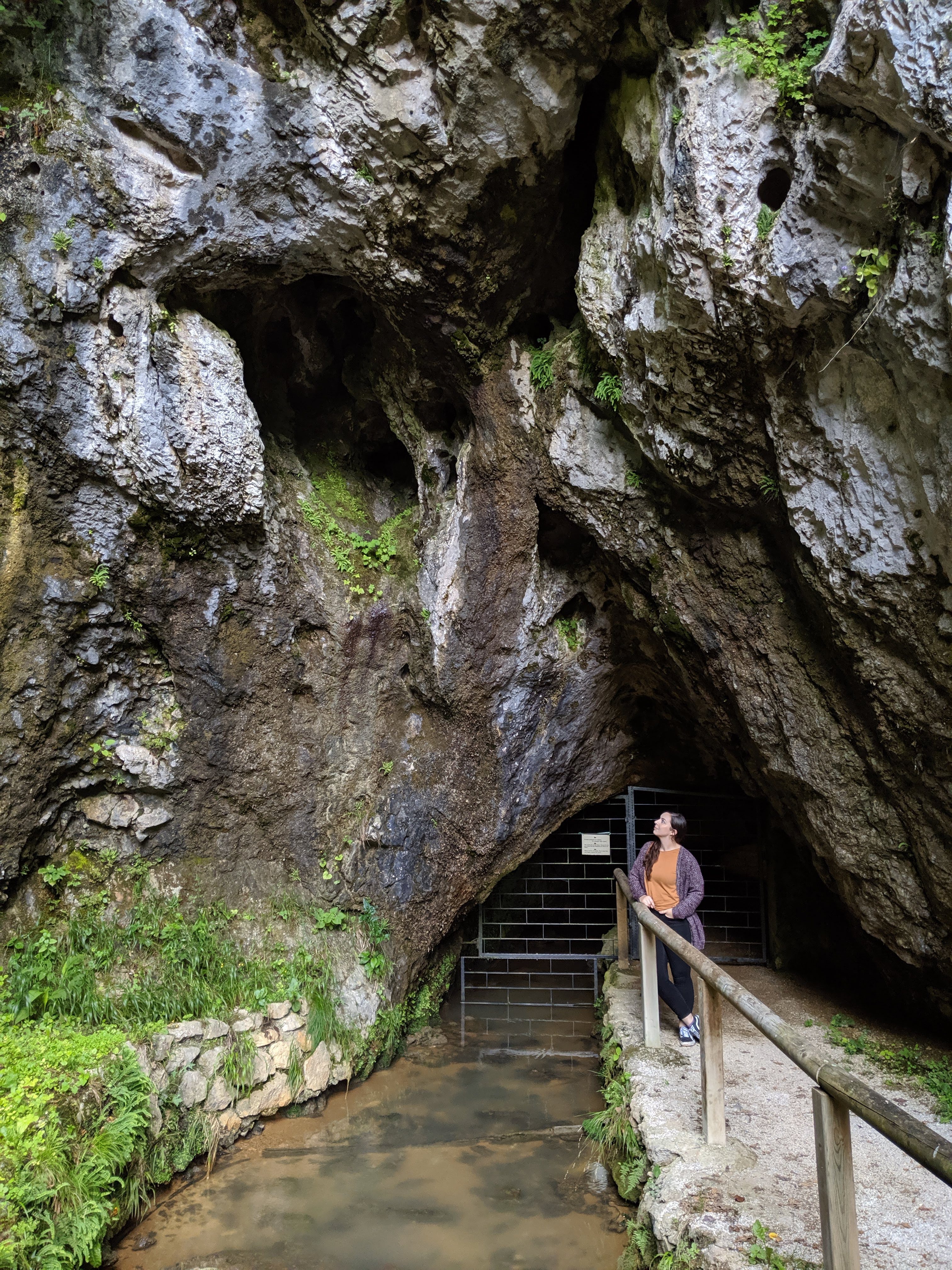
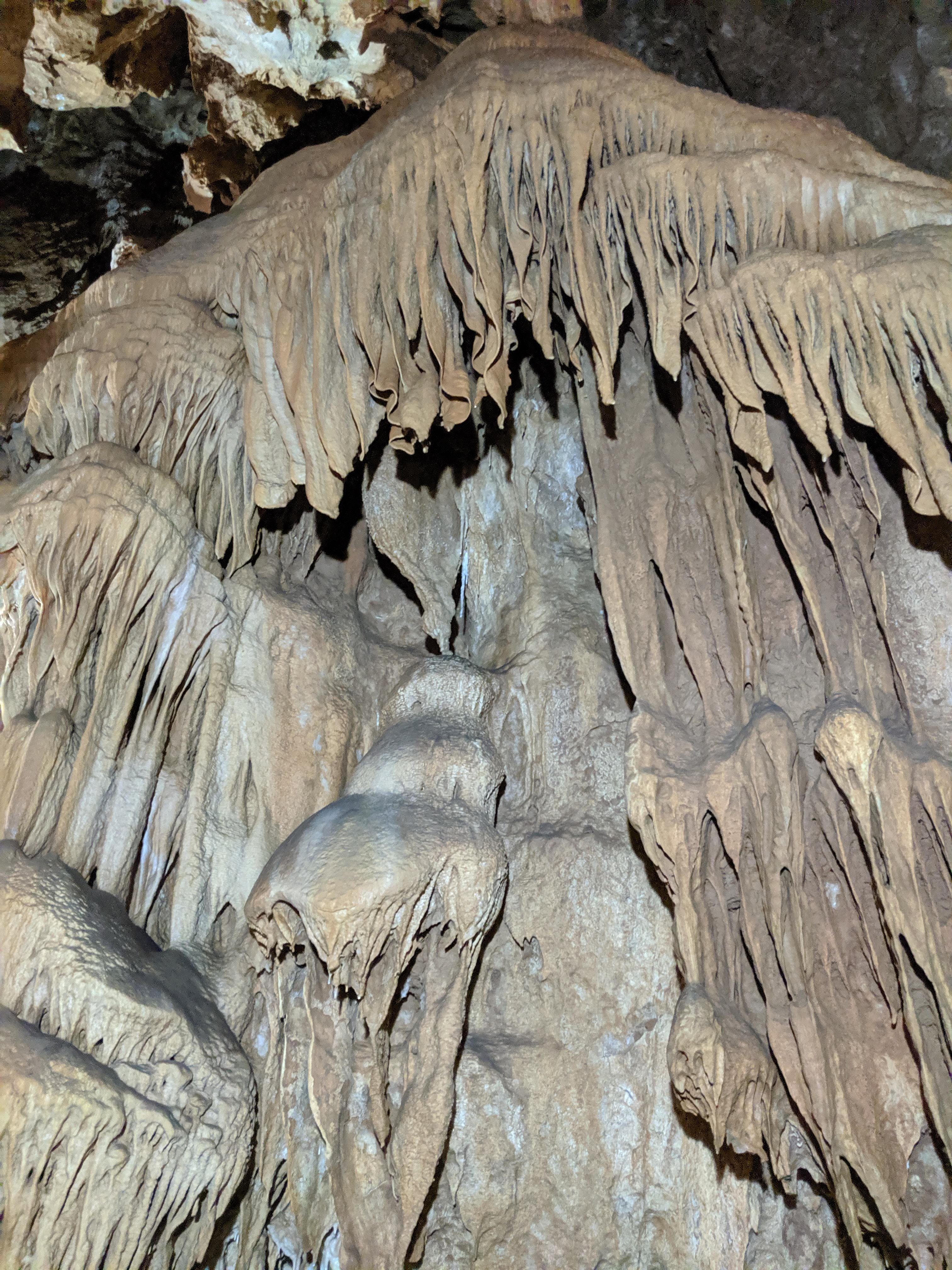
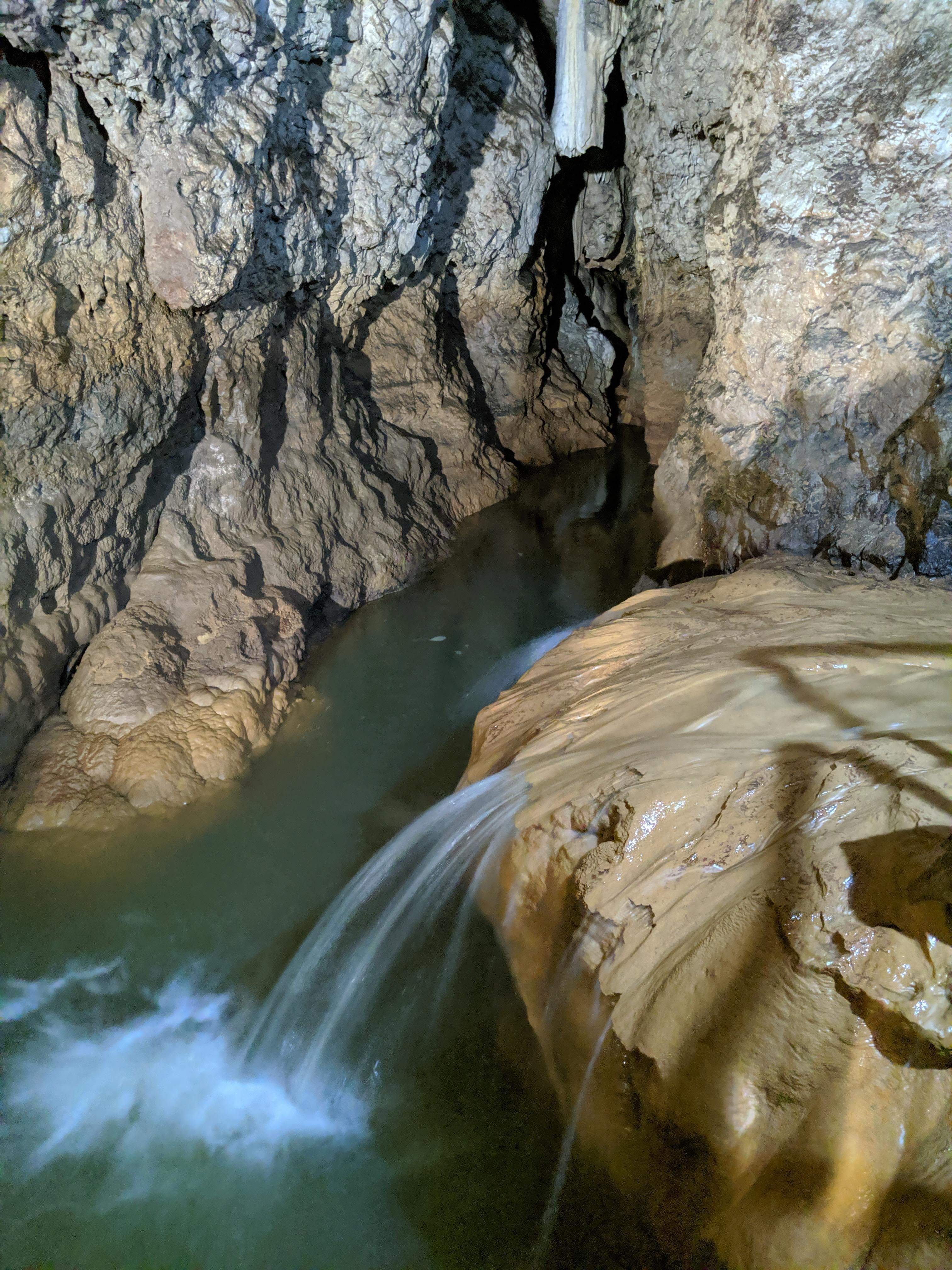
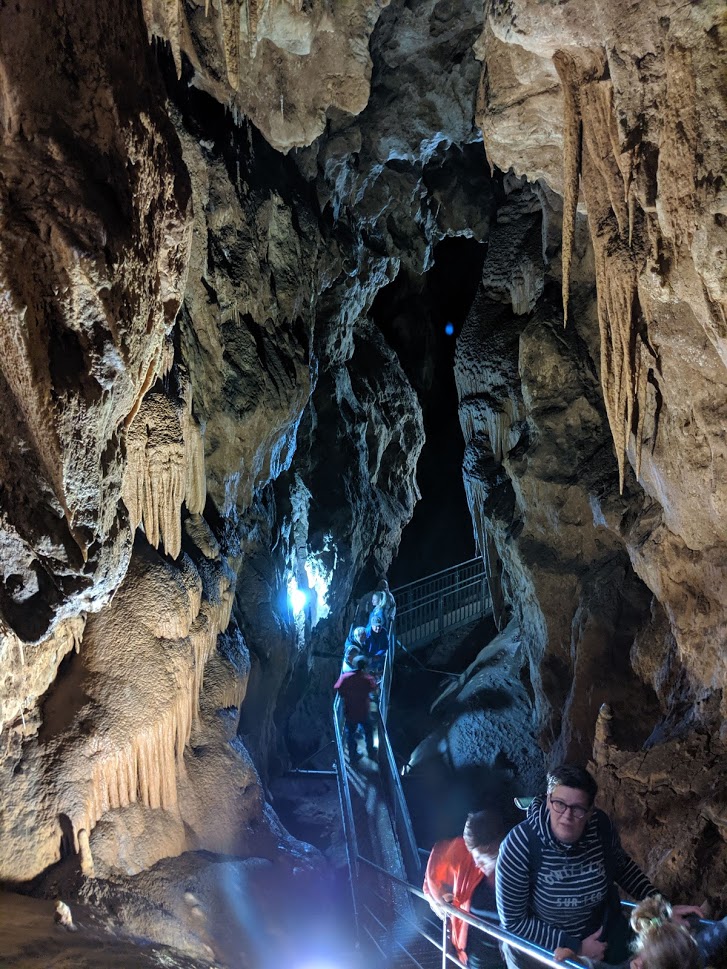
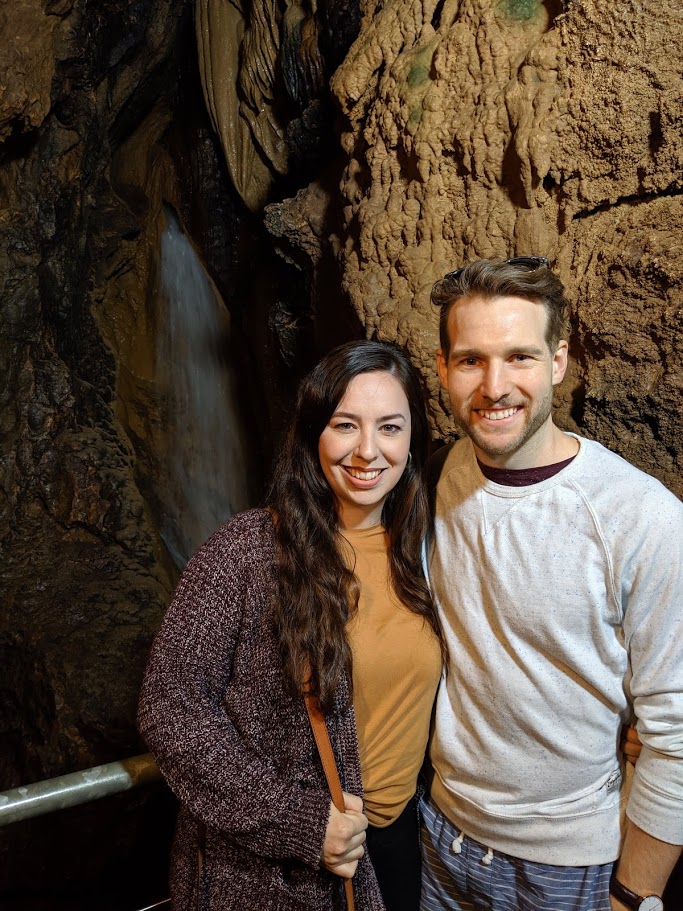
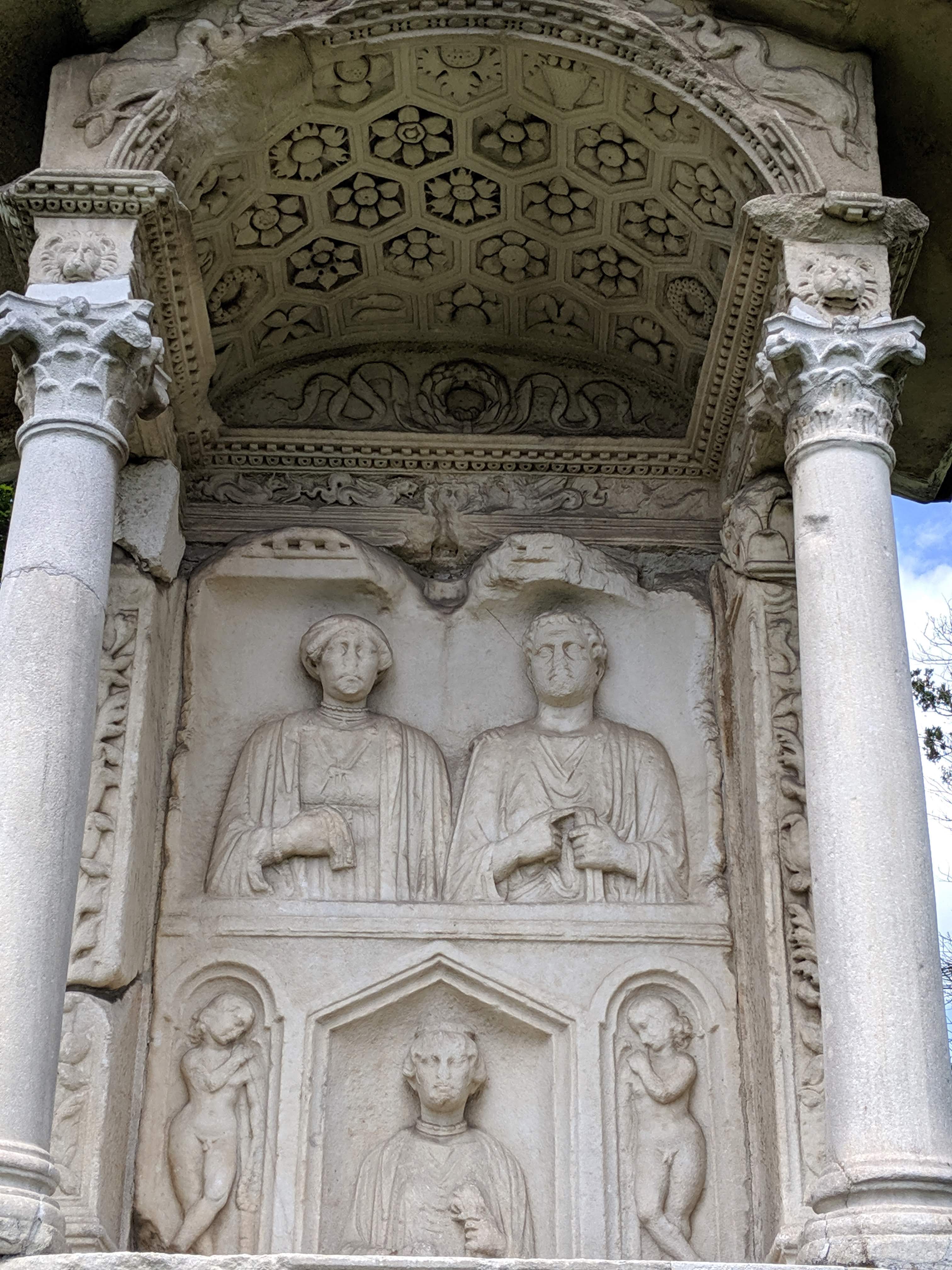
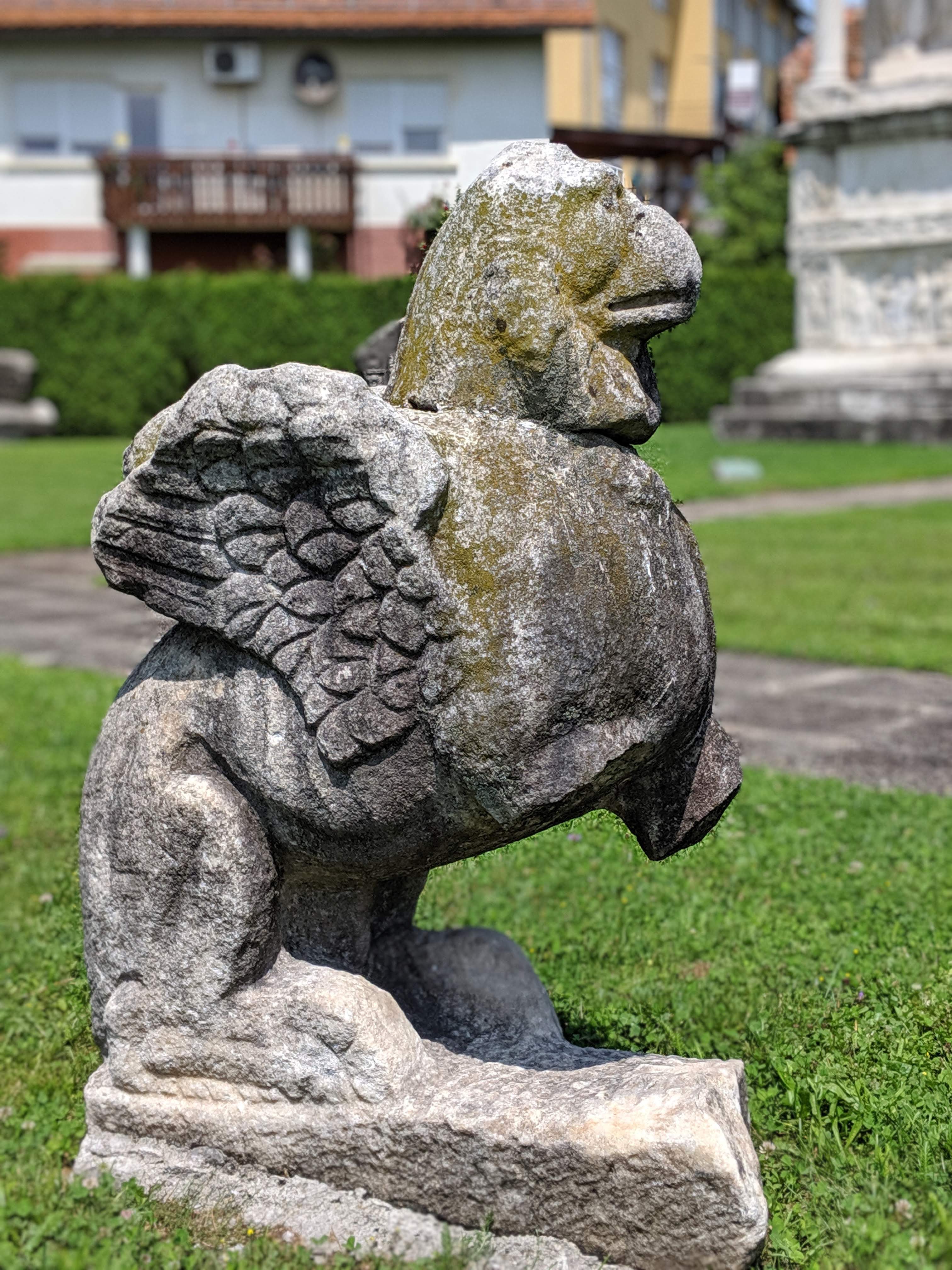
An easy drive from Celje is a town called Šempeter. If the Roman ruins in Celje were your jam, then you’ll probably enjoy this too. Just off the main road is a Roman Necropolis, some of which was discovered in an orchard in the 50’s, and some pieces were found in the Savinja riverbed. We made this stop on our way to the Pekel Cave, where we took a guided tour that led us between the stalactites and stalagmites, up a large flight of stairs and spat us out at the top of the hill that the cave is under.