The Fairytale Land that is Lake Bled

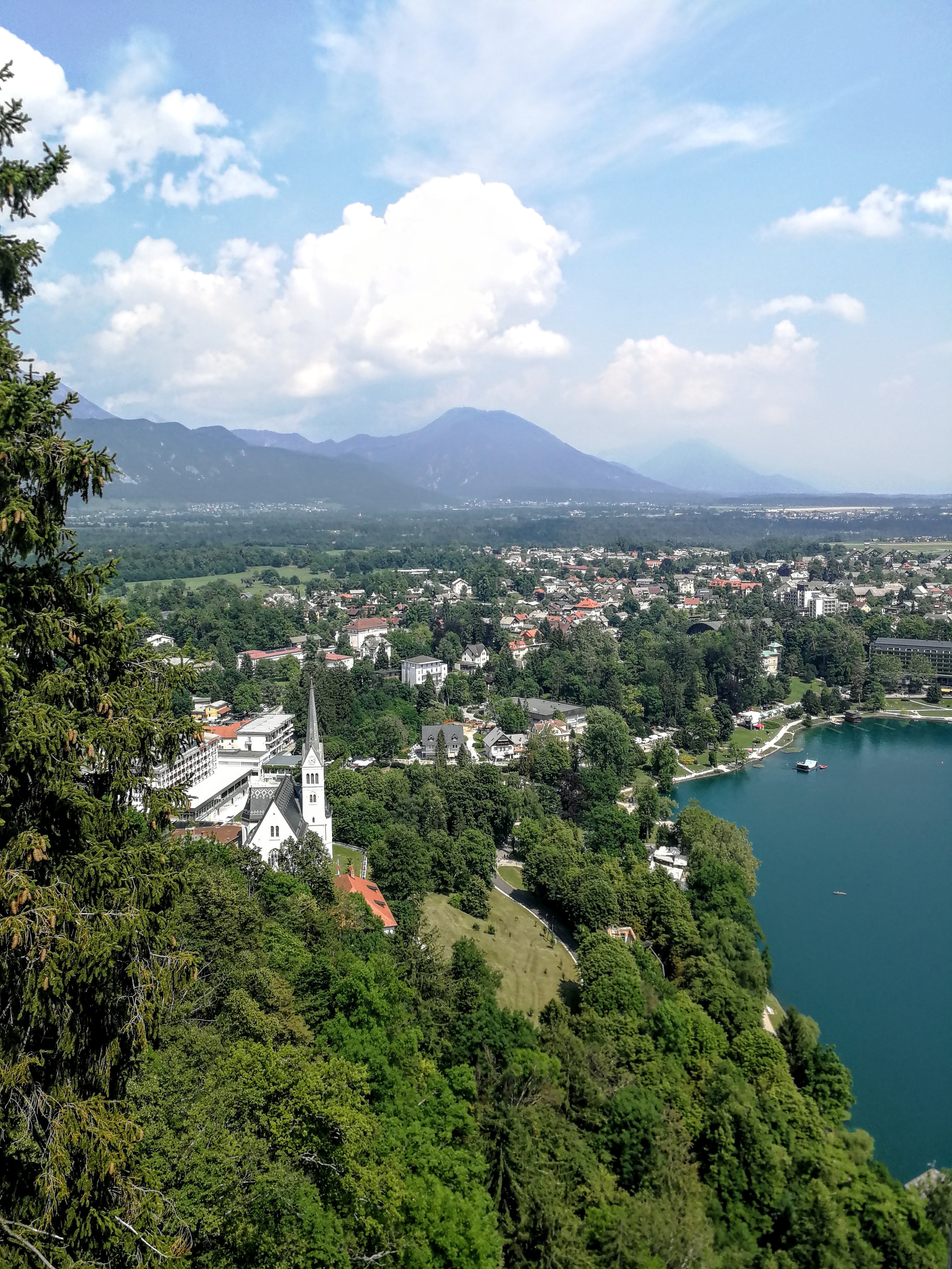
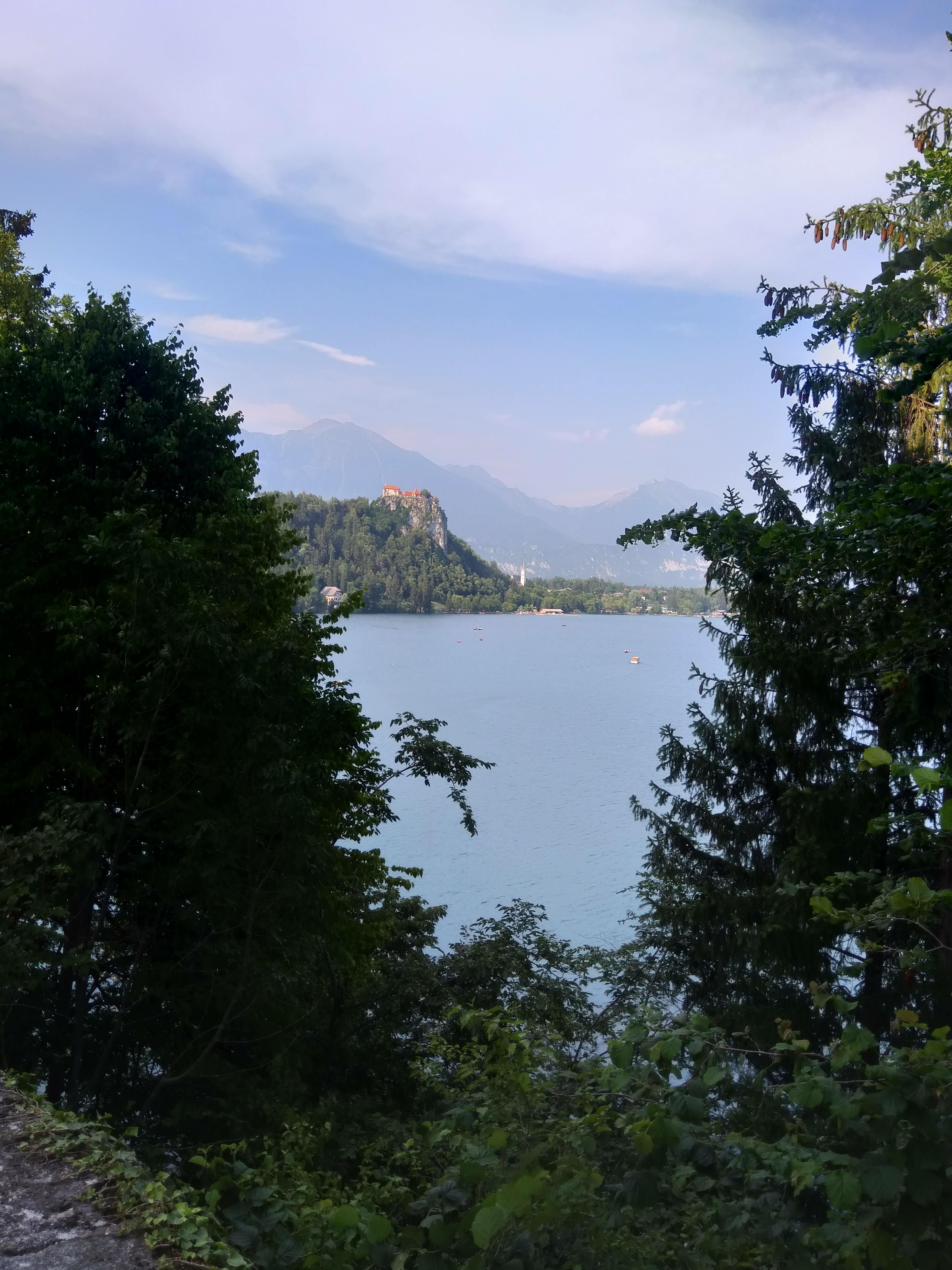
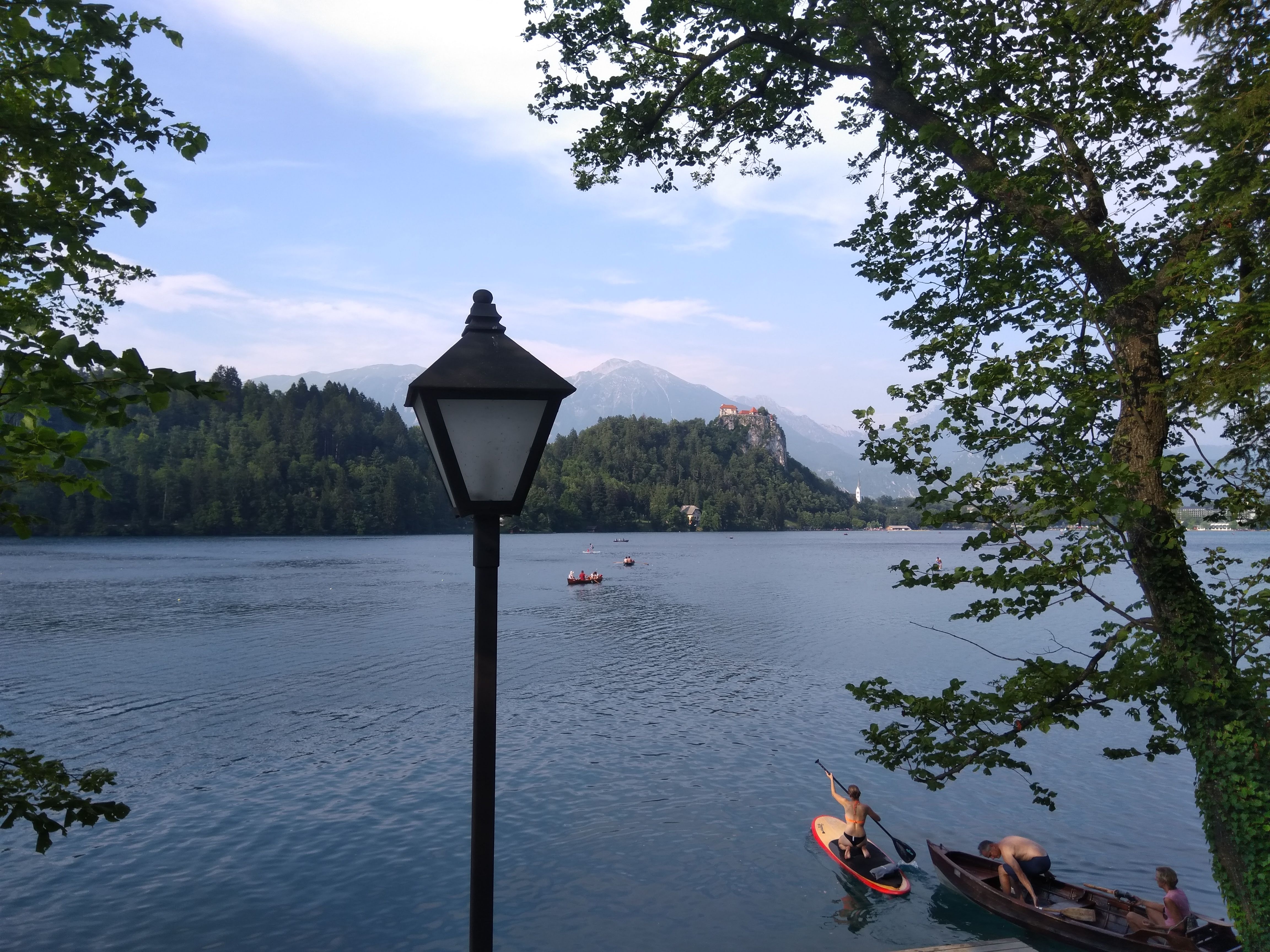
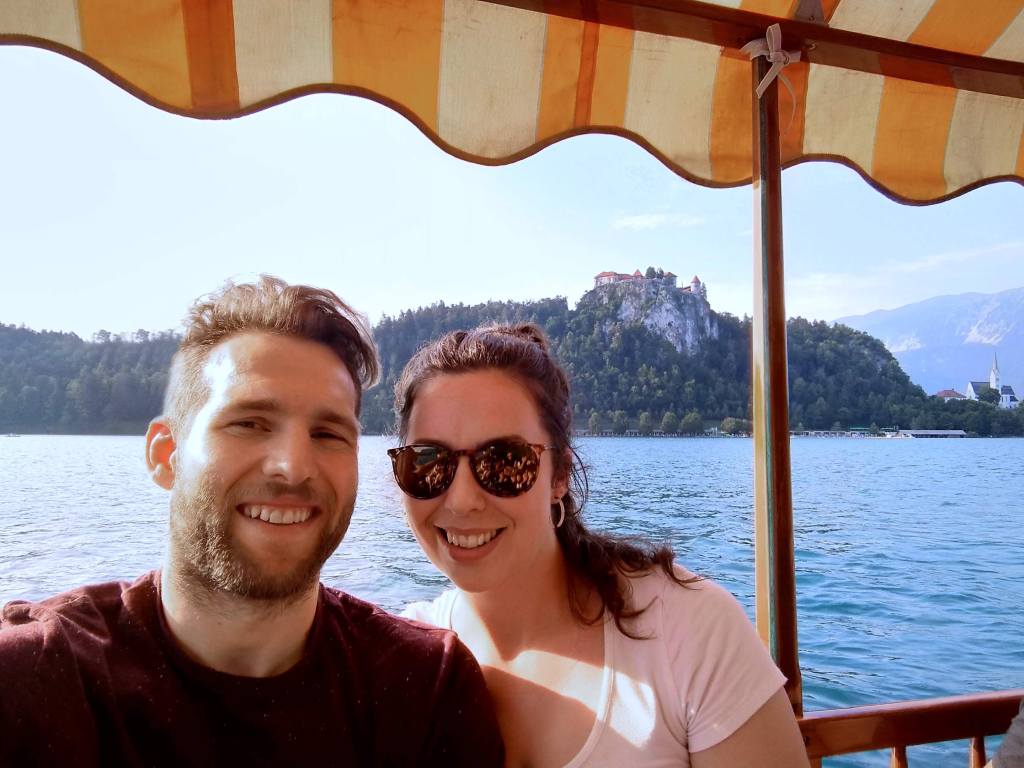
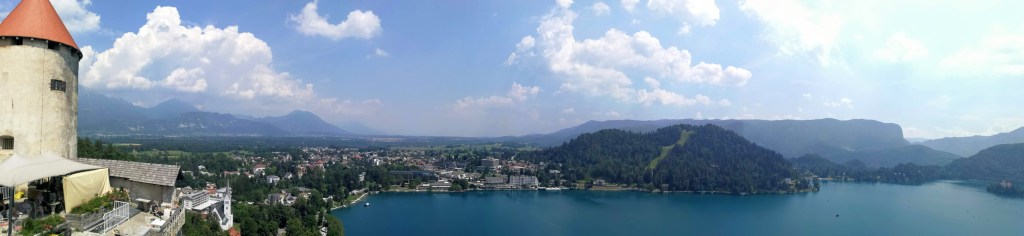
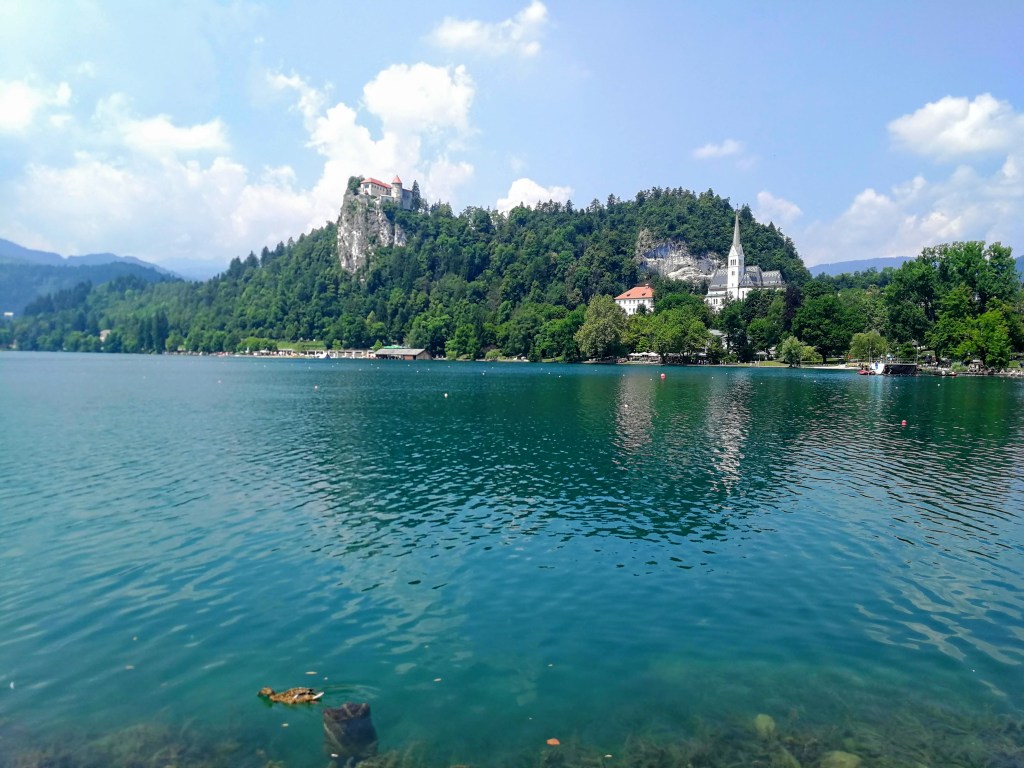
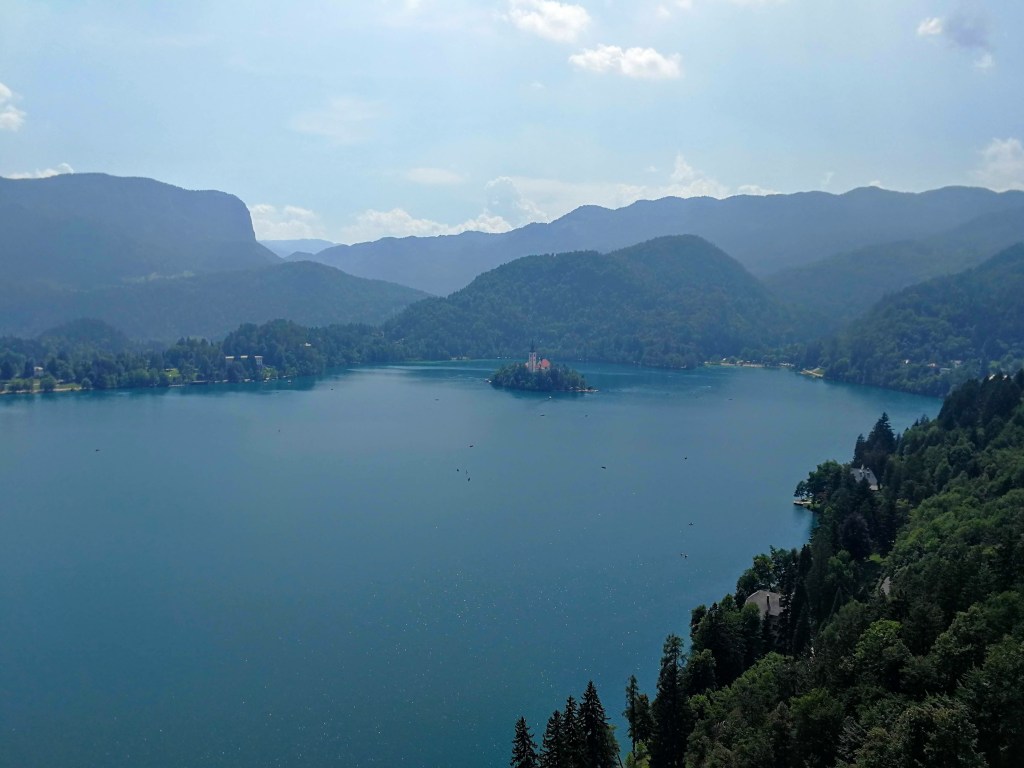
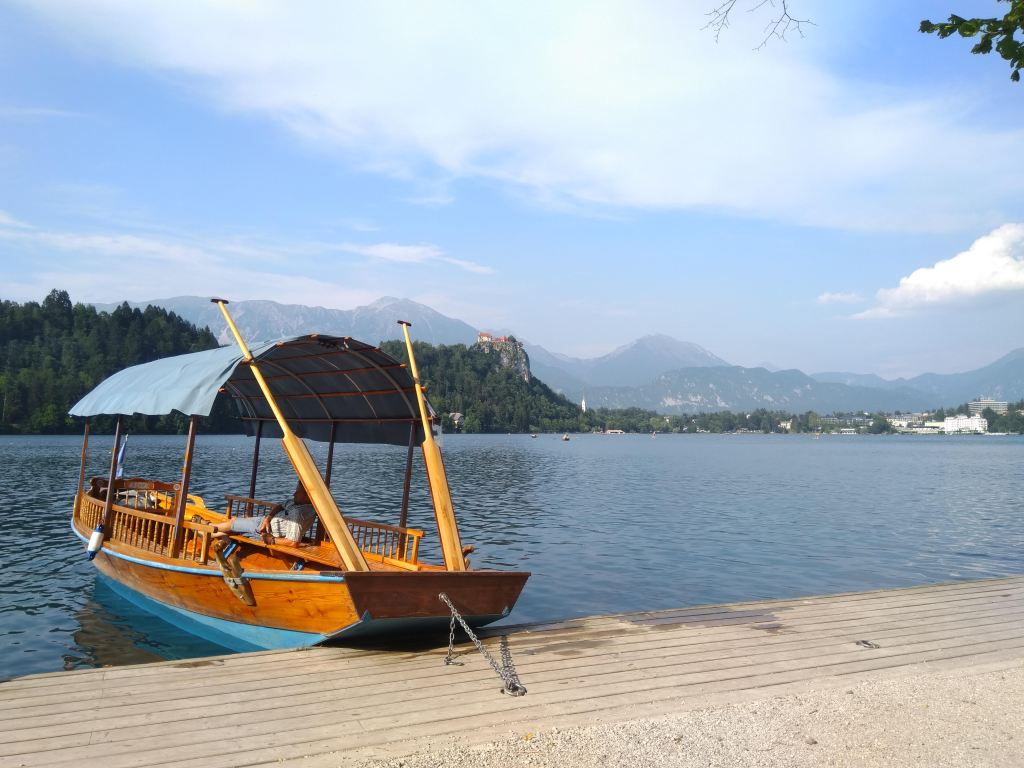
One of the most famous locations that Slovenia has to offer is the breath-taking Lake Bled. Many people who visit the country make this their only stop (though I would argue that, as lovely as Bled is, there is far more to see!). Old folklore tells of how the small island in the middle of a crystal blue lake came to be – apparently fairies used to dance in this valley when it was just grass. When shepherds let their sheep graze there and refused to move them, the land became dry and barren. As punishment, the fairies flooded the area, creating a lake and an island in the middle, where they could continue to dance every night in peace.
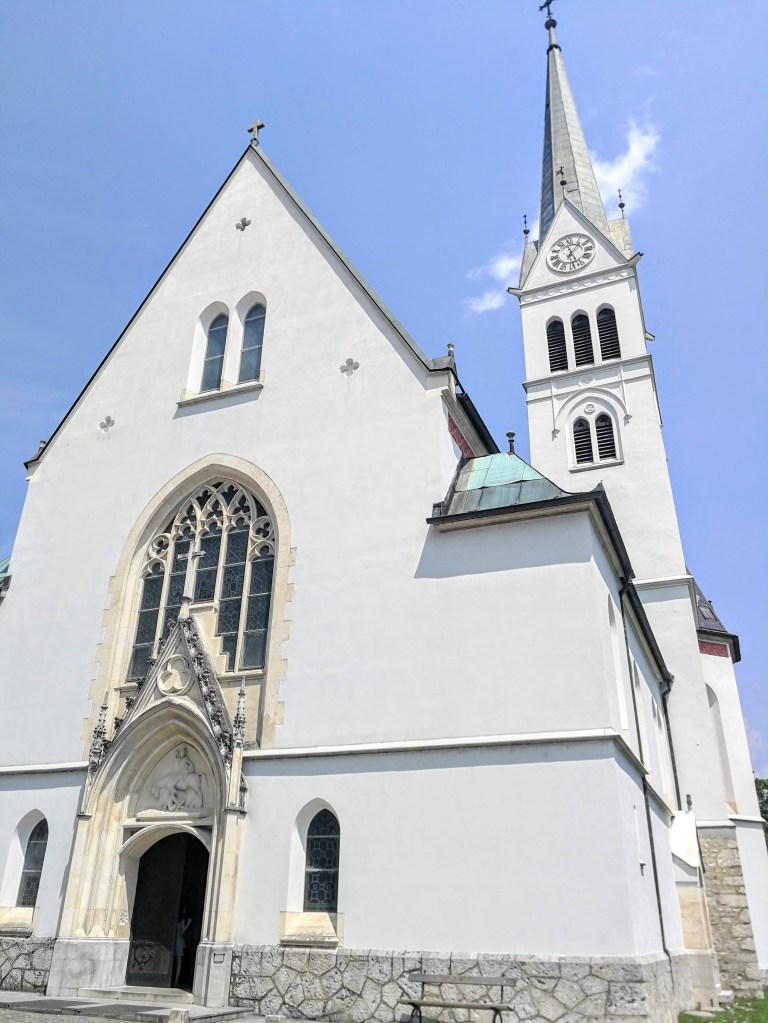
The main street in the nearby township is very charming, with an almost “Swiss chalet” vibe. Knowing how popular this destination is, I was expecting to find it very touristy, but it felt relaxed and peaceful, and as though it hadn’t really “sold-out” to large corporations that could easily overrun the surrounding hills and cash in on the tourism. Apart from one small area of more tacky souvenir shops before the main street, most of the stores are locally-owned boutiques full of handmade or locally-sourced products such as schnapps (pear and blueberry are Slovenian specialties), honeys, and alpine teas made from the flowers and herbs grown on the Bled country/mountainside. When Matt moved back to New Zealand, he brought me back some alpine tea from his recent trip to Lake Bled. I loved it so much and made it last as long as I could, so we knew we needed to revisit the store he bought it from and pick up some more!
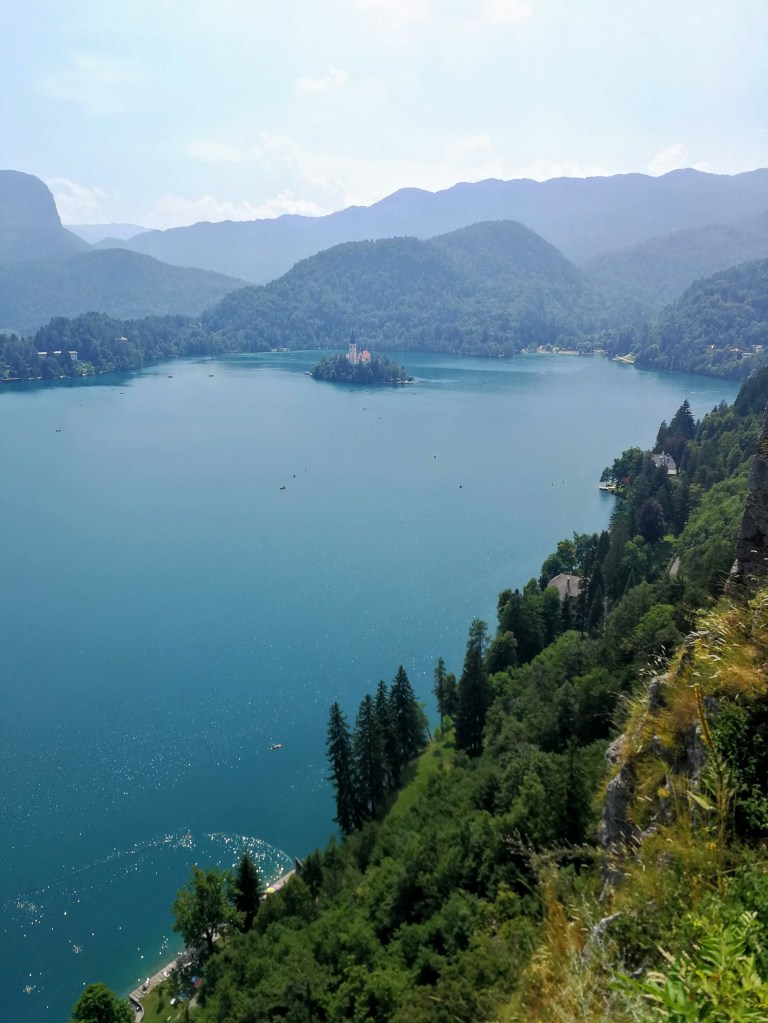
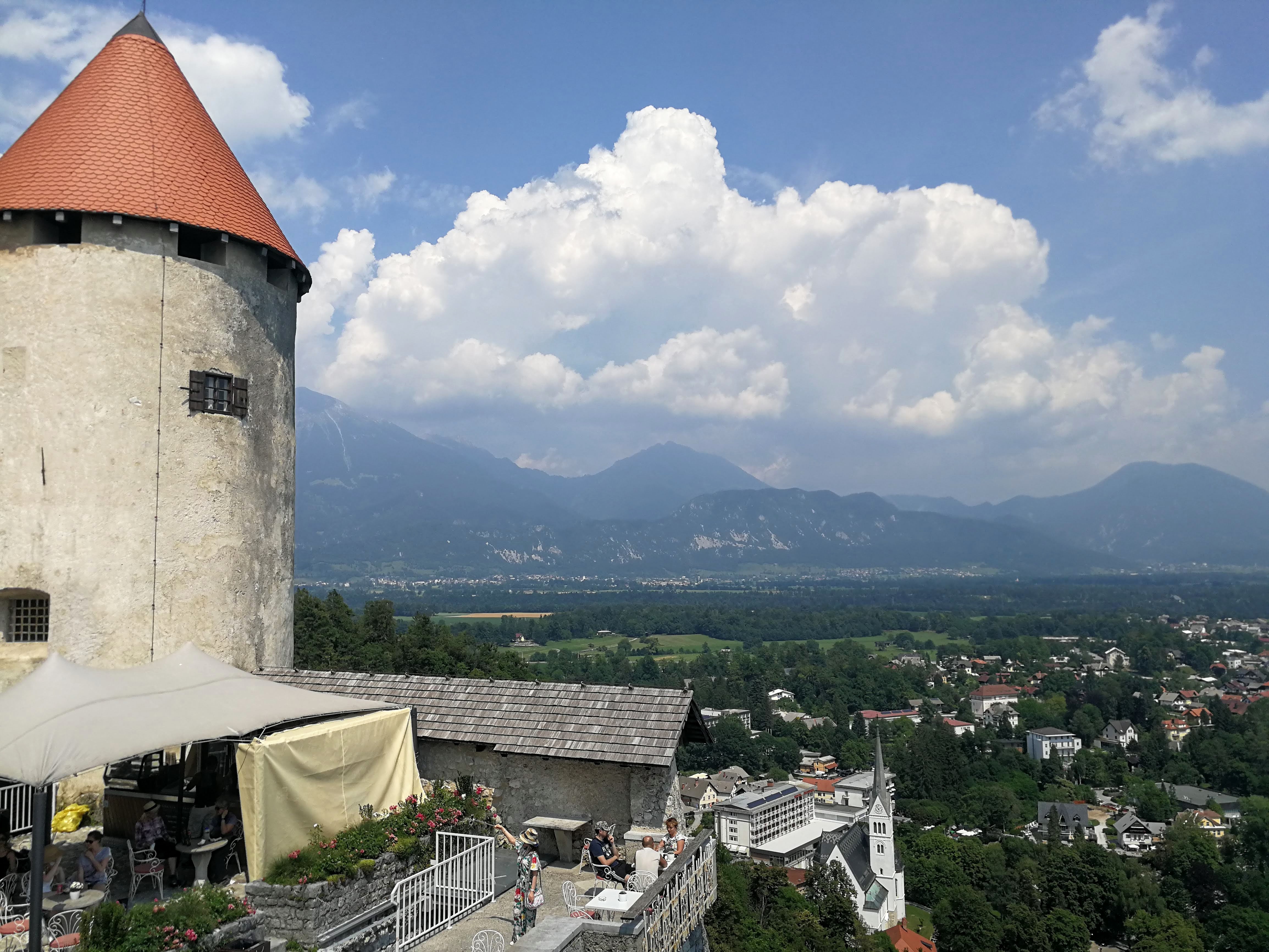
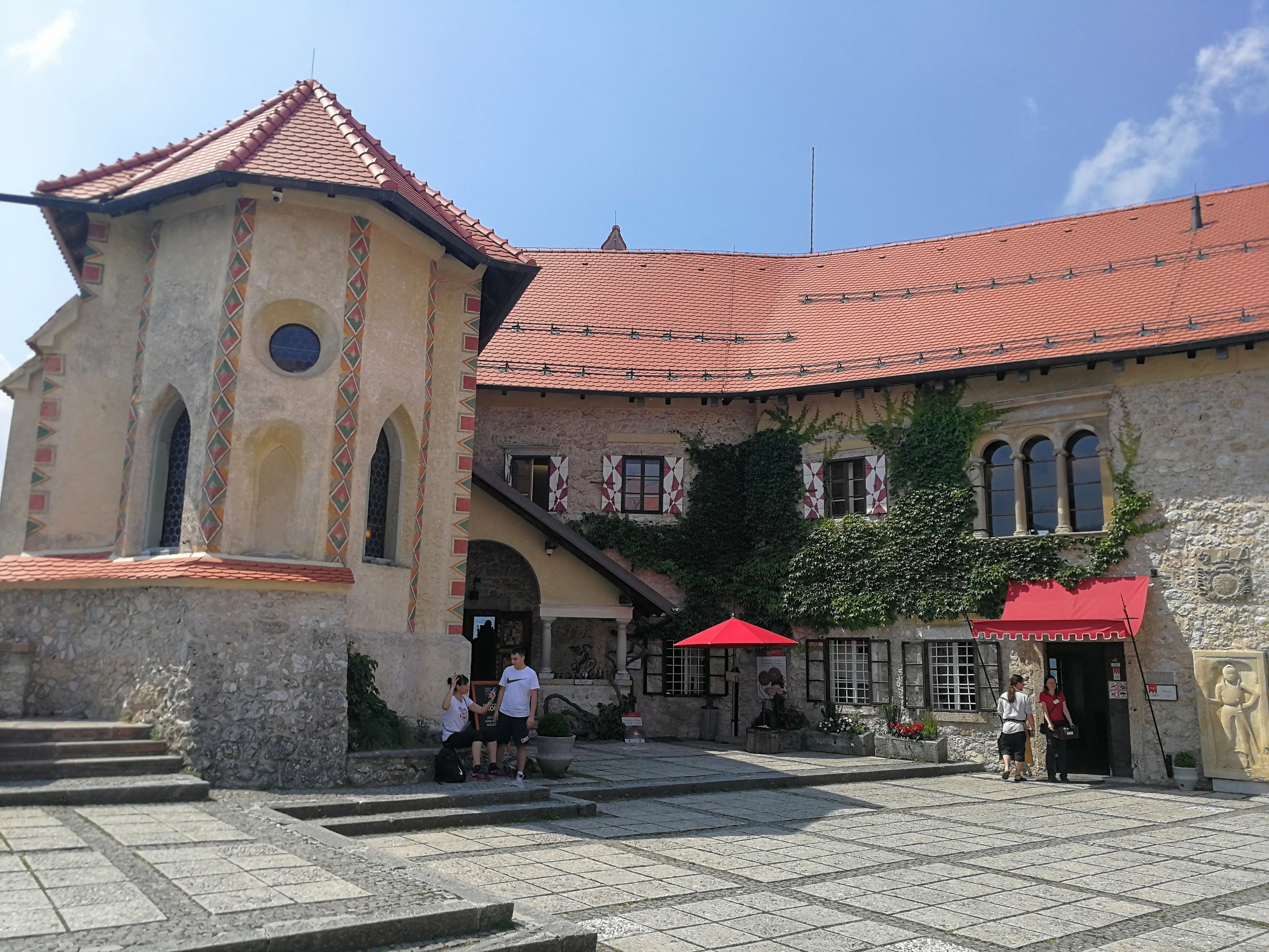
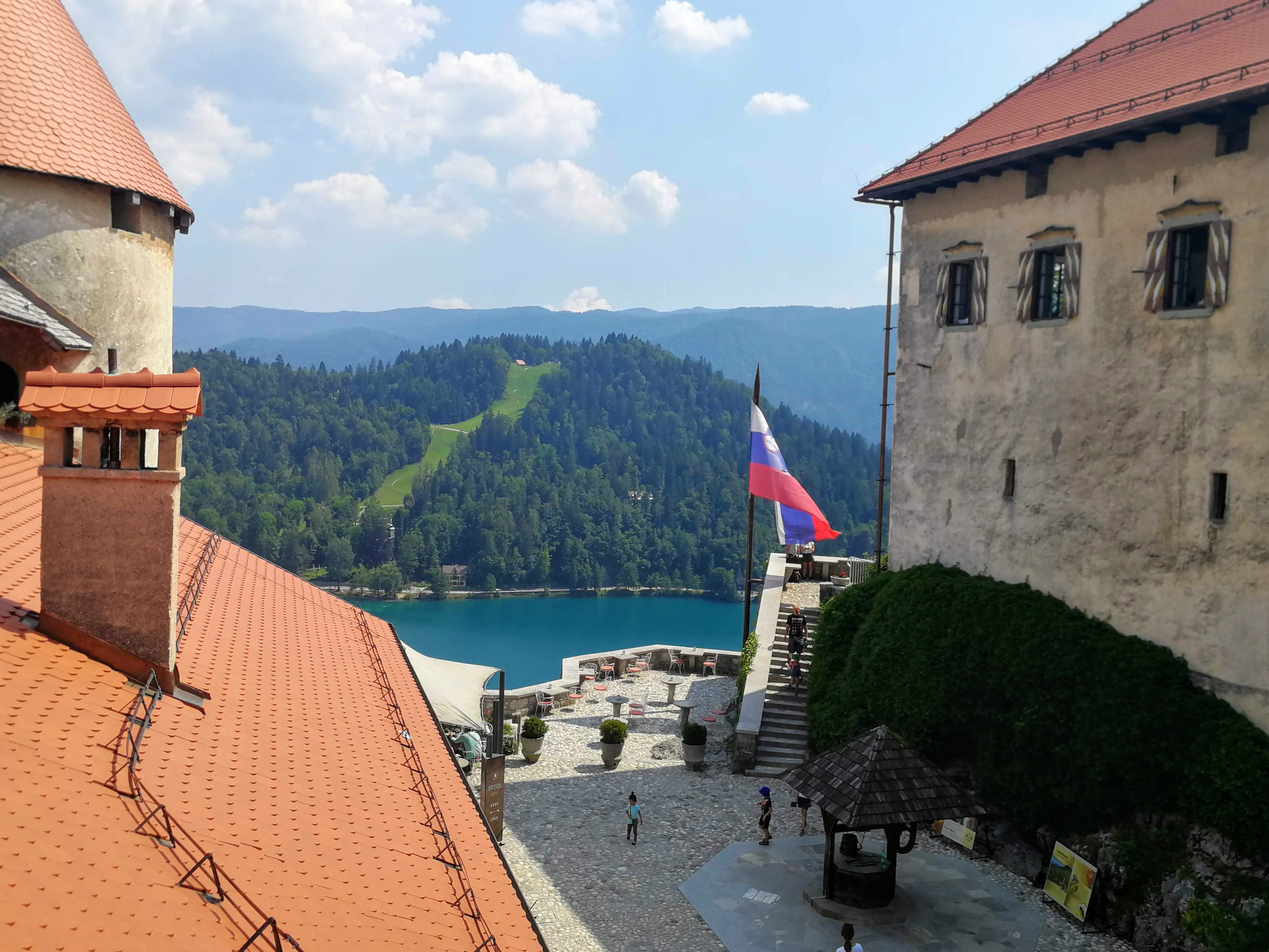
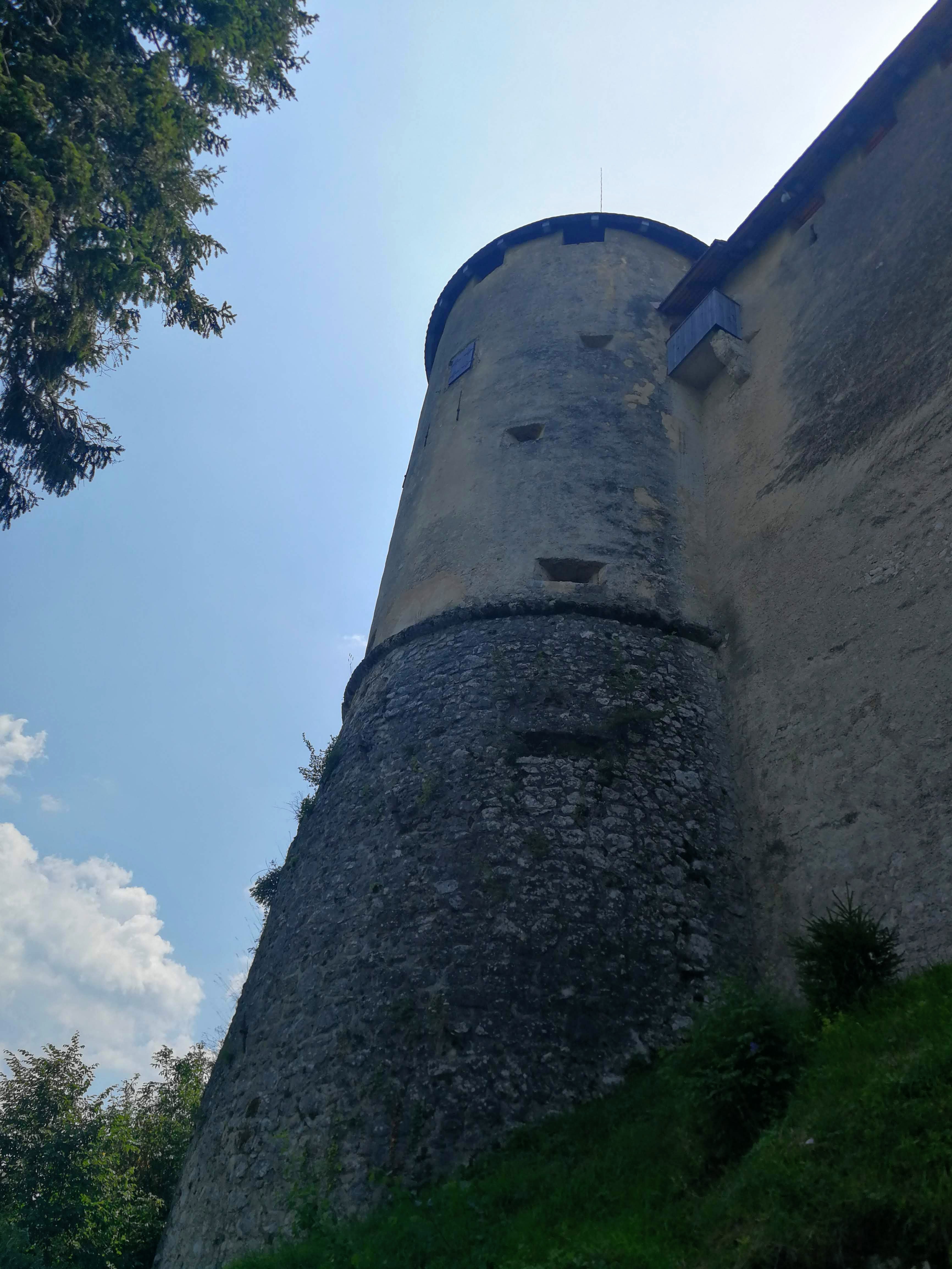
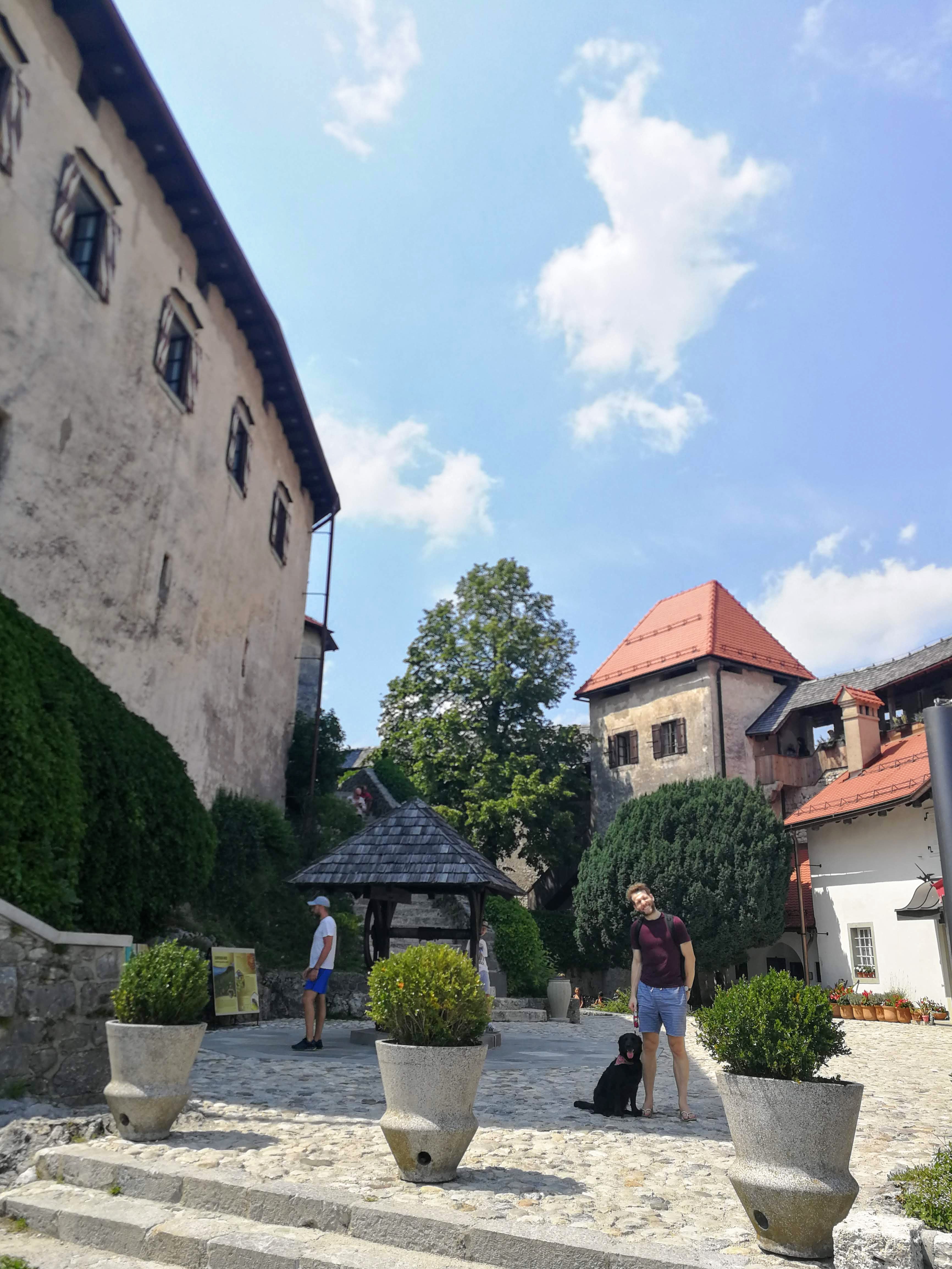
To get a great view, you can walk (or taxi if you’re not keen on walking) to the top of the hill where Bled Castle is perched over-looking the turquoise waters. The castle is the oldest in Slovenia, with first records of it mentioned in 1011. The views are well-worth the walk and you can also enjoy interactive exhibitions of medieval craftsmanship (e.g. a forgery, printing works and wine cellar, etc.) or the restaurant.
One of our favourite parts was actually just sitting and enjoying the view itself. We meandered around the lake for a good portion of the day and there are plenty of shady trees to sit under or restaurants to eat at right on the lake-side. One thing that every visitor must try is the famous Kremšnita cake (also known as Kremna Rezina). Although originally Croatian, the recipe was made famous in Bled by the former pastry chef at the Hotel Park Cafe. This is THE place to try the sweet pastry treat, though many cafes and restaurants will also serve their version of it also.
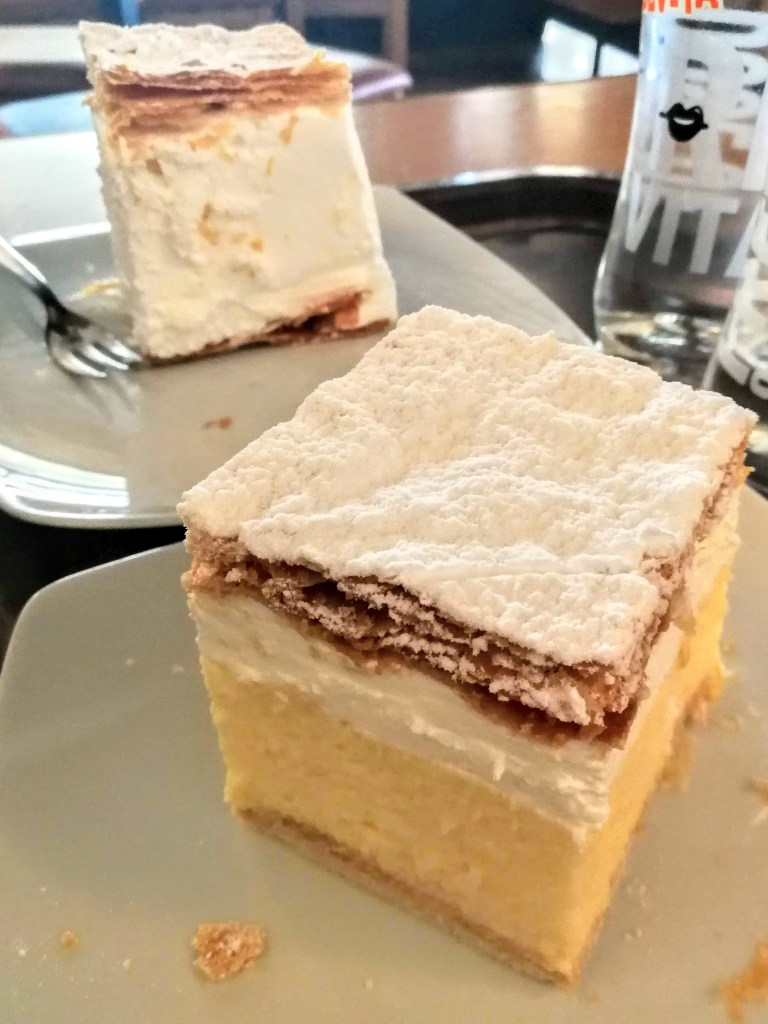
Kremšnita is made from puff pastry, chantilly and custard cream.

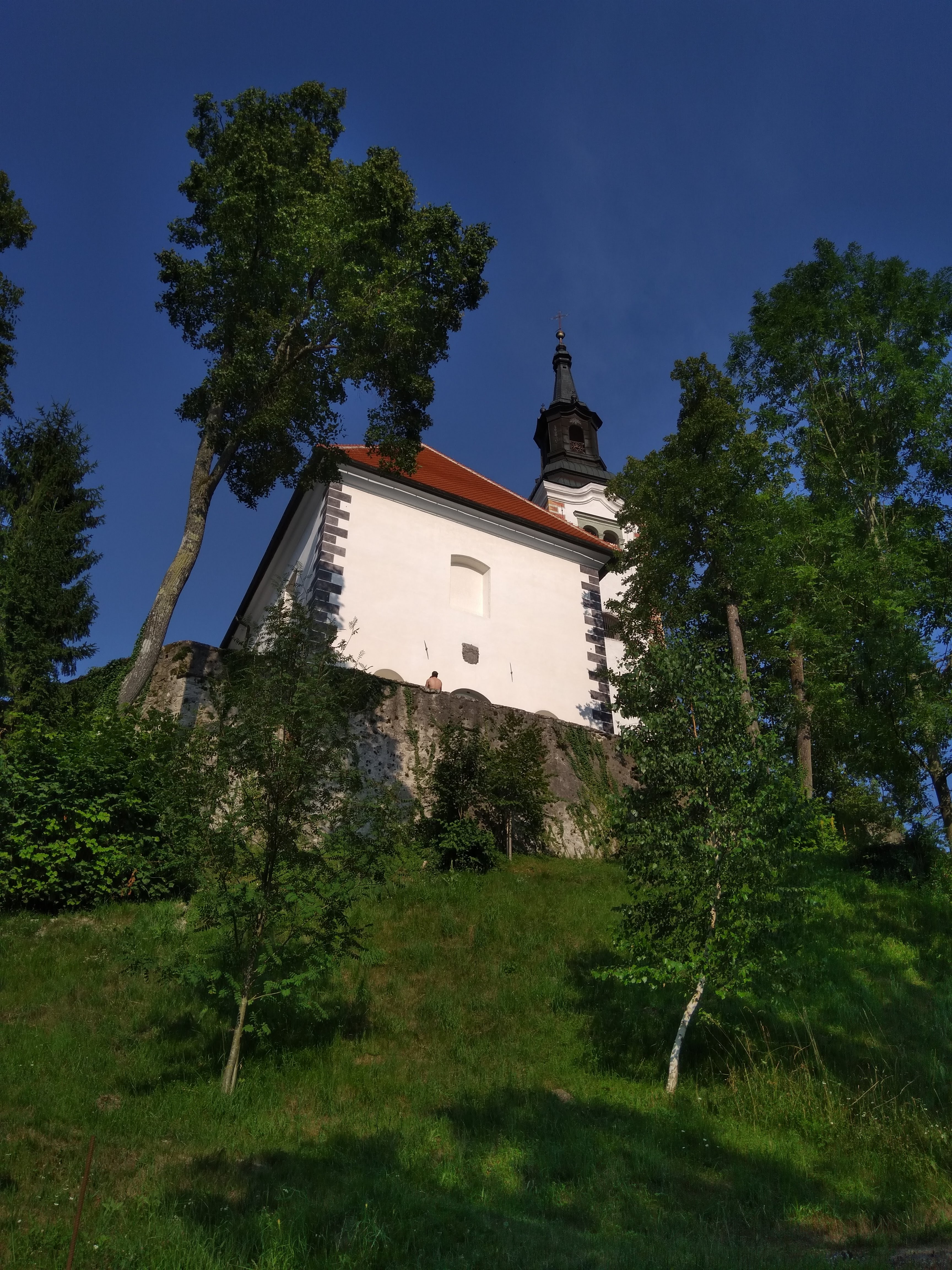
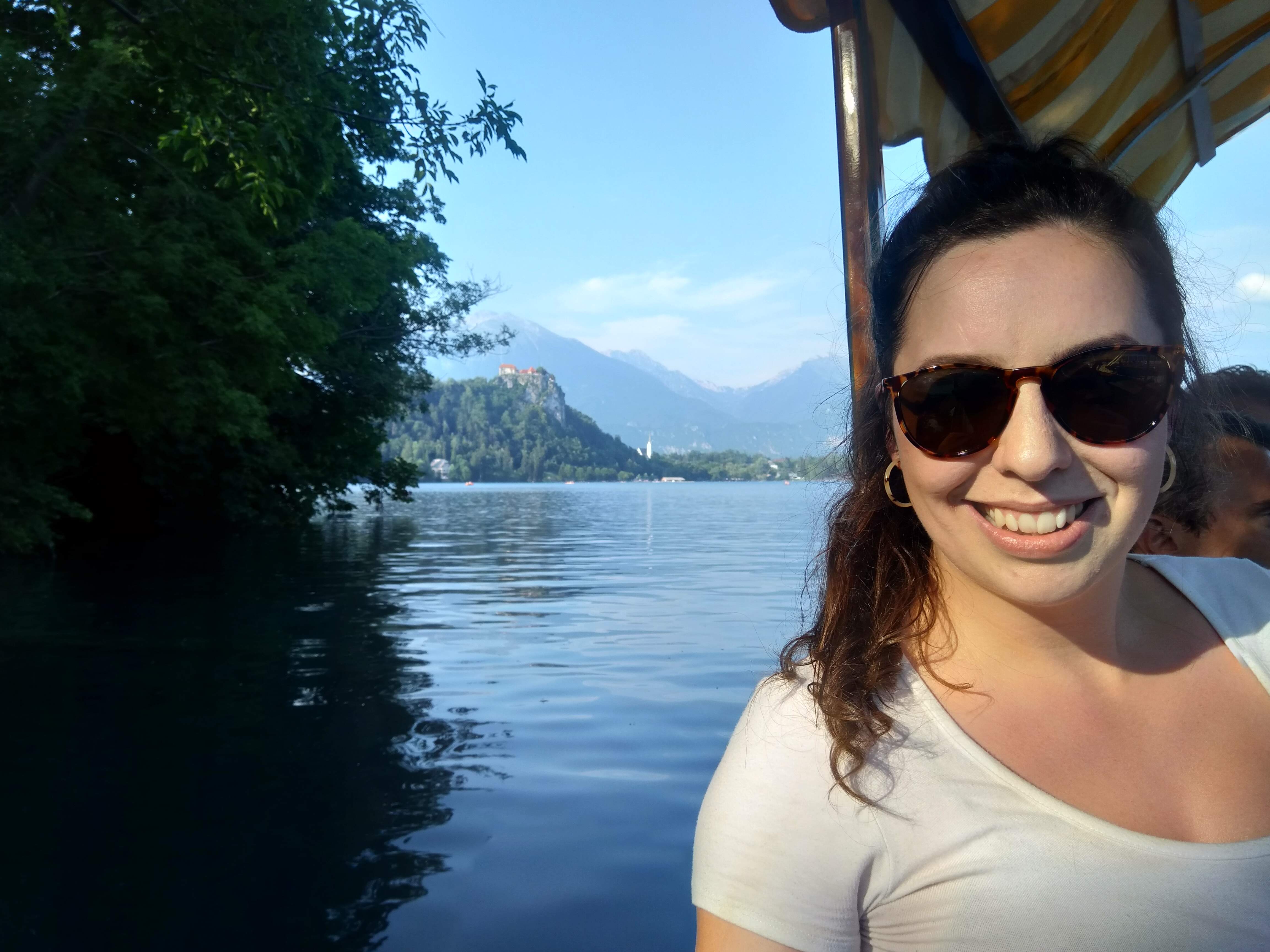
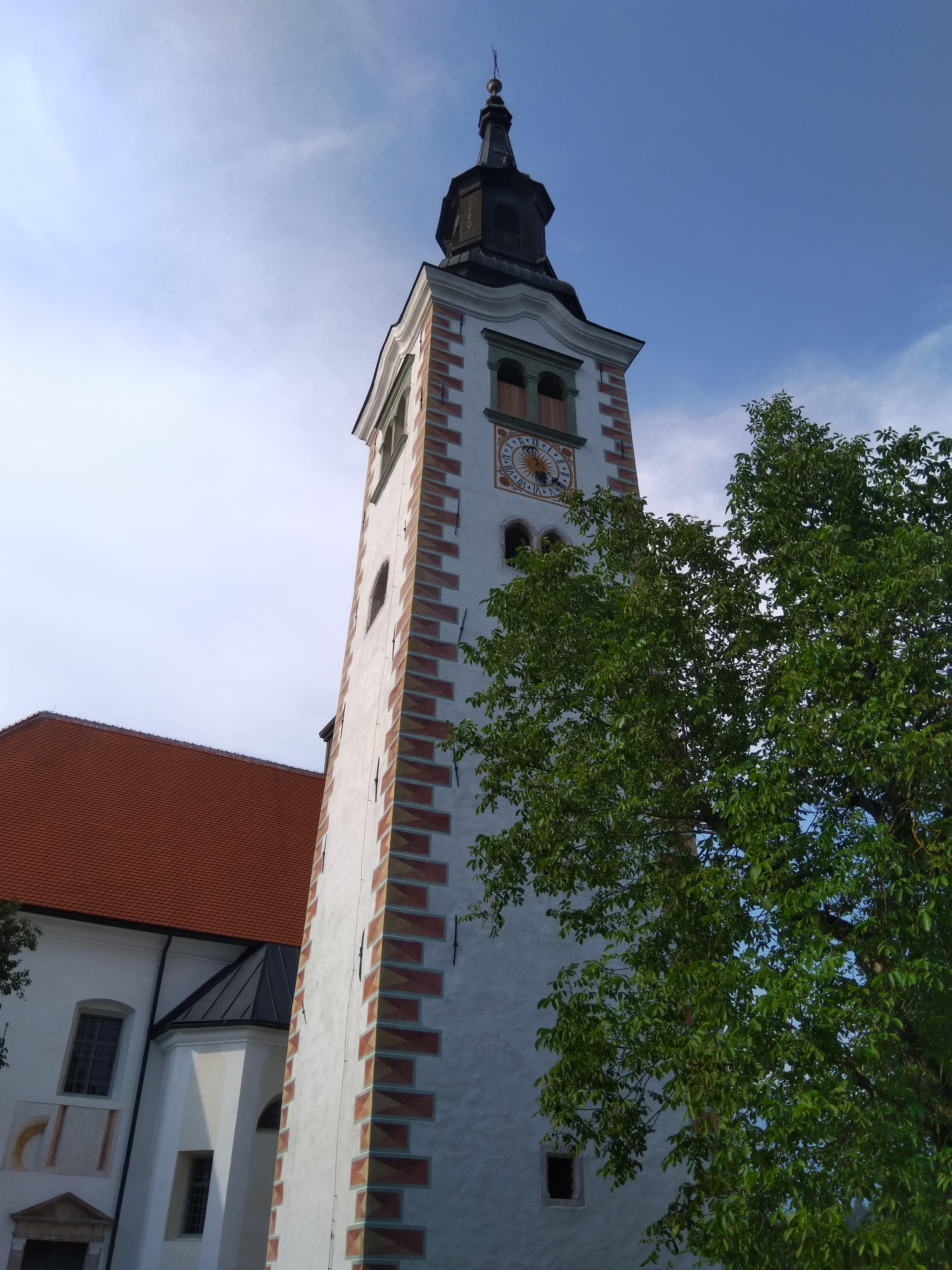
Traditional boats, known as pletnas, make the trip back and forth between the mainland and the island throughout the day (up until about 5 or 6pm. They’re also dog-friendly!). Personally, we found the actual boat trip itself, and the view from it, more exciting than the island. It is small and can be circumnavigated within about 10mins, though walking at a leisurely pace and stopping at the picturesque views is more pleasant. Despite the “no swimming” signs, many swim and take kayaks out to and from the island. It was lovely to sit on the jetty, dip our toes in the cool water and savour the tranquility of the landscape Apart from a few small buildings (for the chaplain and the provost), the small chapel is the main symbol of the island. The Church of the Mother of God on the Lake can be entered and its bell tower climbed for a small entrance fee.
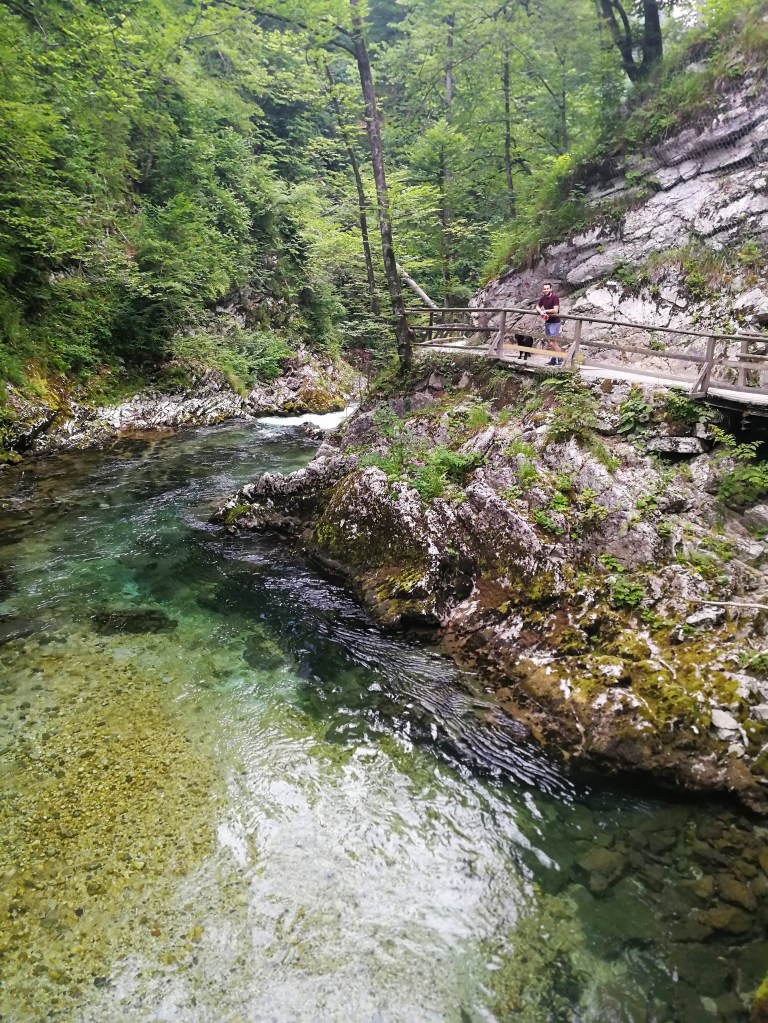
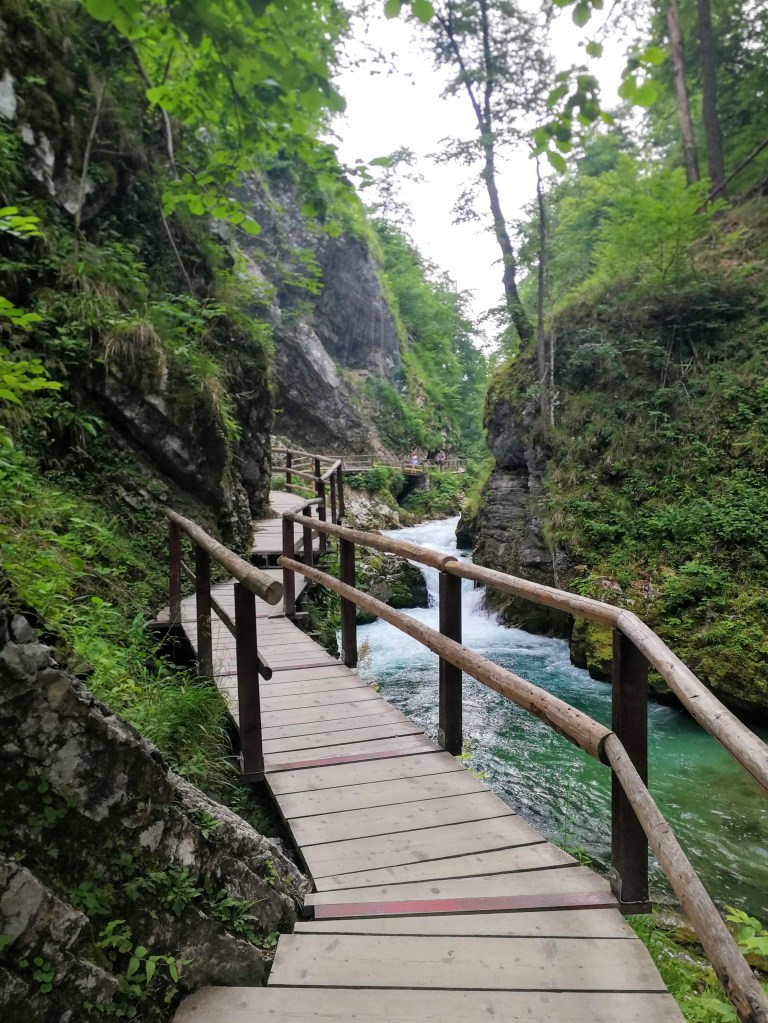
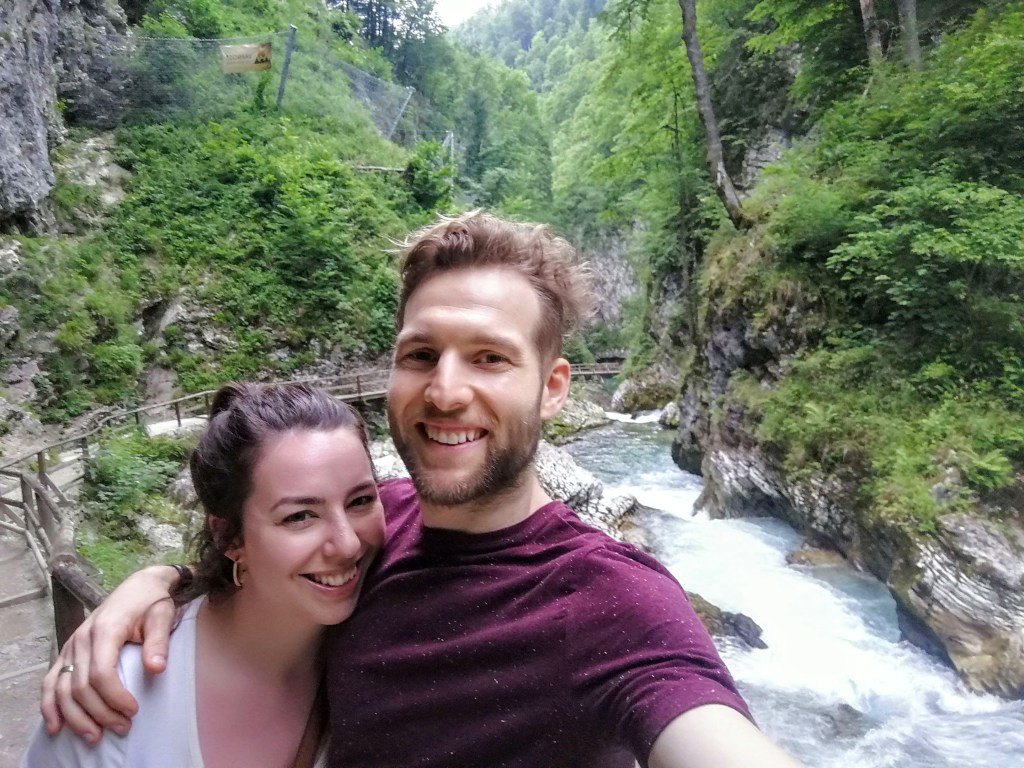
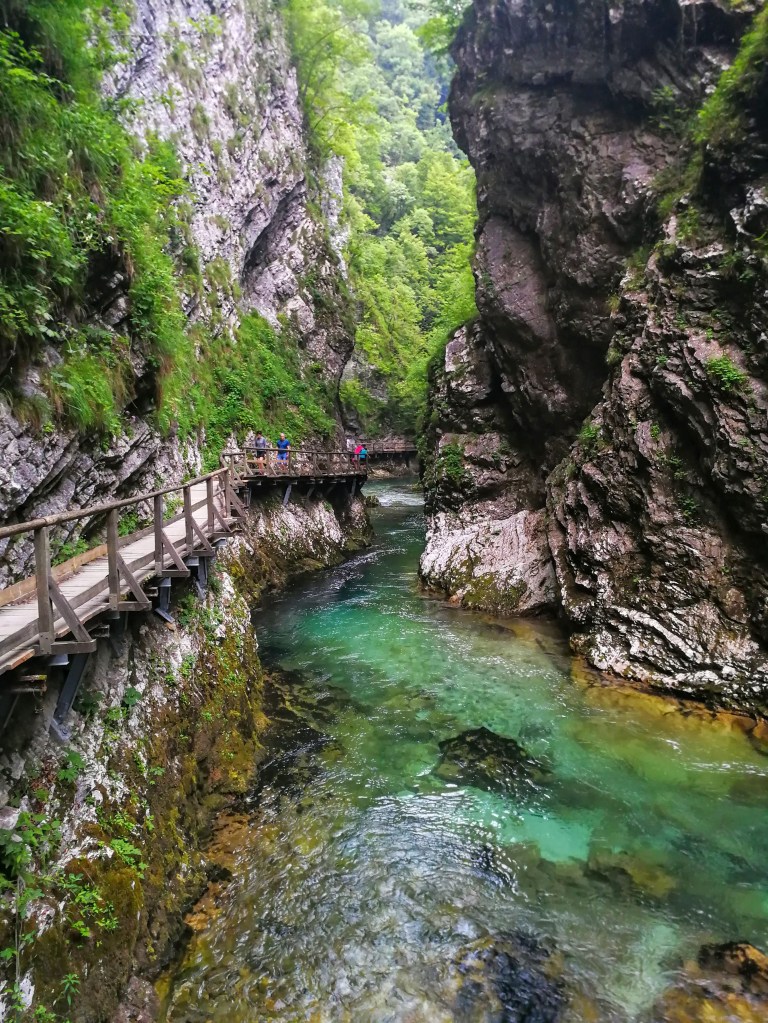
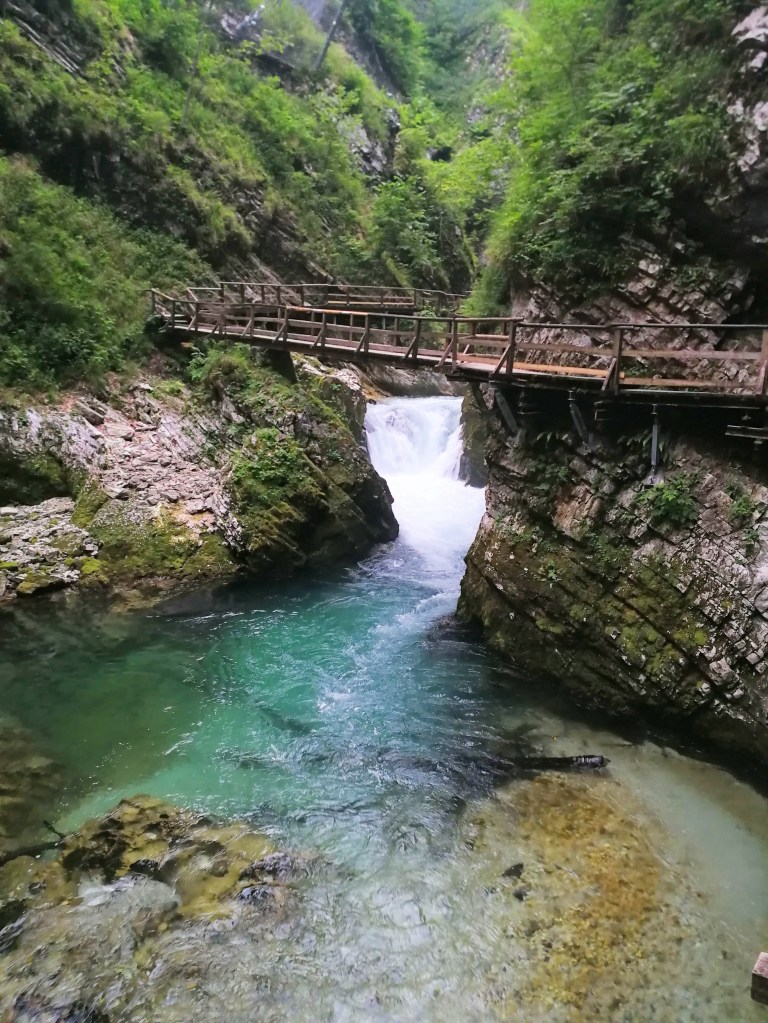
A short drive from Bled is the Soteska Vintgar (Vingtar Gorge). This is absolutely worth the detour. It can get very busy during peak season, however we went near the end of the day, so there weren’t many people around and it was easy to find a park. The gorge follows the Radovna River, which has etched a narrow path into the lush terrain. The walkways usher you back and forth over the river, across bridges and small wooden boardwalk that hang out over the rapids below. I appreciated the fact the most of the infrastructure was wooden, as it felt like it didn’t compromise the view as much as large steel suspension bridges could have. The walk itself is fairly flat and easy. Vingtar Gorge is a magical immersion in nature that is unmissable.
Celje + Šempeter

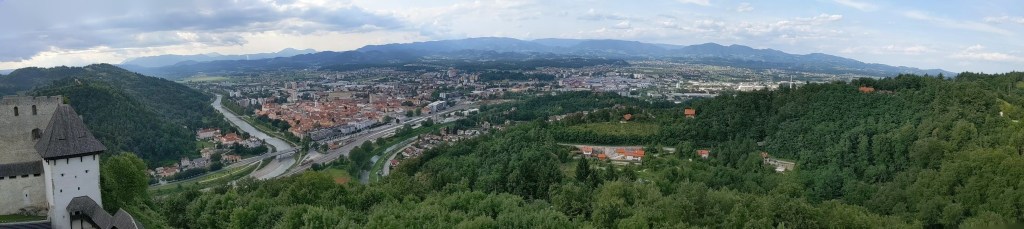
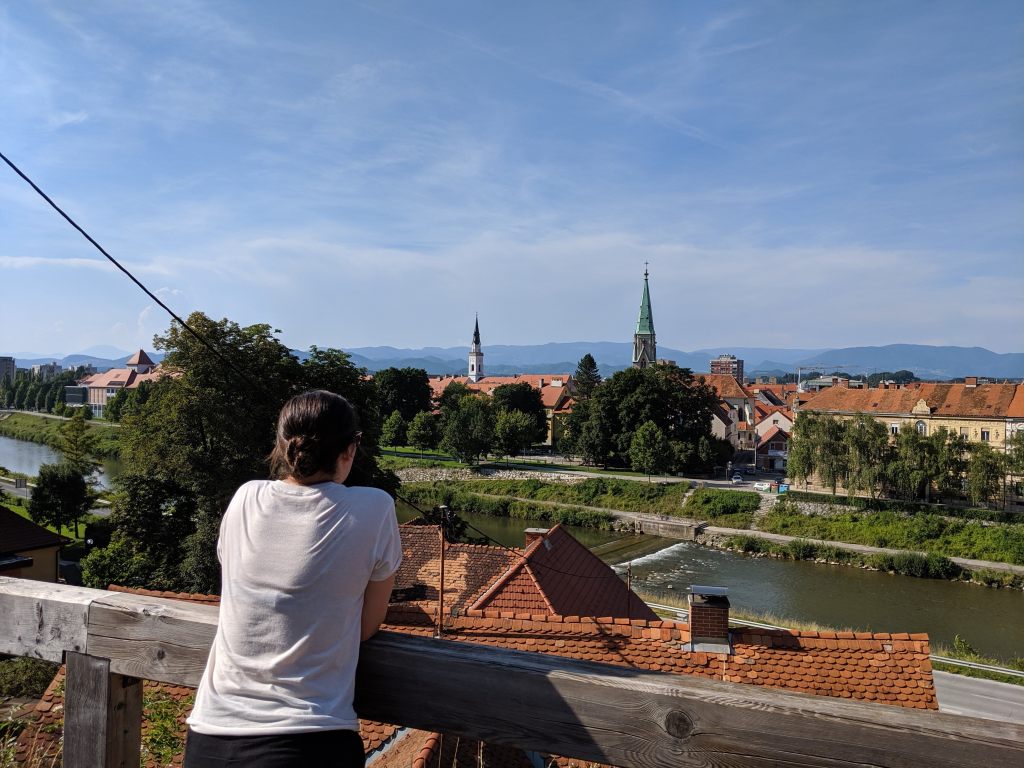
The quiet town of Celje from the Celje Castle tower.

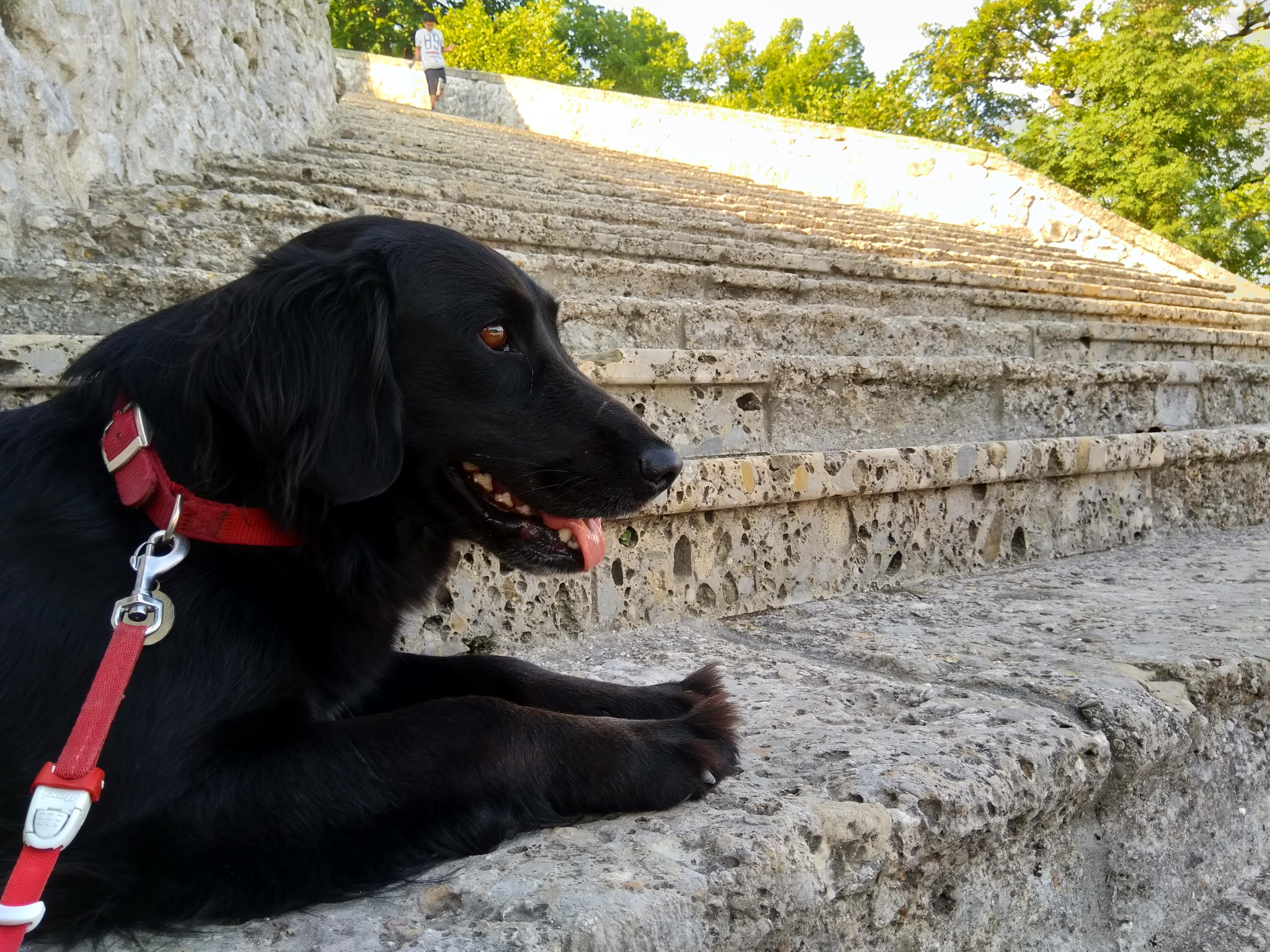
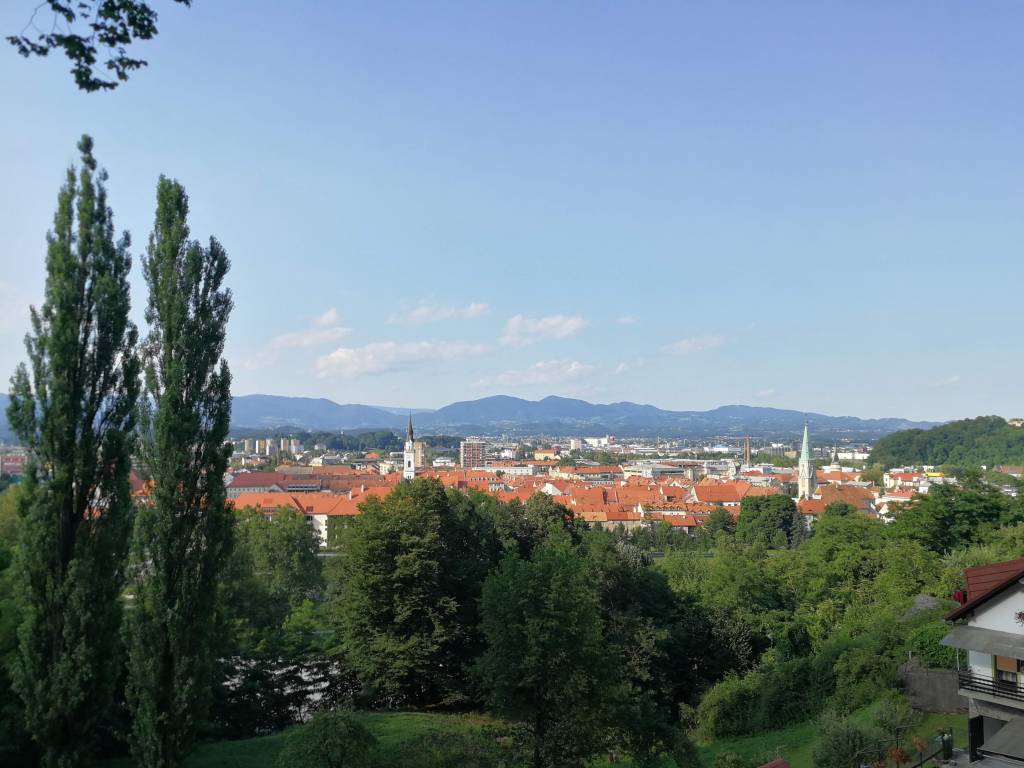
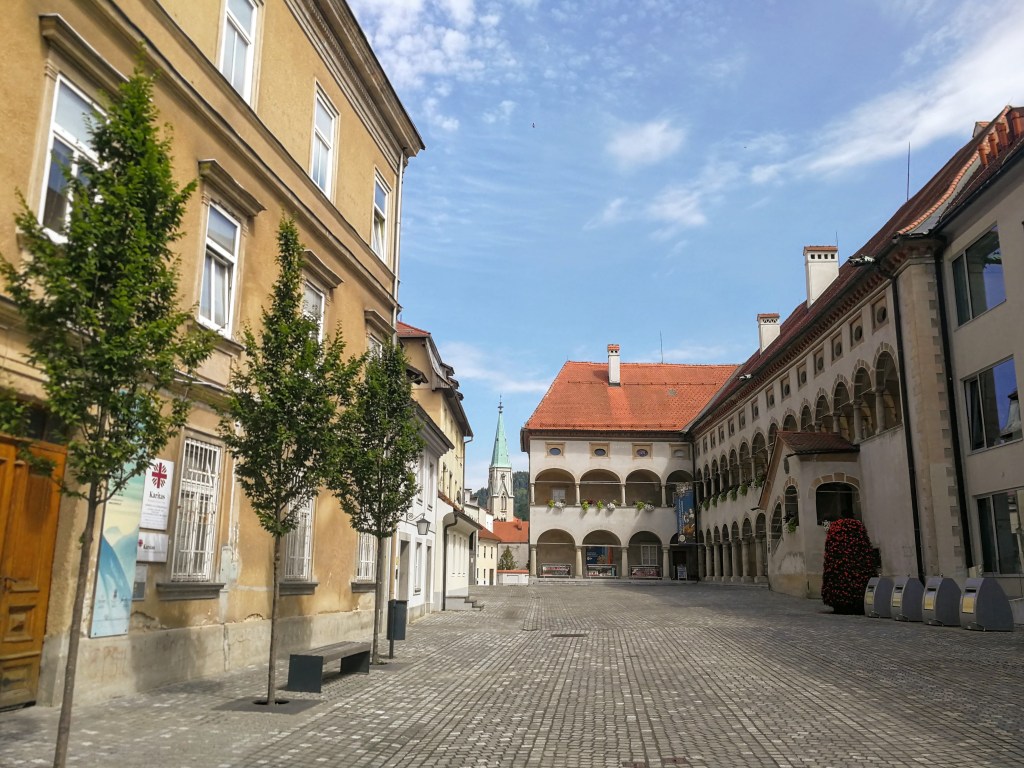
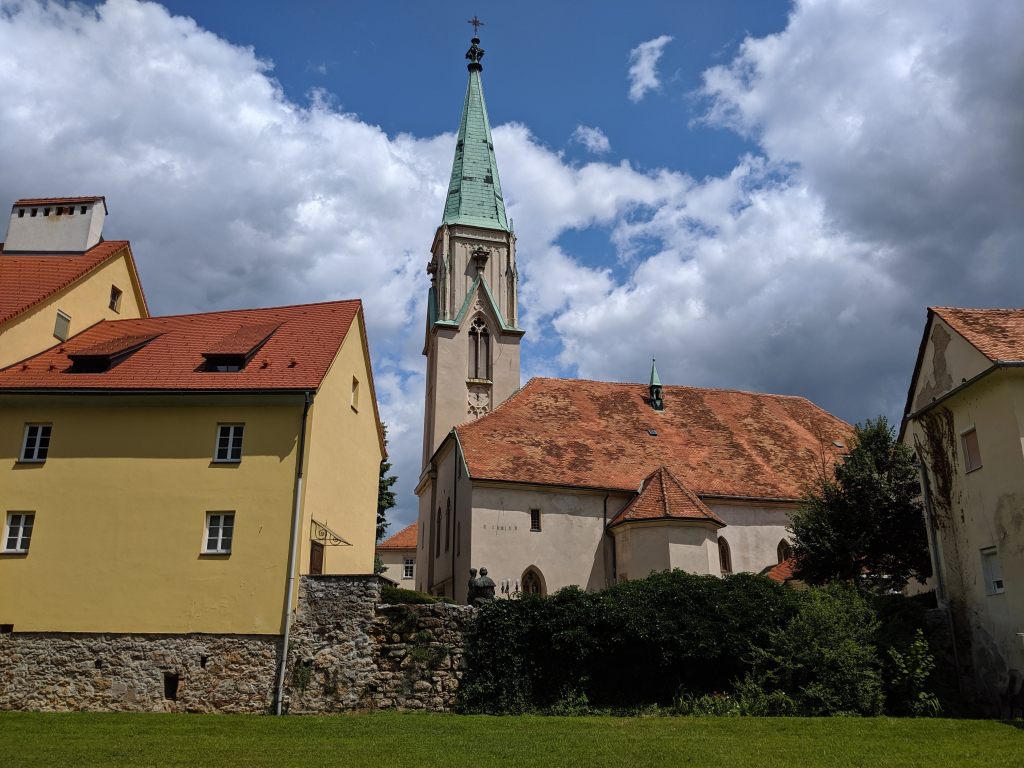
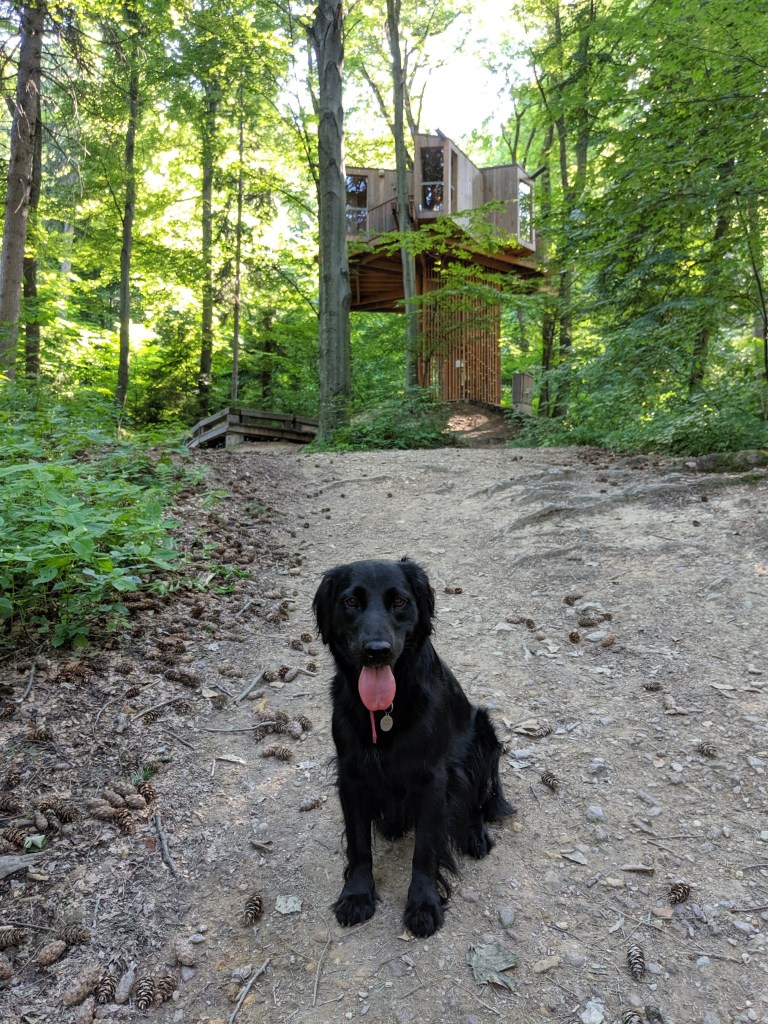
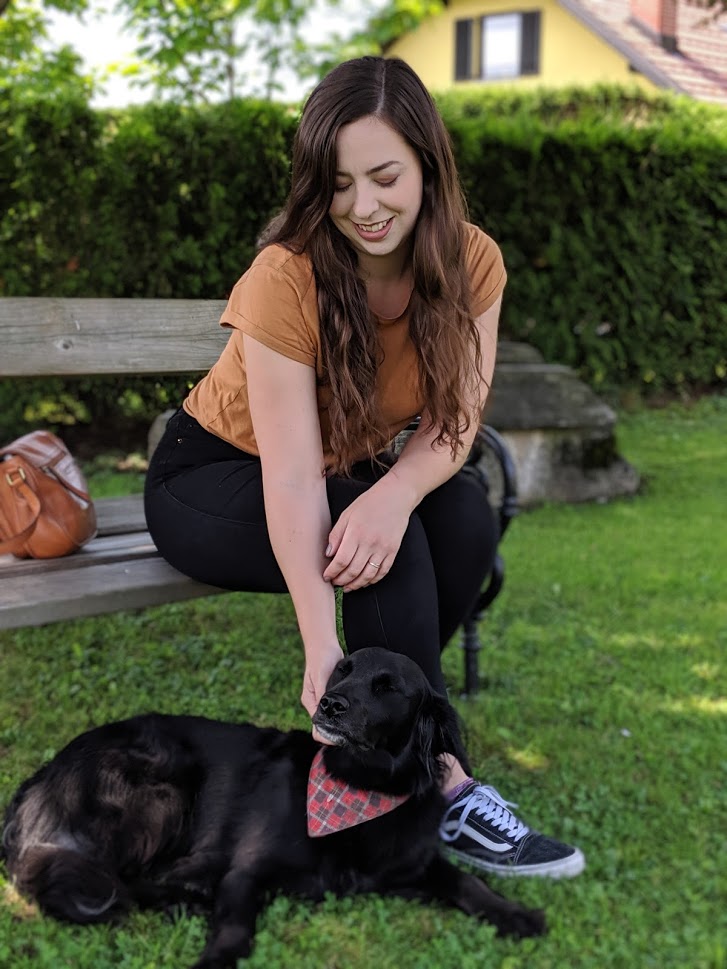
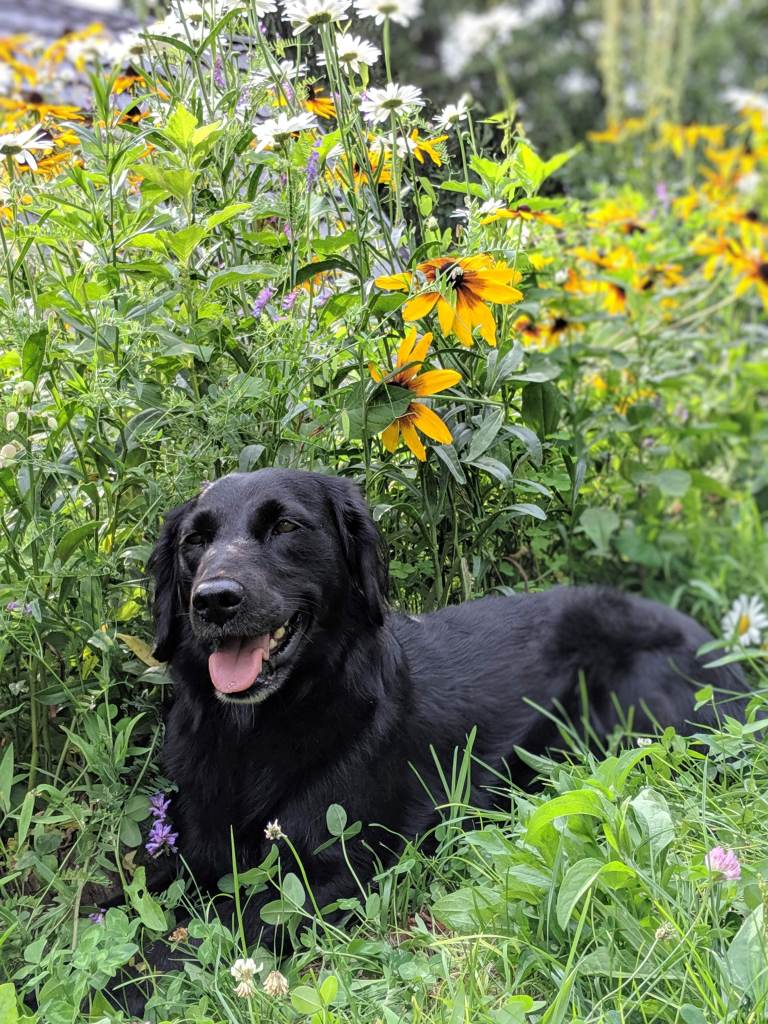
Our first house-sitting experience was up in the Slovenian hills looking down on the small town of Celje; home for the next 3 weeks. Though it’s Slovenia’s third-largest town, it has a population of less than 40,000, so it feels like basically everyone knows everyone, and each other’s business. The town itself is quaint and historical, and we walked down and back up the steep hill most days accompanied by the dog we were looking after.

One of our biggest hurdles has been making sure the internet is suitable for our work needs. Being able to work via internet is a huge advantage for us in regards to making it possible for us to do this whole ‘house-sitting’ thing, however, we have come to realise that, unfortunately, you cannot rely on the internet being fast enough for our needs, and you cannot rely on the house-sitting host to always fully understand what “fast upload speed” means. That being said, we (I mean Matt, really) have always figured out a solution in the end. Our house-sit in Slovenia ended up having internet only marginally better than dial-up, but thankfully the cell data plans were big enough to accommodate our usage.
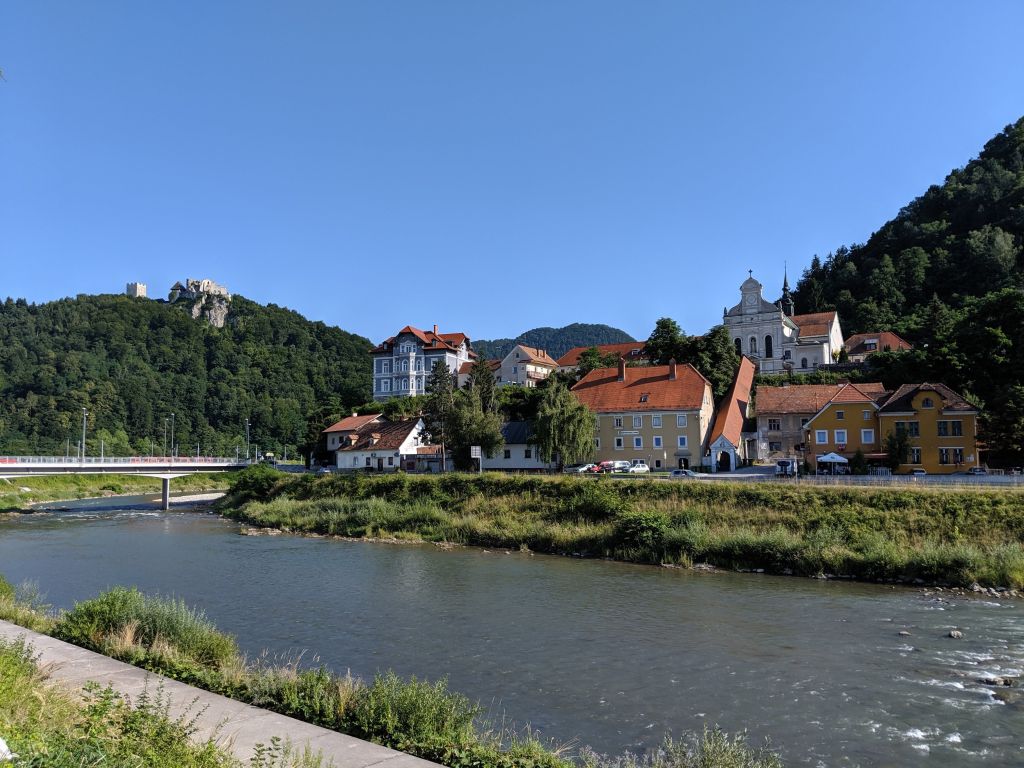
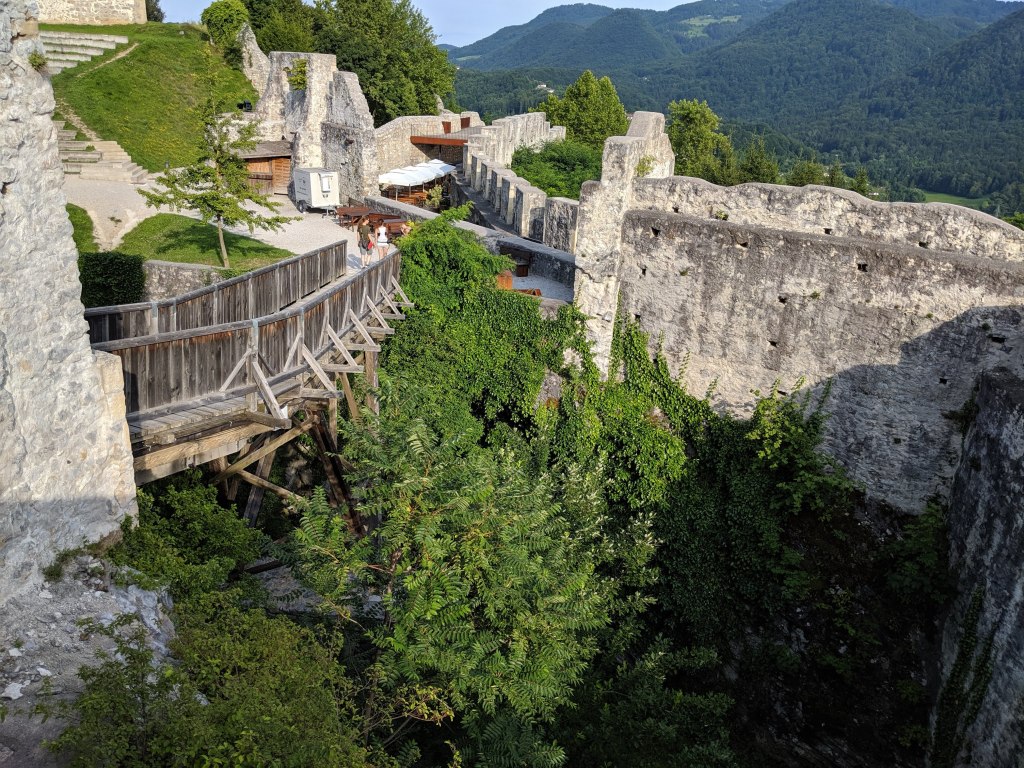
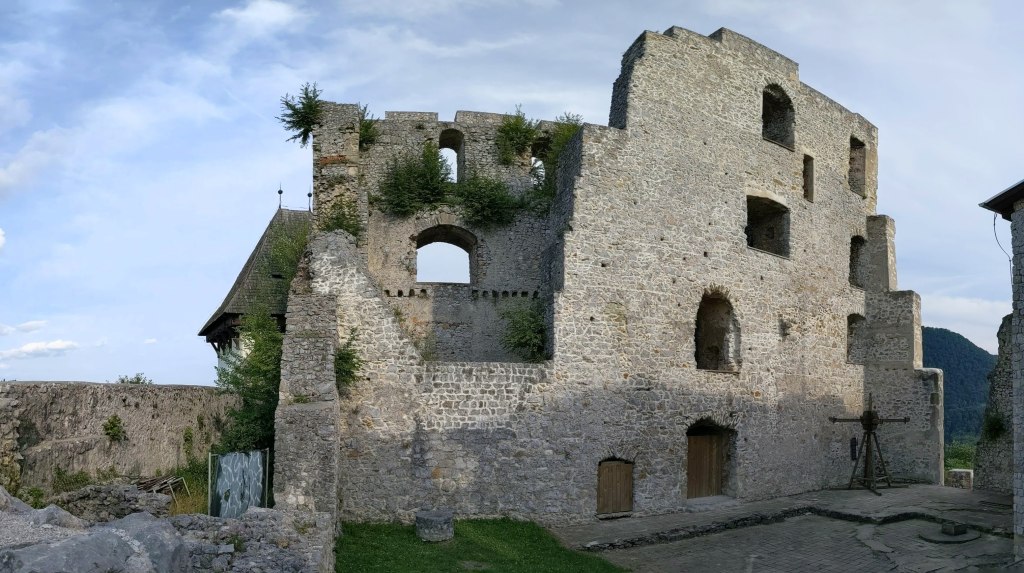
One of the highlights of Celje is the castle on the hill behind the city. You can get a lovely view of the castle from the Savinja River, or basically anywhere in the town, and vice versa. This is probably the main draw-card for visiting the castle, though the history, architecture and torture chamber exhibit are also interesting. At certain times of the year, there are interactive experiences, festivals and concerts held here (more info here).
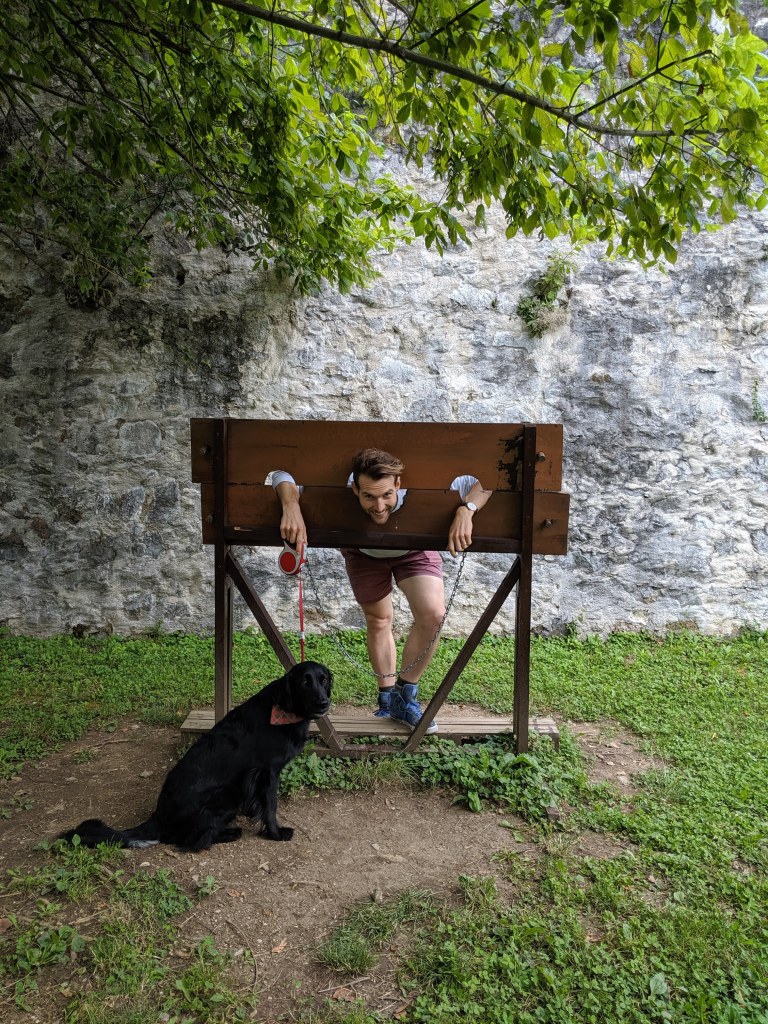
She’s sulking because she was upset at Matt being “locked up”.

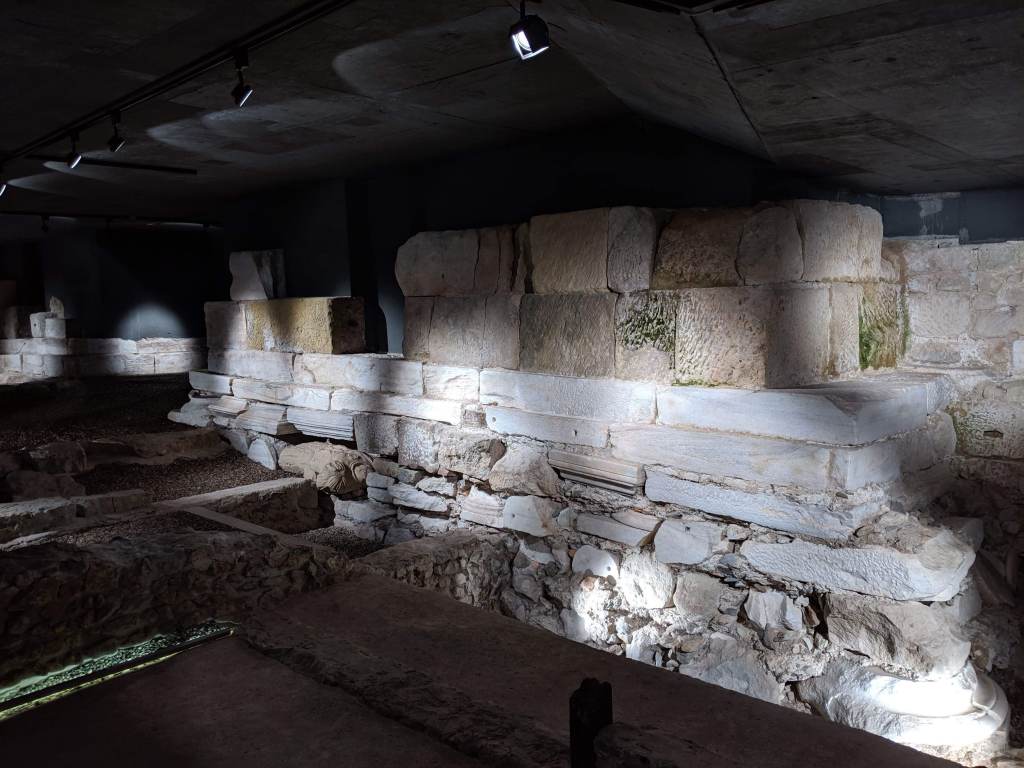
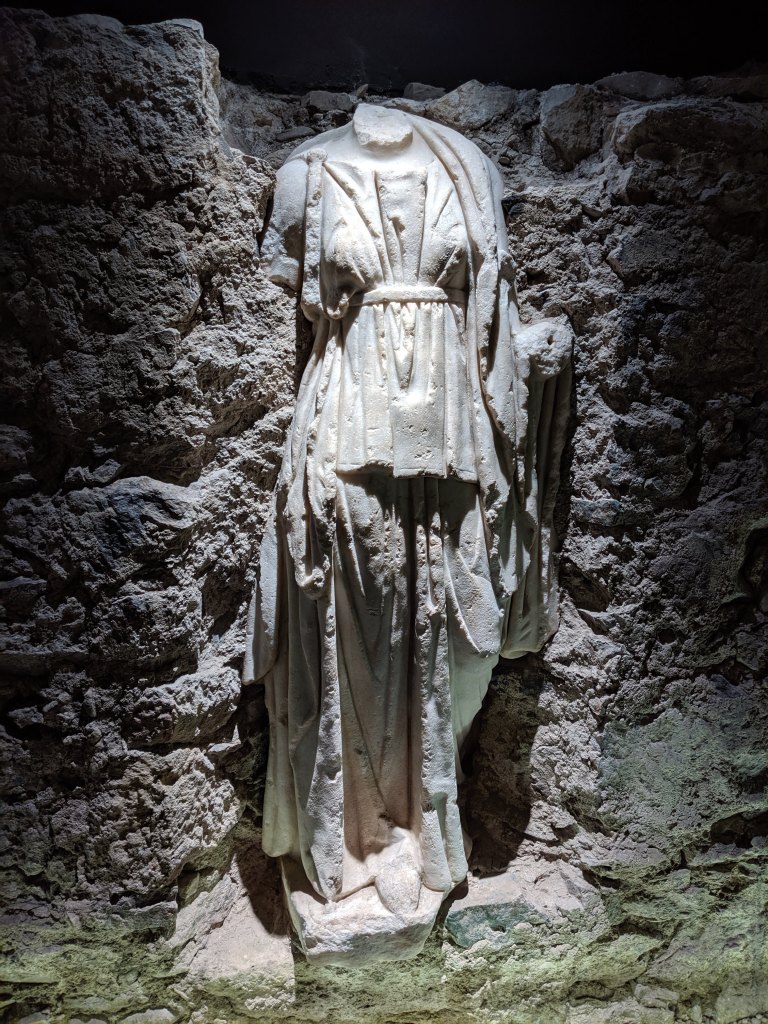
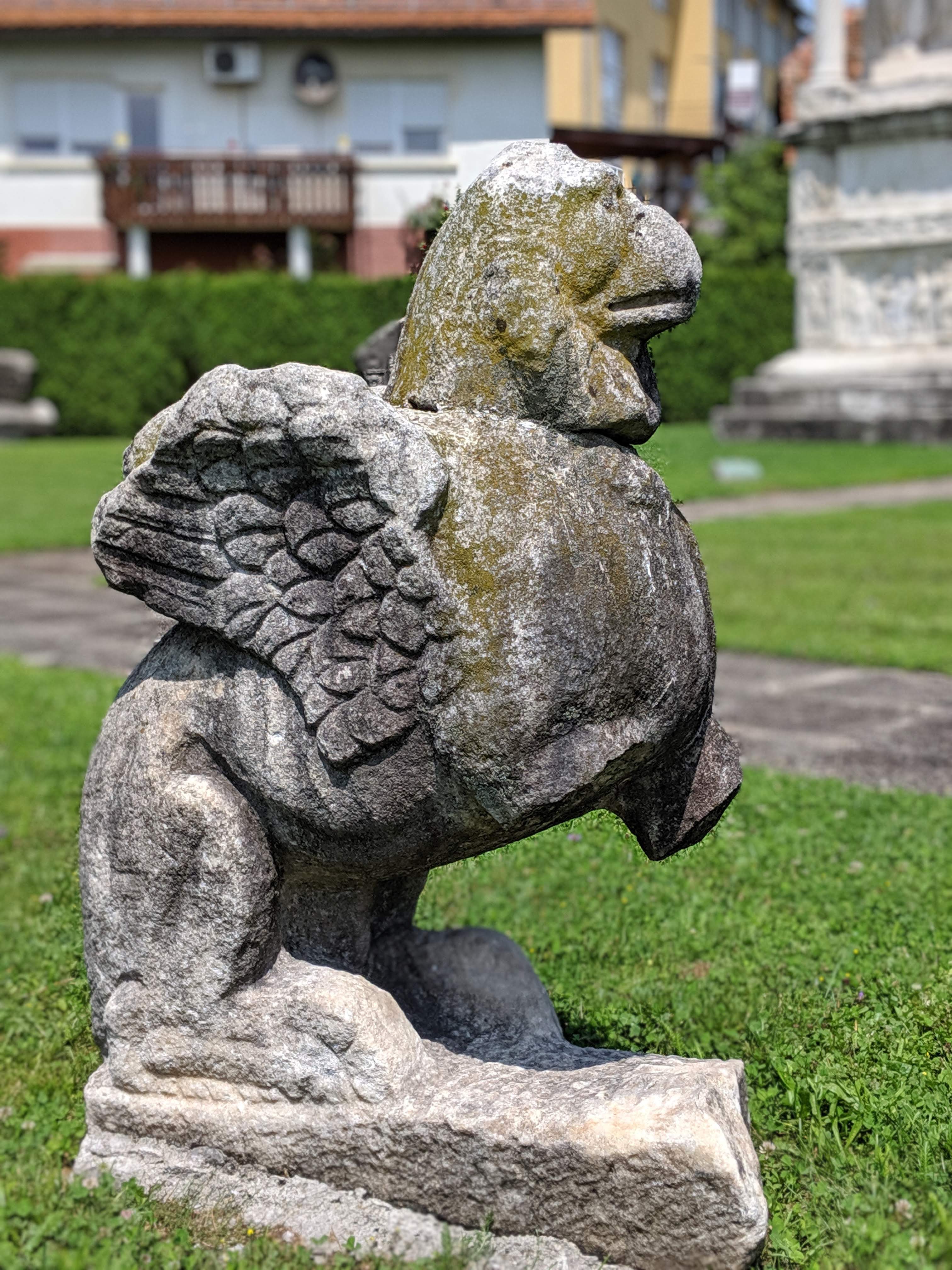
Celje was once occupied by Roman forces, and therefore much of their older history is intertwined. Sites of Roman ruins can be found around the city, and a guided visit to the Pokrajinski Muzej will bring you below the current town, to the remains of the Roman town once there – you can even walk across the section of Roman road that was uncovered. While the historians and experts are trying to raise enough money to reconstruct what they can from the rubble, there is apparently enough leftover pieces of debris (often large pieces of marble with carvings in them) that they have started using them as public seating around the town. A few other things in the area that are worth a visit are the public treehouse in the park/forest across the river from the town centre (especially if you love a good nature walk), and the Stari Pisker is a great place to grab a good burger or meat dish.

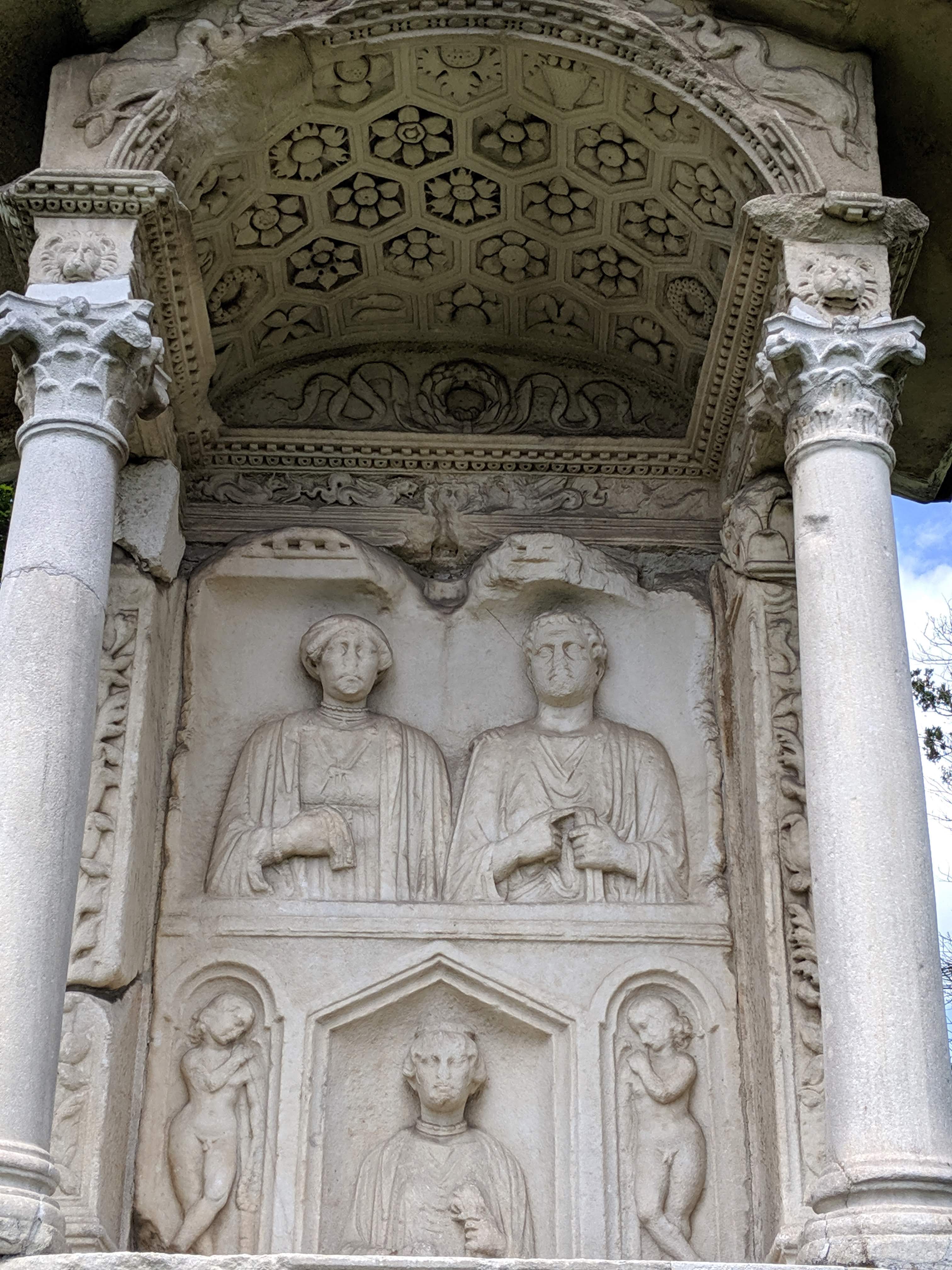
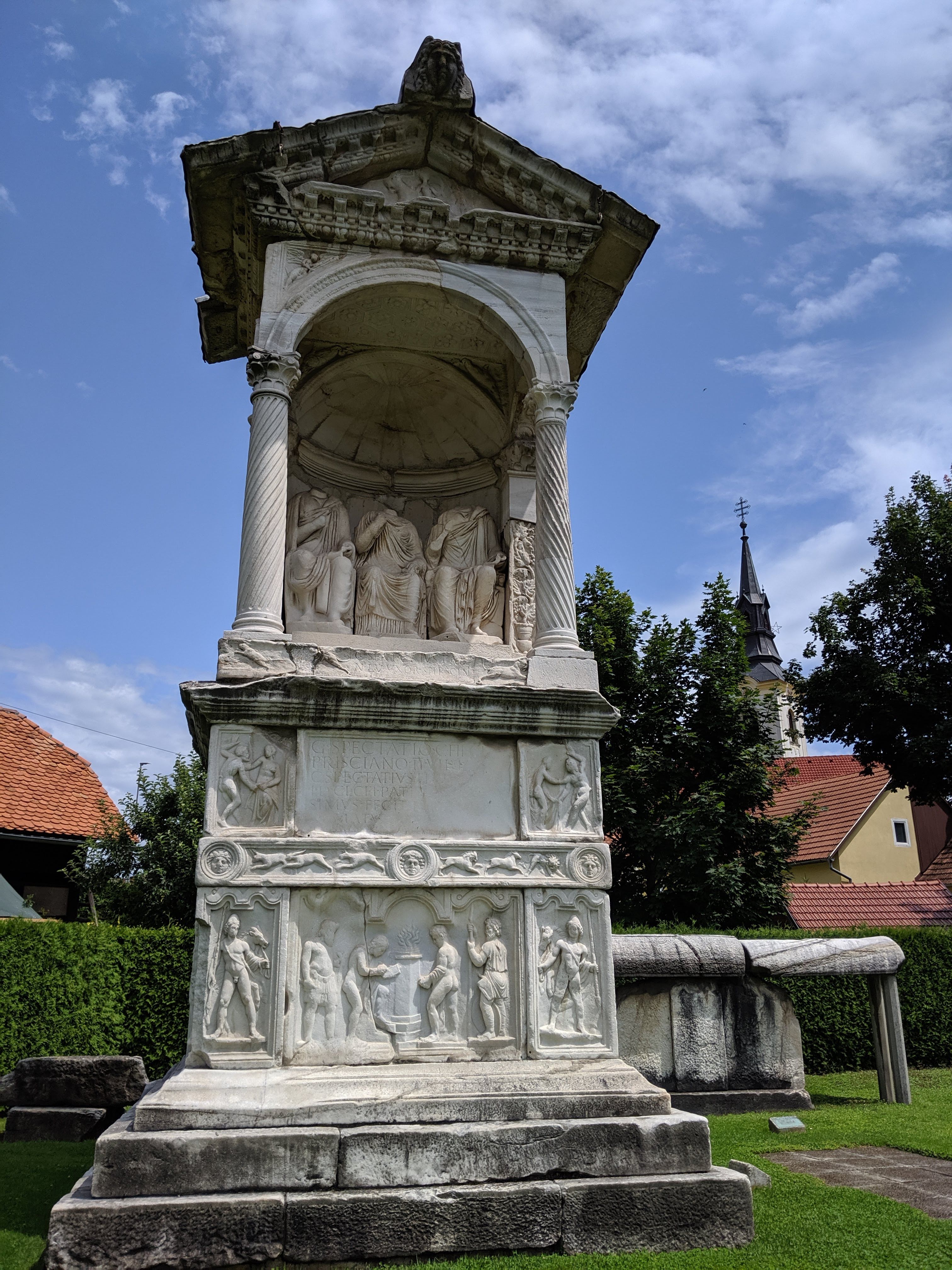
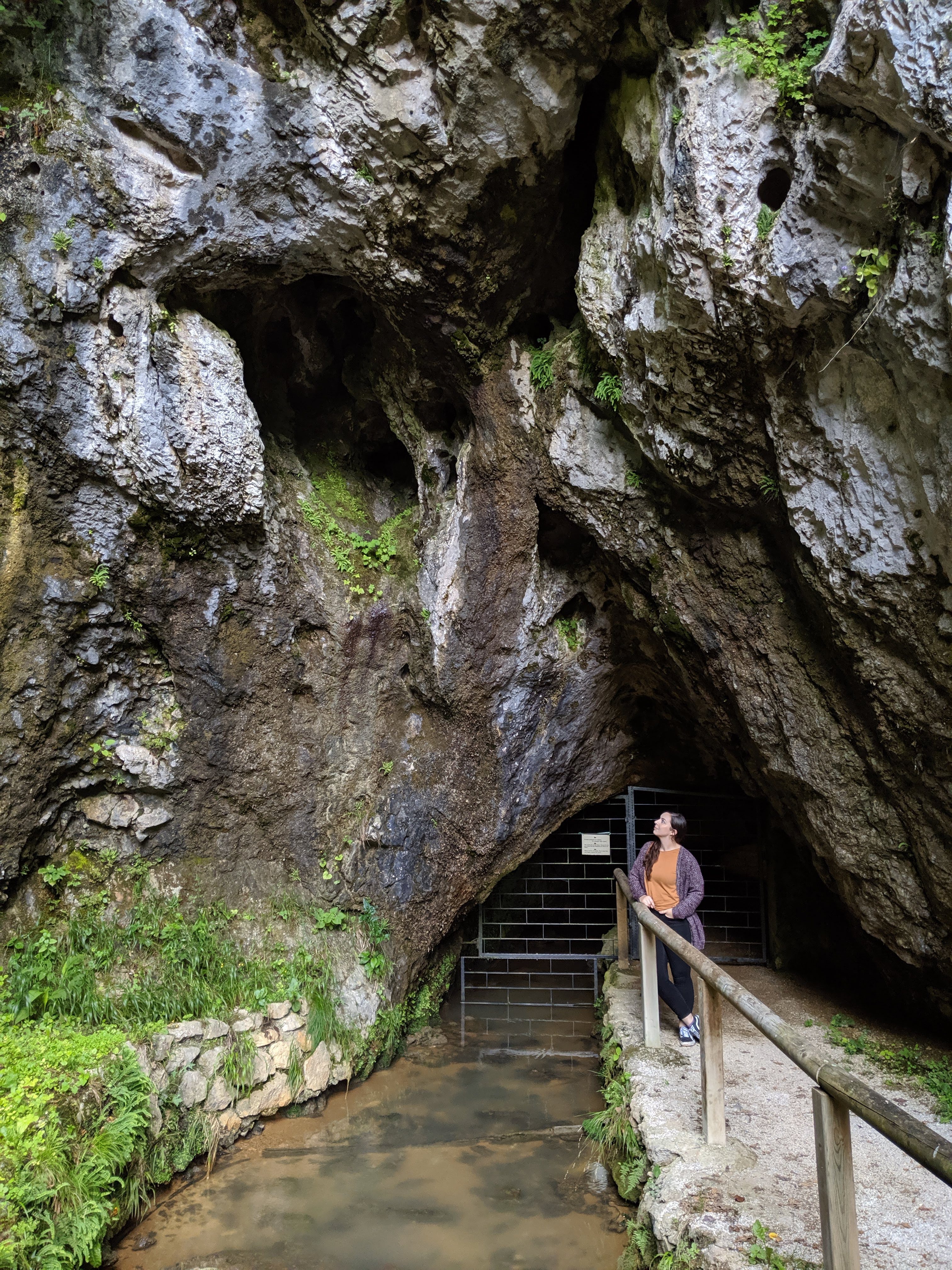
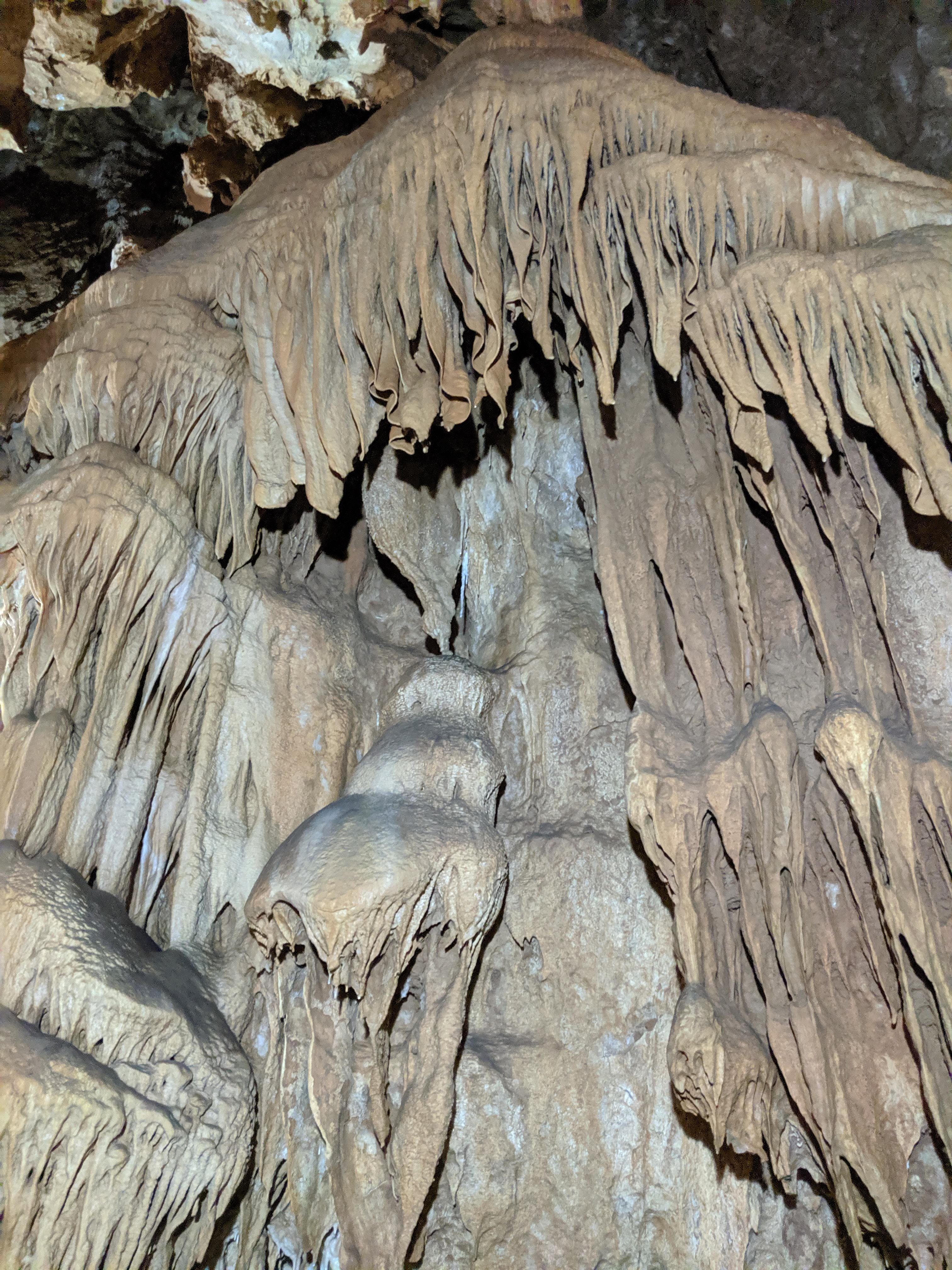
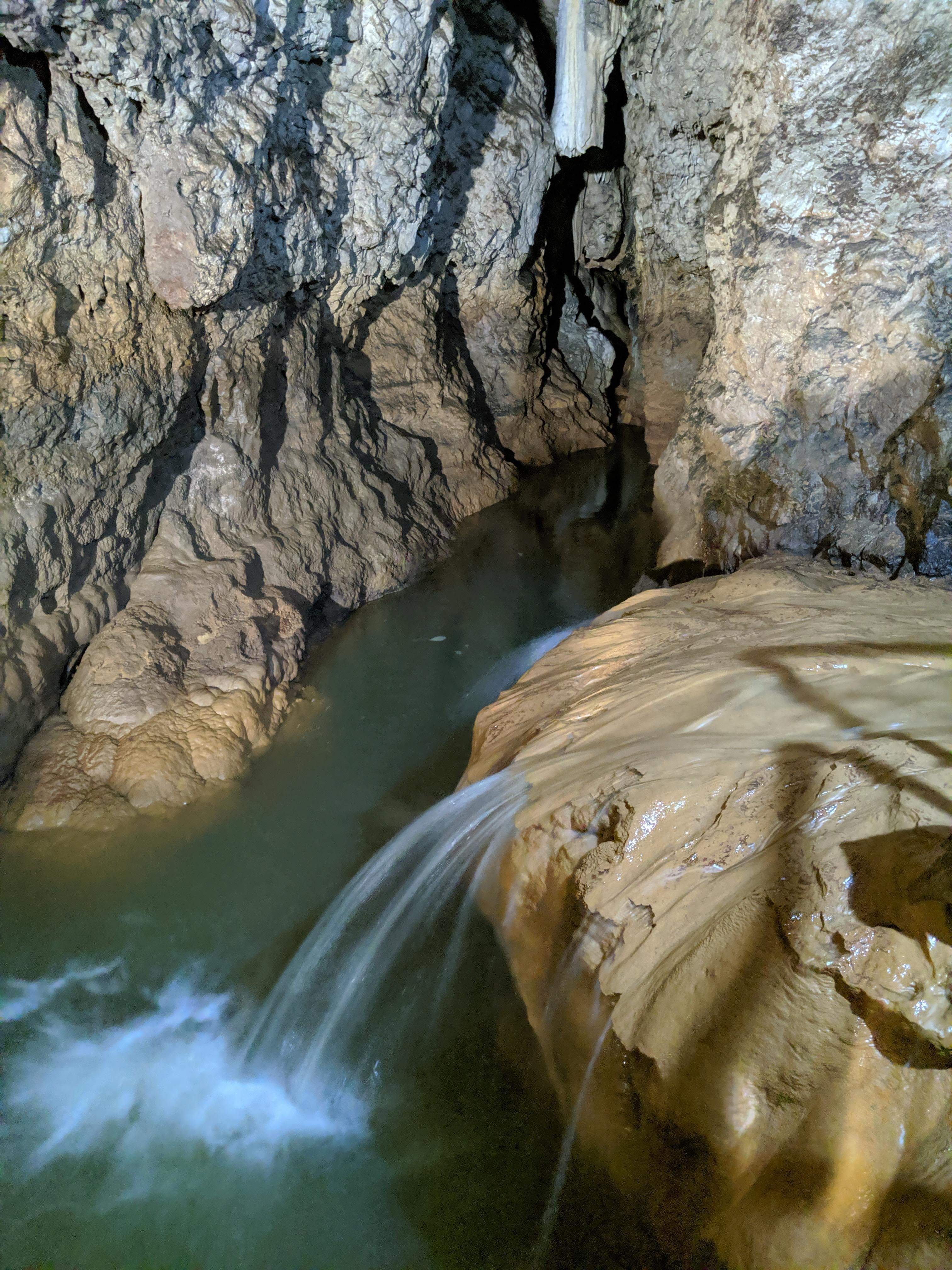
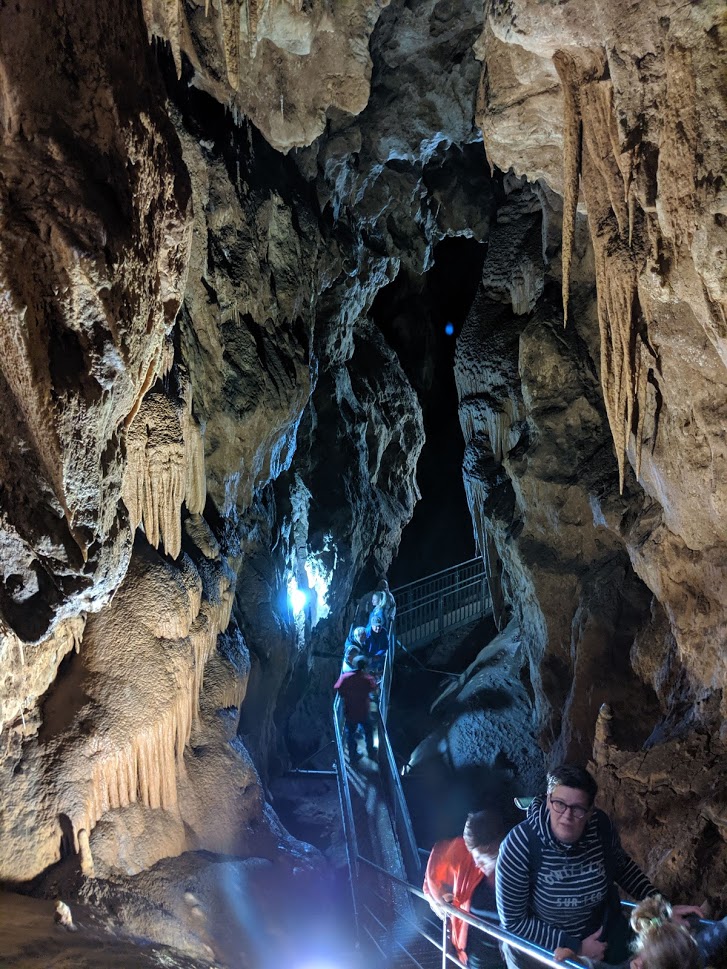
An easy drive from Celje is a town called Šempeter. If the Roman ruins in Celje were your jam, then you’ll probably enjoy this too. Just off the main road is a Roman Necropolis, some of which was discovered in an orchard in the 50’s, and some pieces were found in the Savinja riverbed. We made this stop on our way to the Pekel Cave, where we took a guided tour that led us between the stalactites and stalagmites, up a large flight of stairs and spat us out at the top of the hill that the cave is under.

First Stop: Vienna

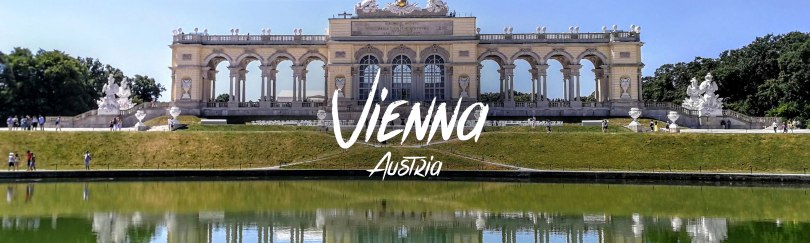
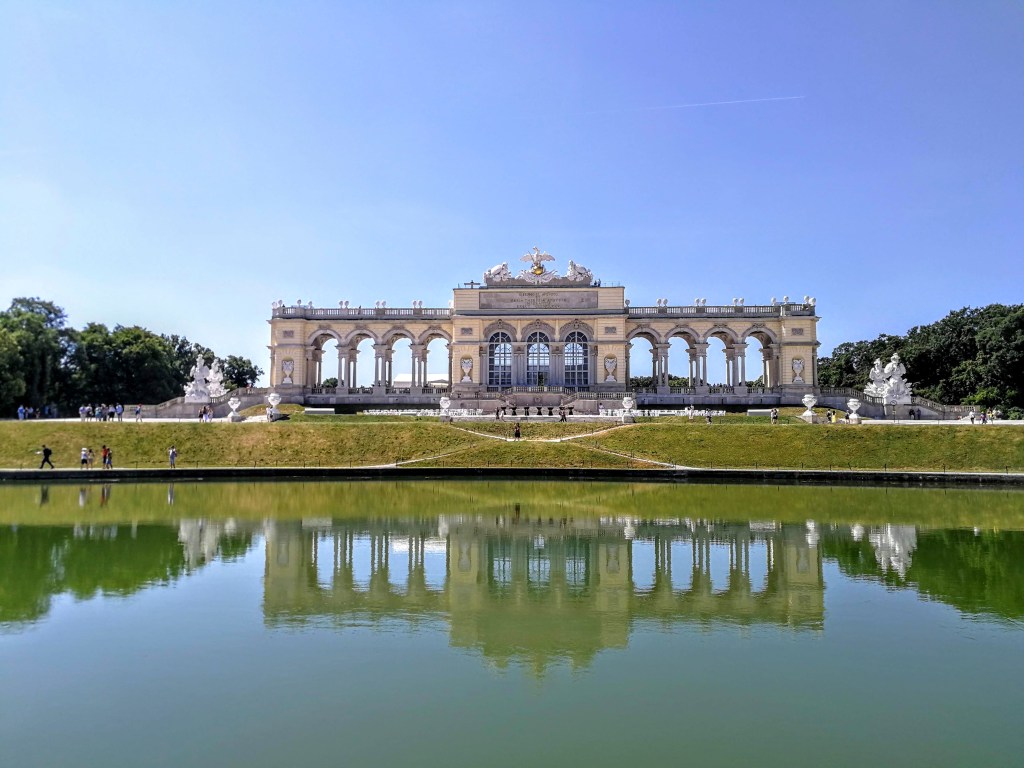
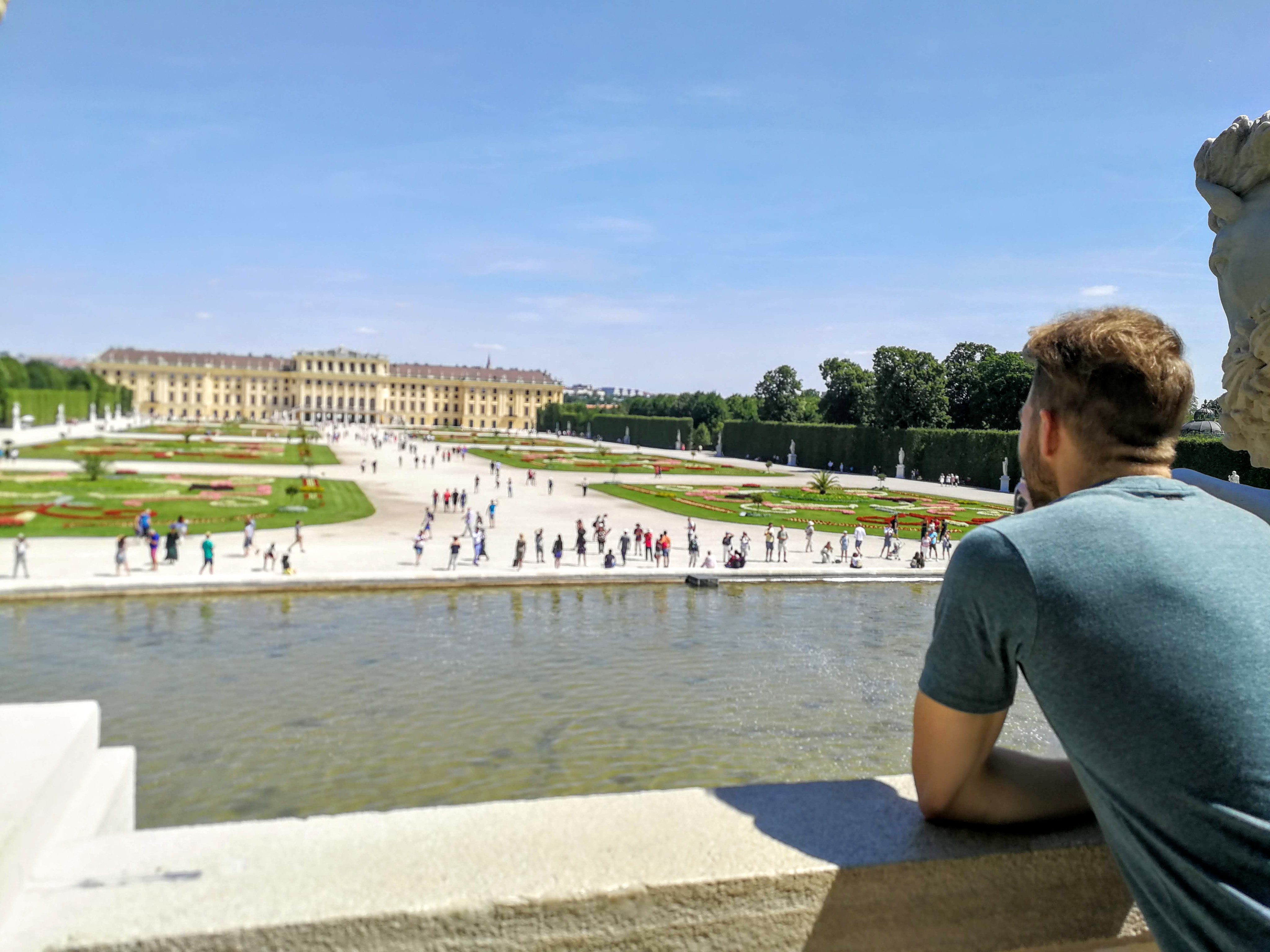
The Gloriette in the Schönbrunn Palace Garden

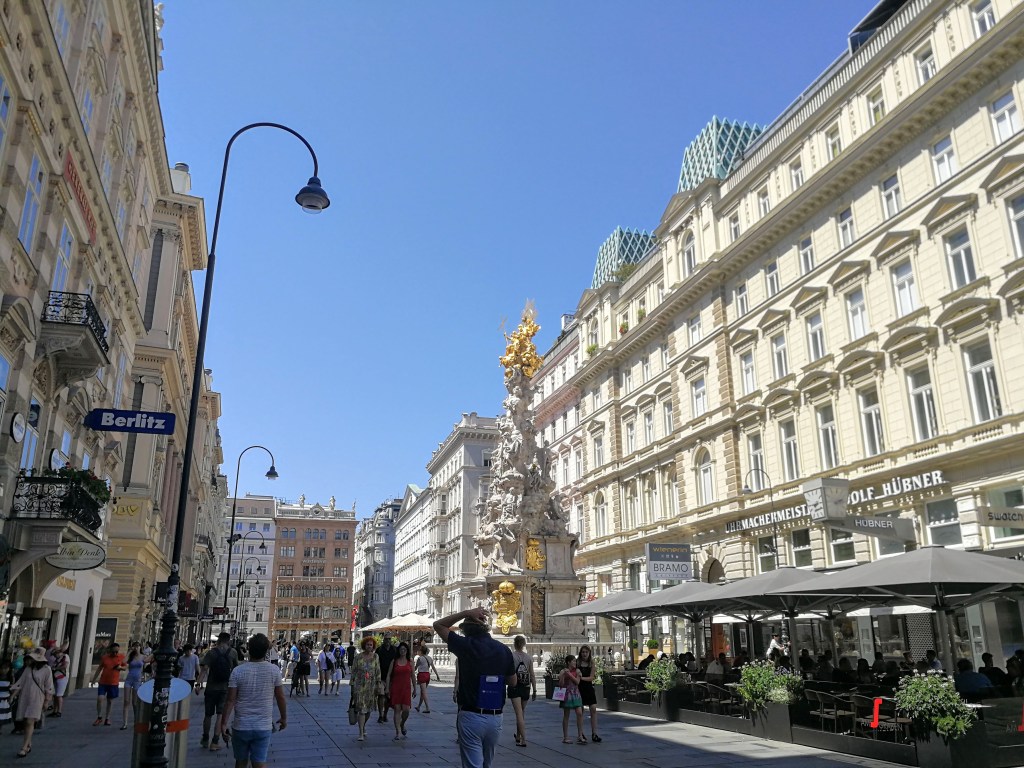
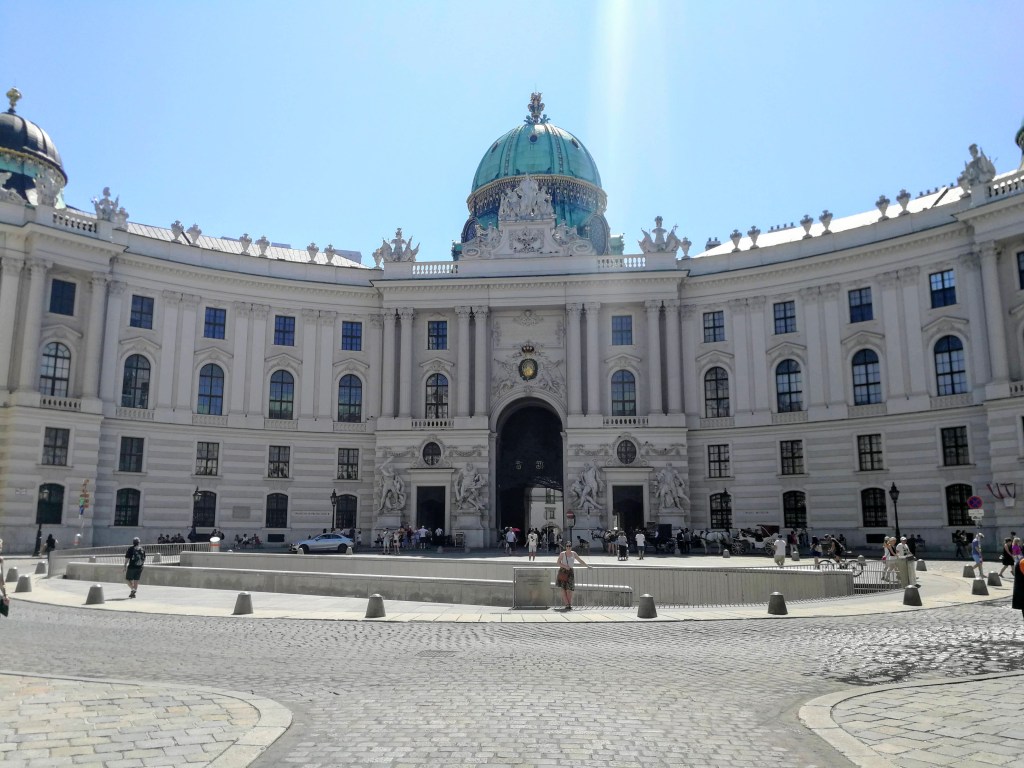
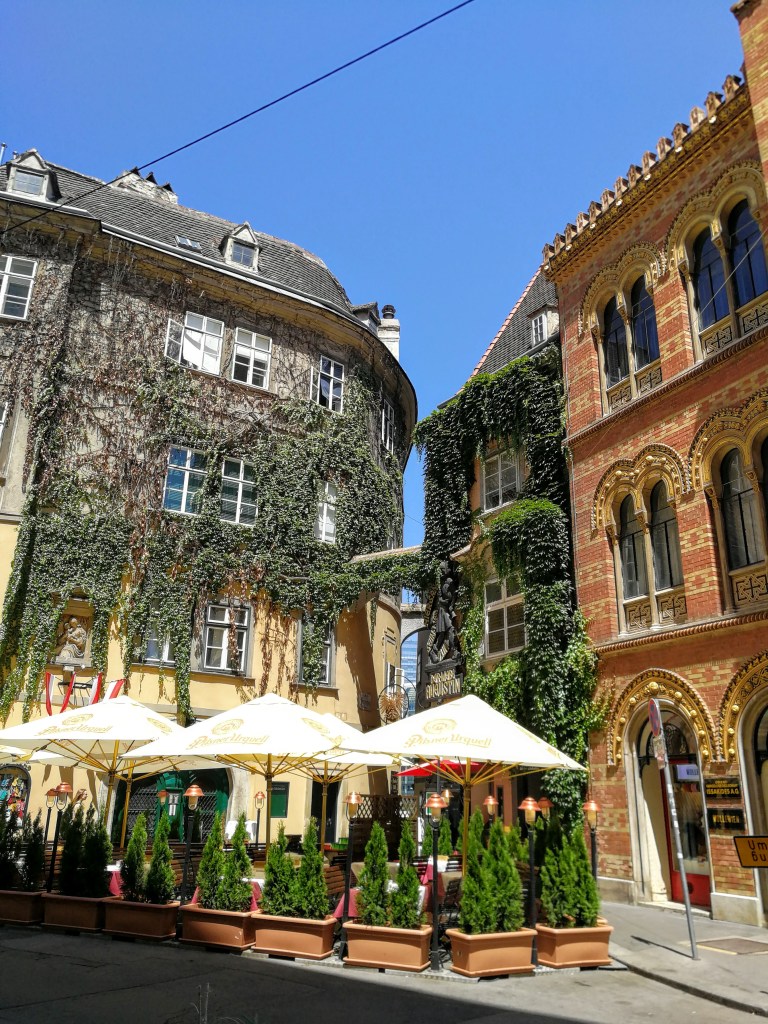
The next 13 hour flight brought us to our first European destination. Vienna, Austria hadn’t originally been that high on our list of must-see places, it was more of a means to an end – the cheapest port into Europe we could find. Our few days in this beautiful city left us quite impressed. The weather was fantastic, it didn’t feel over-crowded, the people were friendly, and neither of us realised just how much the cleanliness of a city can impact your impression of a place until we came here. Boy, was this place clean!

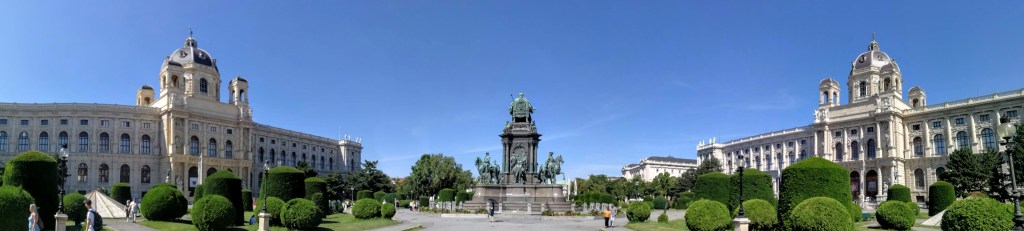
Museum of Natural History Vienna + Maria-Theresien-Platz + Art History Museum Vienna

The transport systems are also efficient and easy once you get the hang of them. Perhaps the jetlag was fogging our brains, but catching those first few Underground lines with train transfers to the suburb we were staying wasn’t the most straight-forward thing, especially as non-German speakers. Big props to the most courteous Austrian gentleman, who saw us struggling with a ticket machine fresh off the plane, and took it upon himself to help us purchase the right tickets and then actually catch the same train as us (the longer route home for him) to make sure we caught all the right transfers!

We ended up buying a 72hr pass which includes unlimited use of all public transport options within the main city limits, and found this suited our needs perfectly. As a bonus, this pass also gives you access to discounts on many different activities, entrance fees and some restaurants. Every little bit helps when you’re travelling, especially as Vienna isn’t the cheapest of European cities. Pro tip: Don’t forget to VALIDATE your ticket!

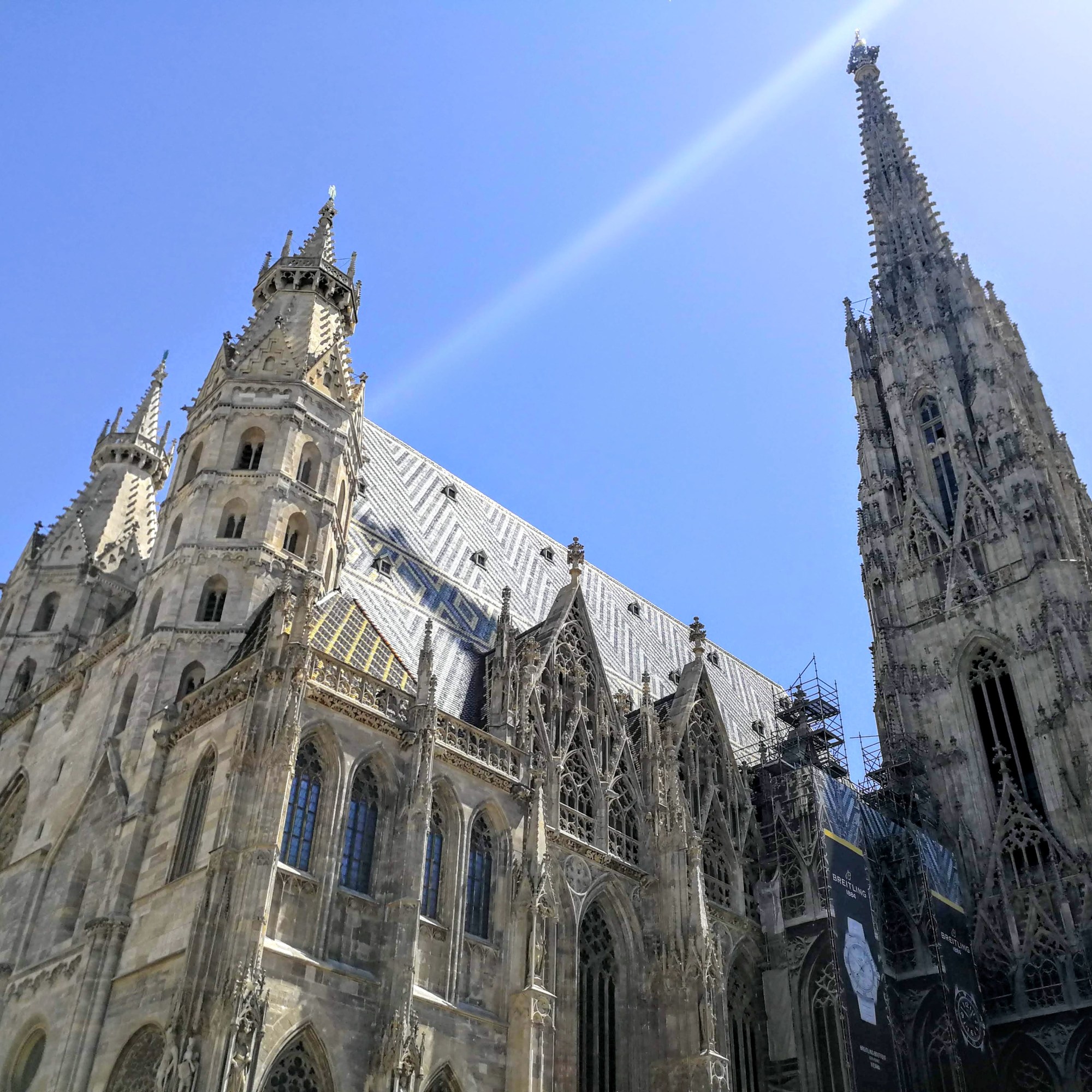
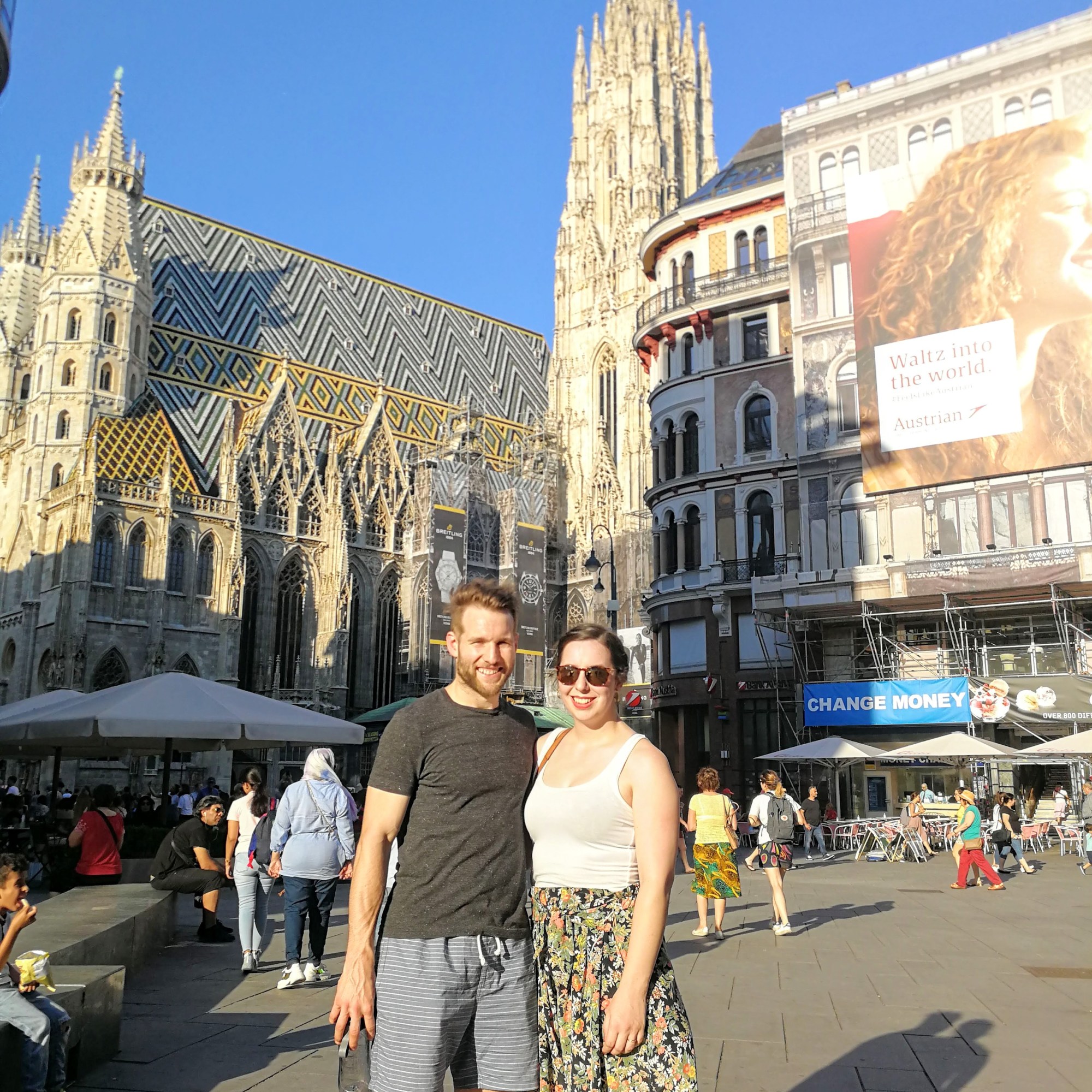
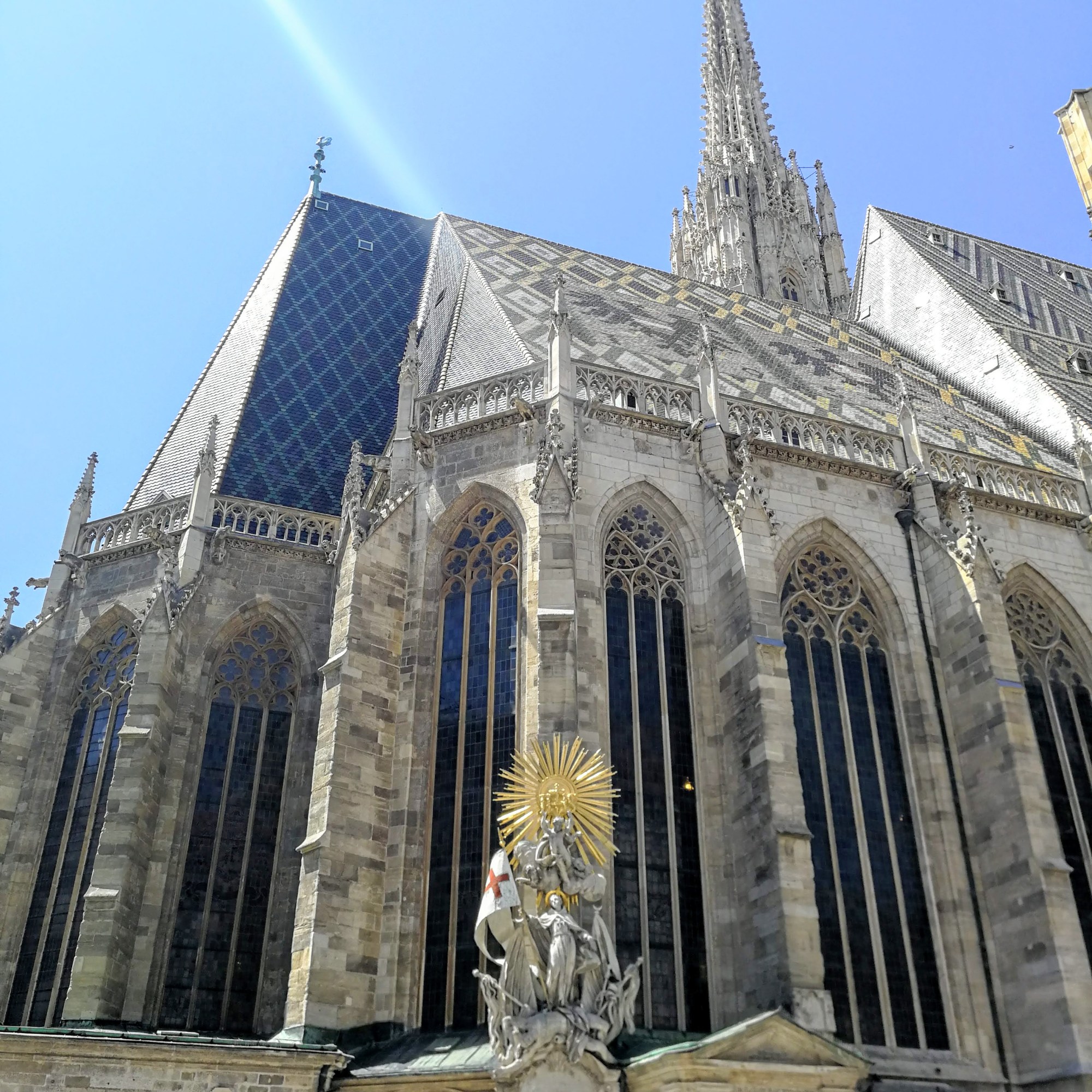
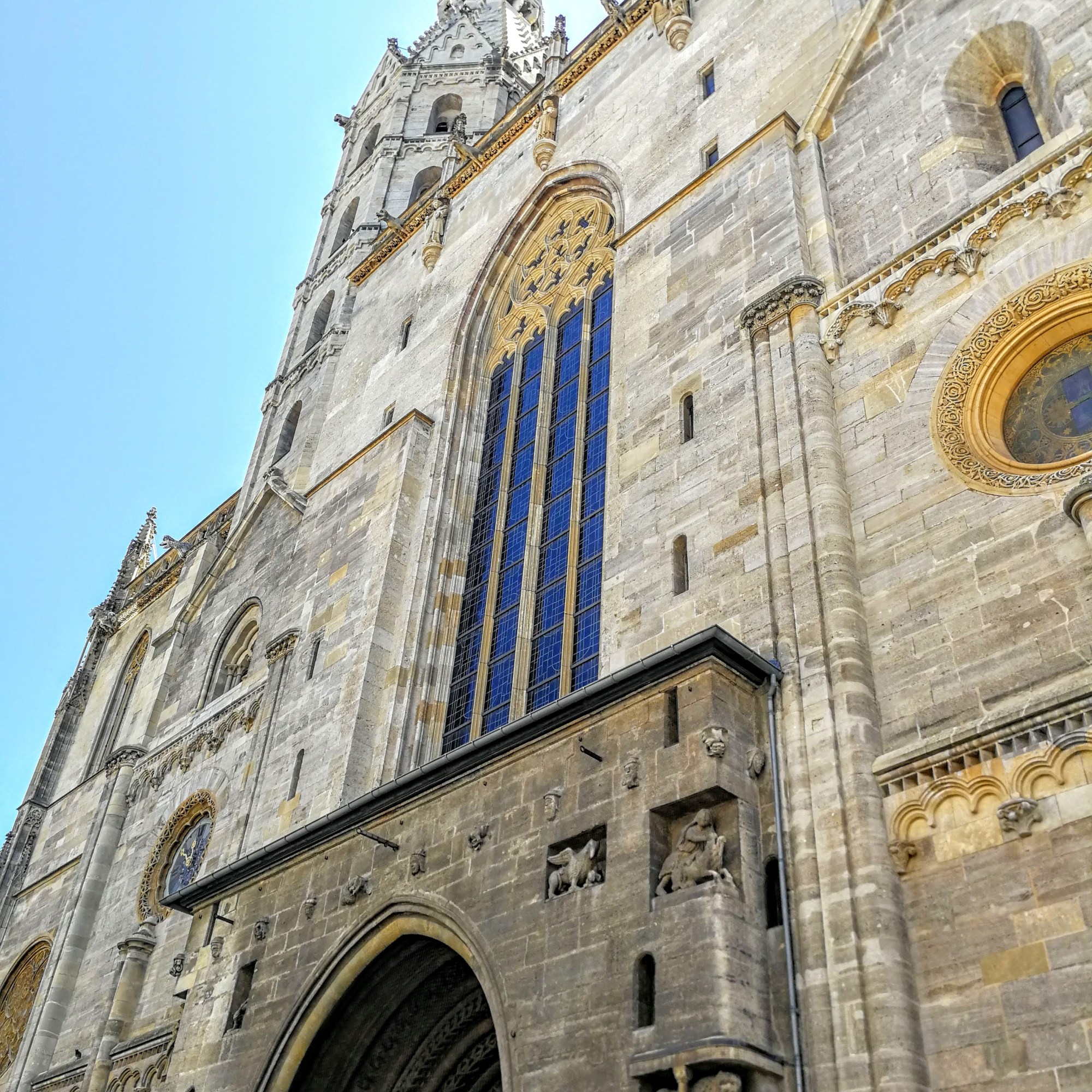
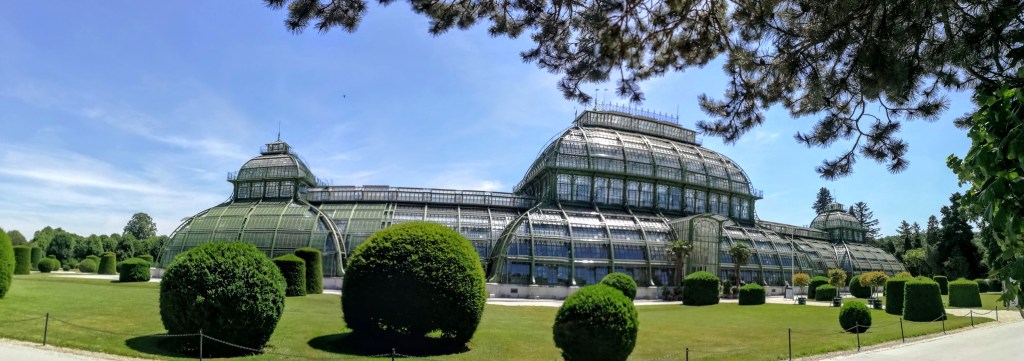
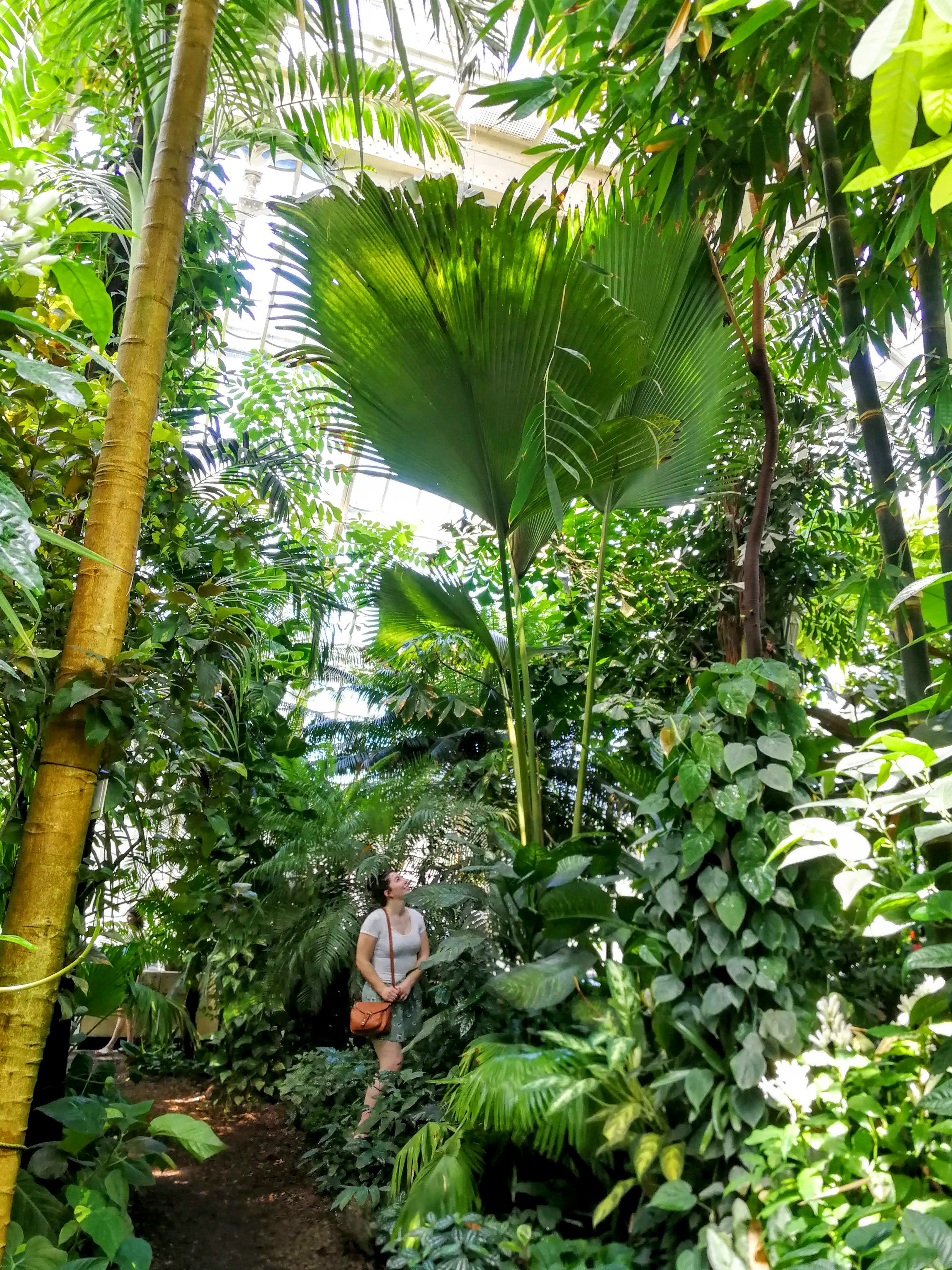
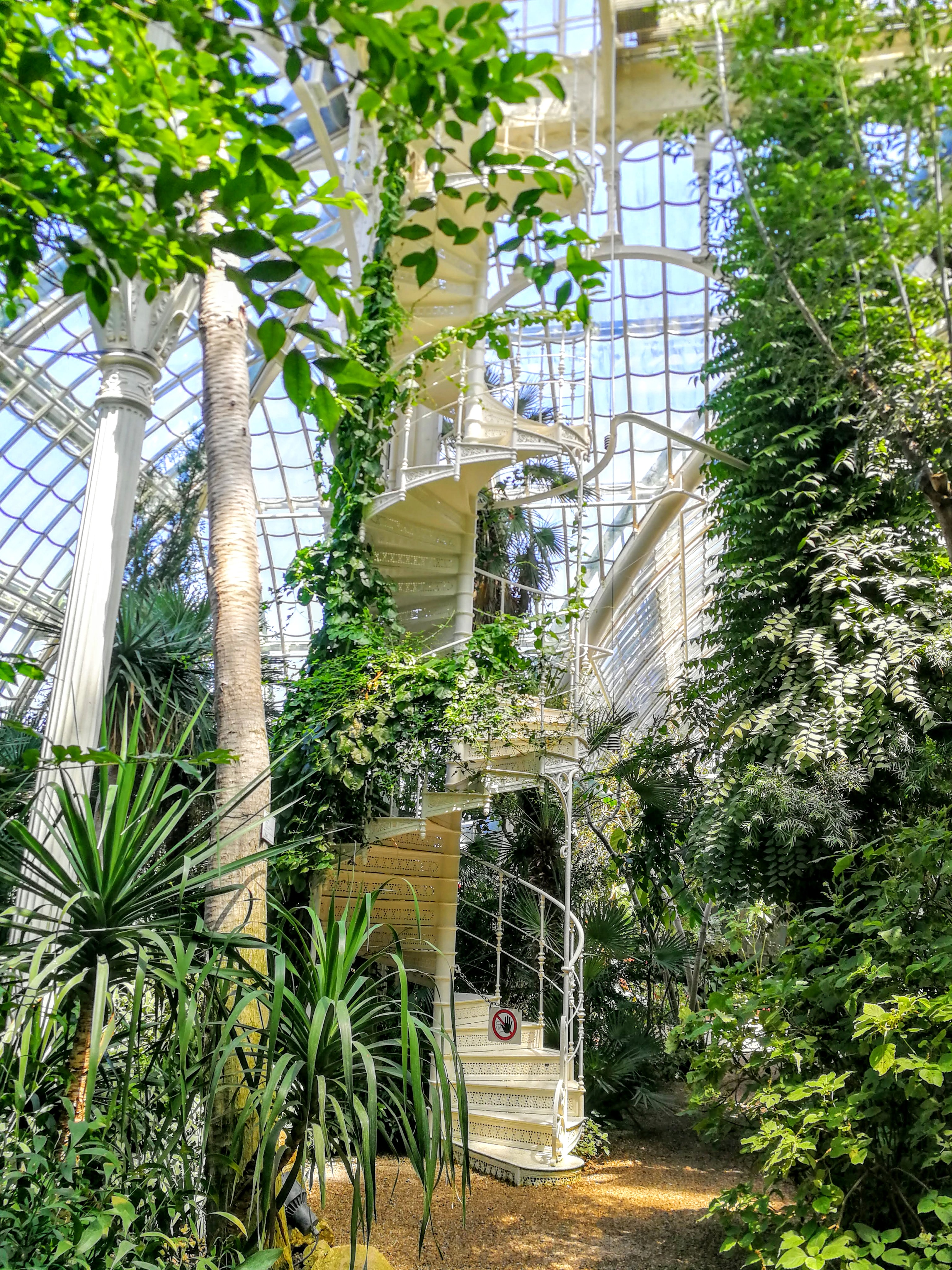
If there’s one thing you should do in Vienna, make sure it’s St. Stephen’s Cathedral/Stephansplatz. Matt and I love anything architecture or design-related, so we could stare in awe of magnificent historic buildings all day, but this one is particularly spectacular. Schönbrunn Palace is also a winner and tourist favourite. There is a lot to offer there aside from the palace itself: a leisurely stroll around the enormous gardens, the short walk up to The Gloriette (which also provides a lovely view back to the city), the zoo, a maze, and, being the self-professed plant fanatic that I am, my personal favourite – the Palmenhaus. I would live in there if I could.

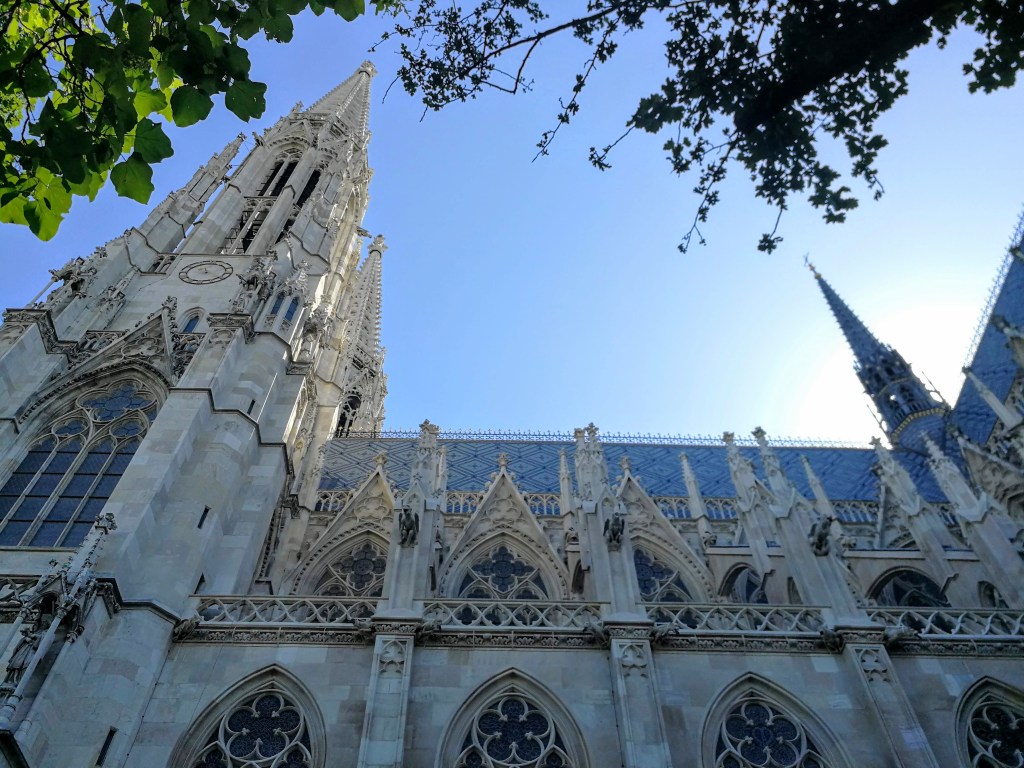
St. Stephen’s Cathedral

Palmenhaus, Schönbrunn Palace. Completed in 1882 and one of the biggest greenhouses of its kind in the world.

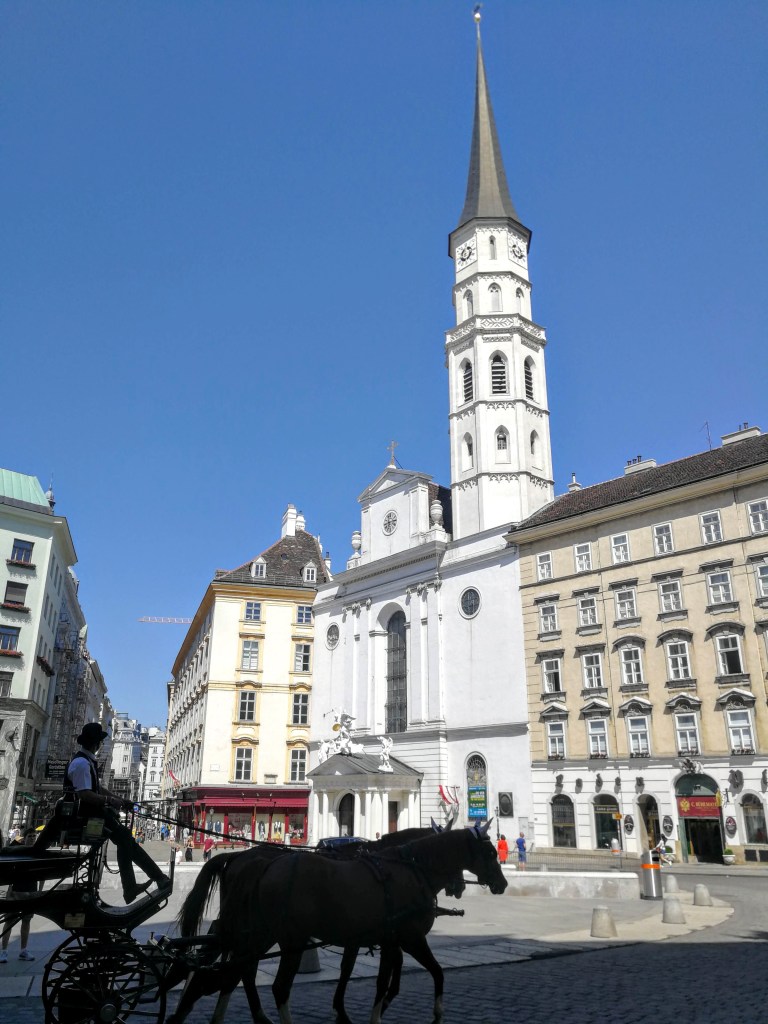
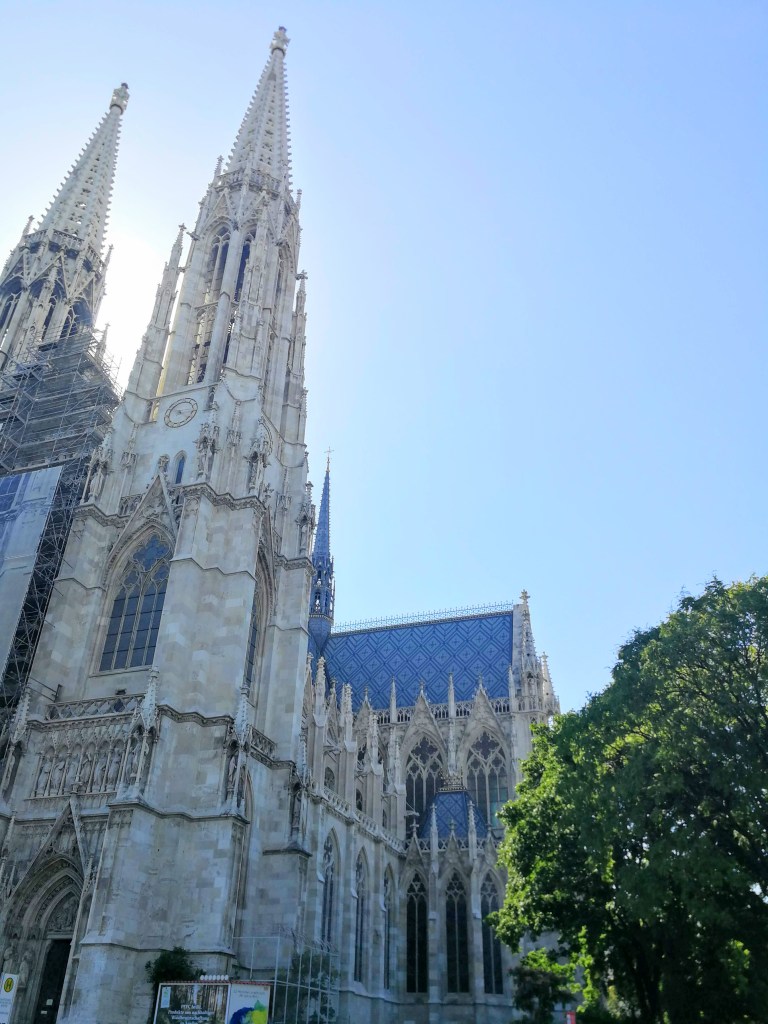
It’s always pleasant wandering around an old city like Vienna, down the cobbled alleyways that lead to yet another ancient church or historically significant building. We hadn’t pinpointed it on our list of places to visit, but we spied a pair of white spires from a few streets away, and upon investigation, found the stunning Votivkirche. Mozart’s house, very near to the city centre, was somewhere on our to-do list also, but we were somewhat disappointed in it. The audio tour is very informative (if not a little long-winded), but the rooms themselves were basically empty and the information was fairly speculative (e.g. this MIGHT have been Mozart’s dining room, and these MIGHT be similar to the type of dining chairs he had). From our experience, we recommend visiting the museum at the birthplace of Mozart in Salzburg instead, if you have the opportunity.

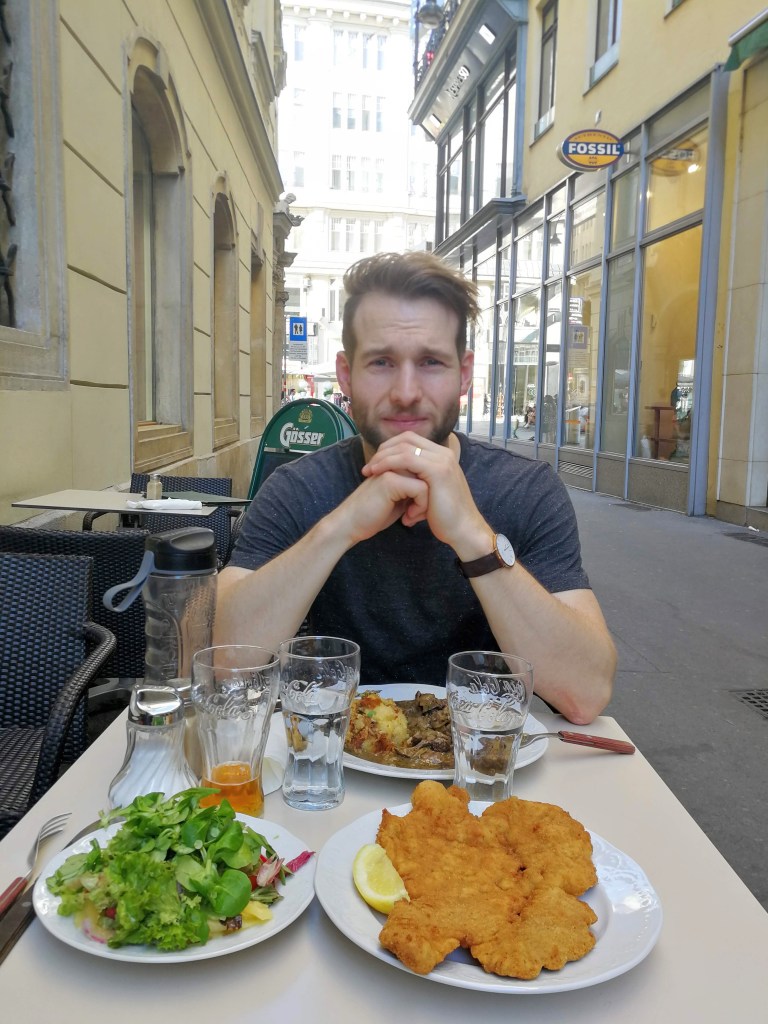
I’d also like to make a special shout-out to all the gelato, schnitzel and bratwurst vendors in Vienna, because yum.

Beginner’s Guide to House-sitting…We’re the Beginners

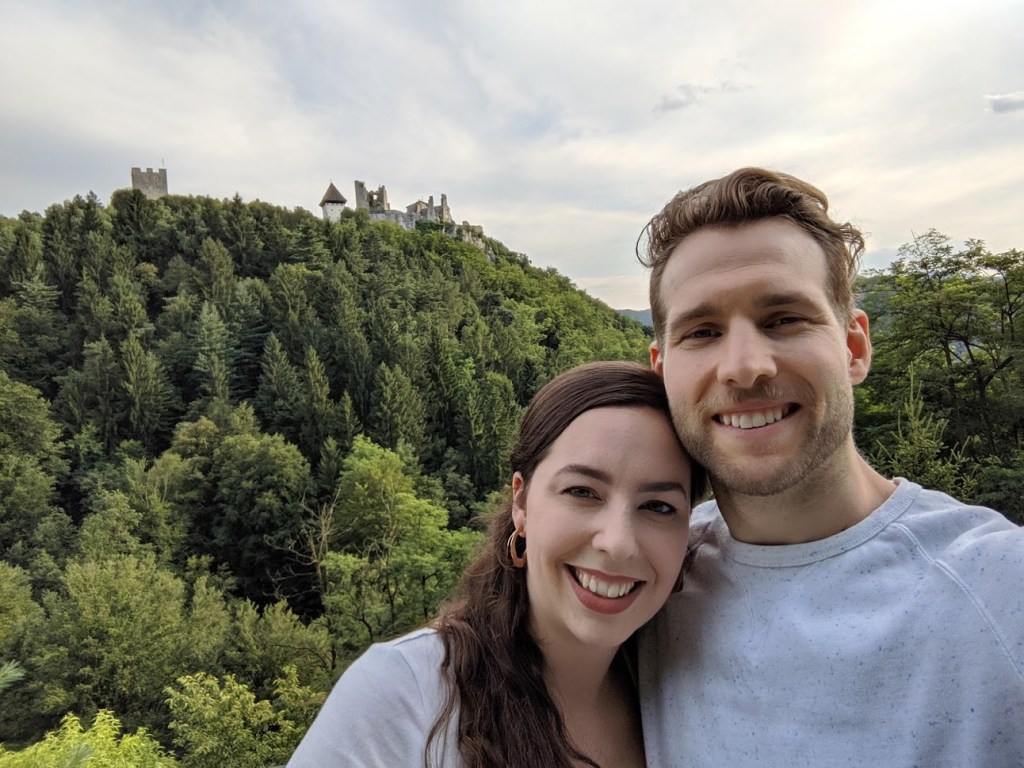
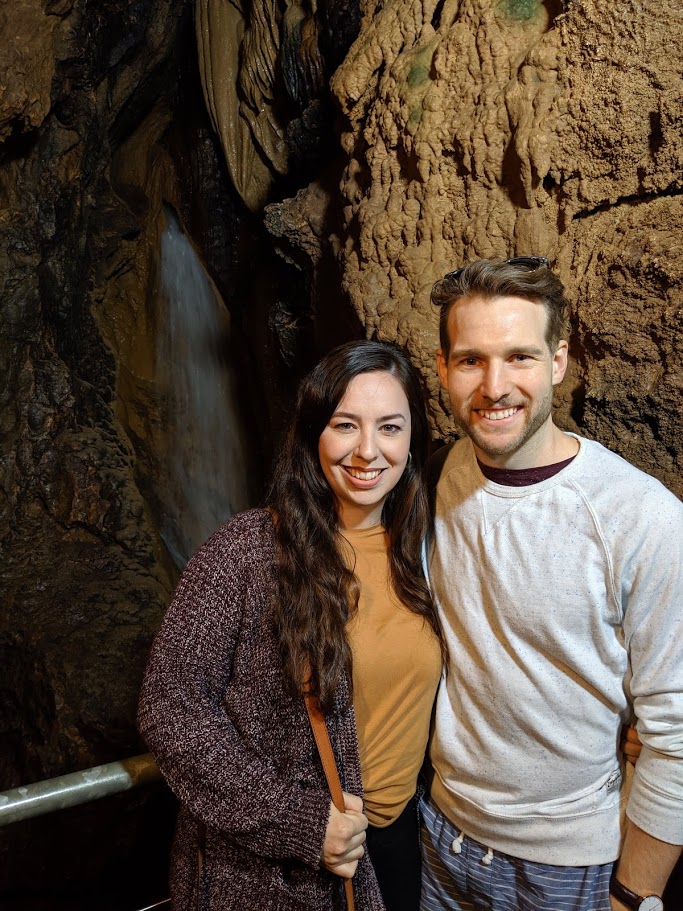
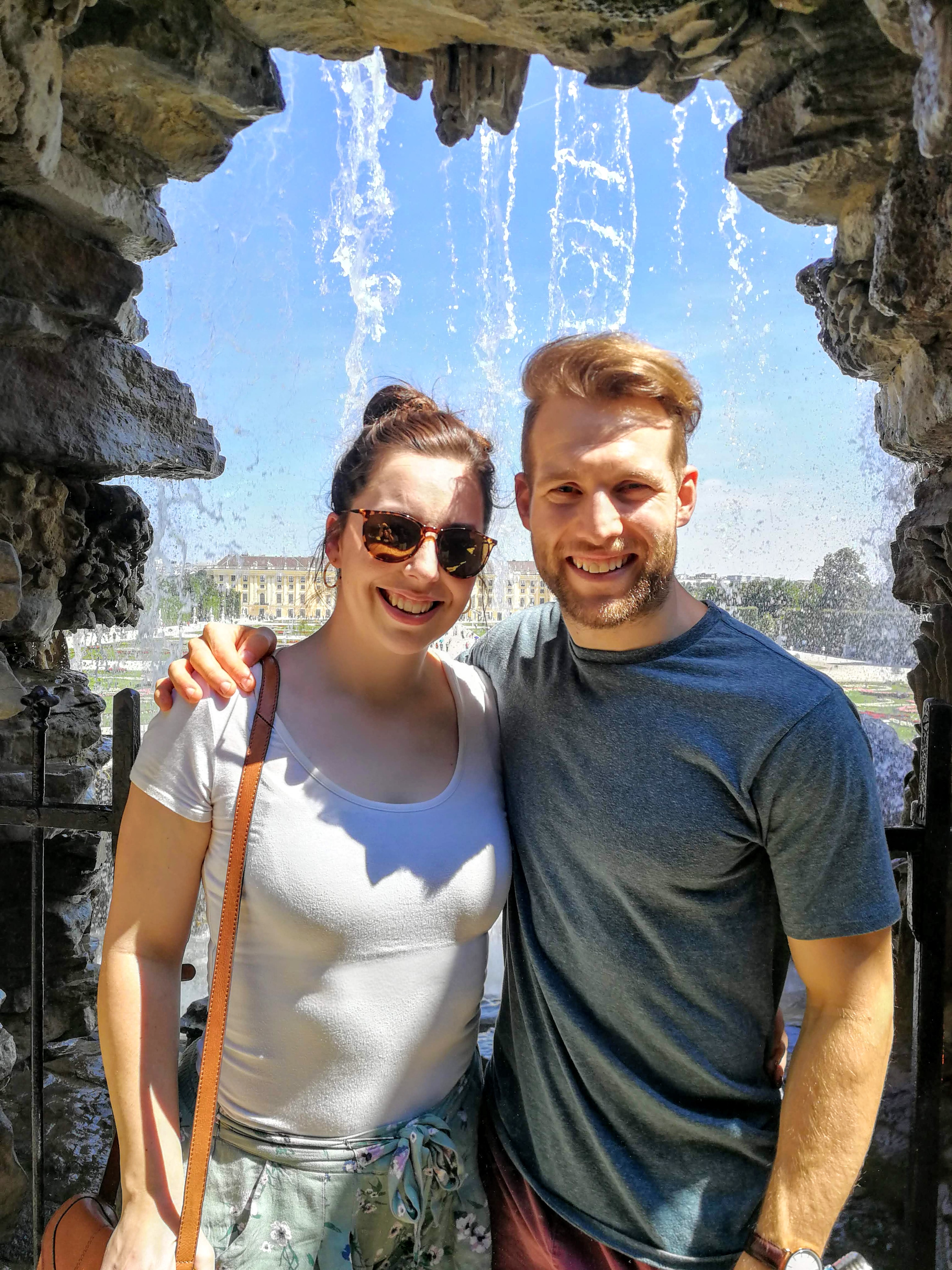
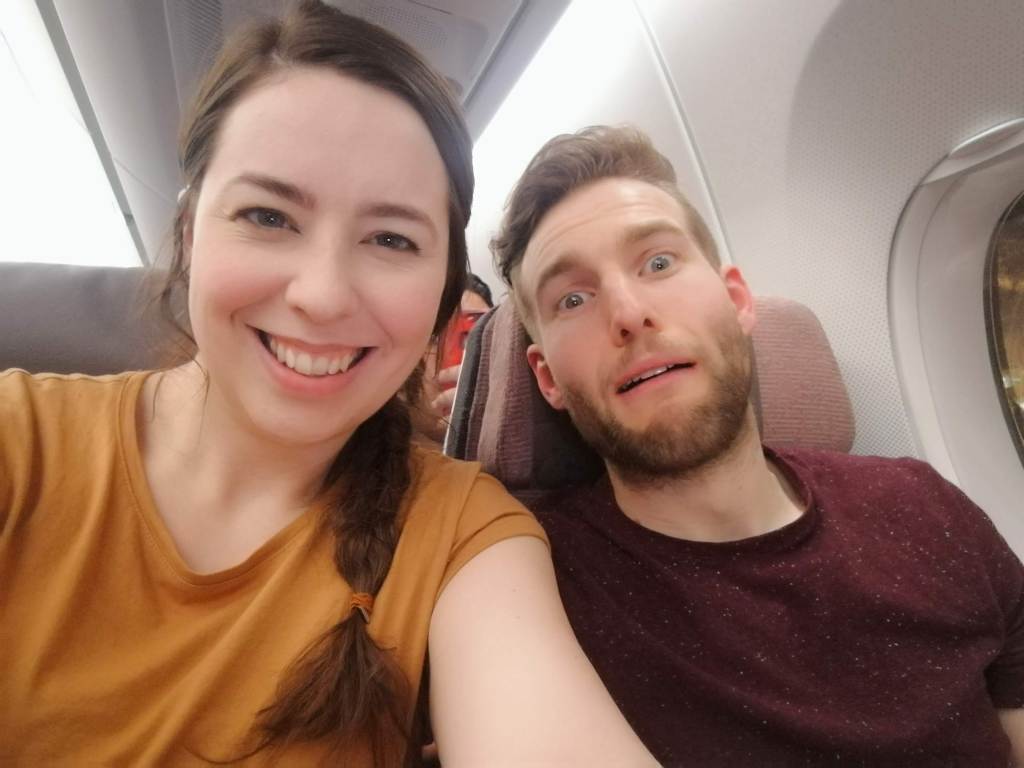
Just a couple of crazy kids leaving little old NZ behind for the next 6 and a half months.

What started out as a crazy idea that popped into our heads one day, finally lay at our feet. We had heard of people going overseas and getting odd jobs to pay their way through countries, or even free accommodation in exchange for a few hours of labour (usually manual or language tutoring), but neither of us can seem to remember quite how we came across house-sitting. This offered free accommodation in exchange for the care of one or more pets. We knew that if we wanted to travel it had to be budget-friendly, as we are saving for a house back in NZ (those Auckland house prices – amiright?!), so we wanted whatever we did to not affect our savings. After long discussions, research and calculations, we came to the conclusion that house-sitting could not only let us continue putting money aside into our savings, but it could potentially, *hopefully* allow us to actually put in more than we can normally save at home! We weighed up the cost of flights + food + activities + accommodation for any side trips we may want to do between house-sits + storage for our belongings at home vs. our rent in Auckland + our usual weekly expenses. With Matt free-lancing, he wasn’t tied down with work, and, having a design-based job myself, we made the decision that he would train me up and I could help him out with the basics. It was all kind of ideal.

We’ve had a lot of people ask us about how house-sitting works, so if you’re interested, here’s what you need to know:

  • there are many different websites you can sign up to and apply for house-sits. Most of them have a fee to join, but for free accommodation, it can be well worth it. Some of the sites we came across are: Trusted Housesitters (NZD$130 p/yr, but we found a discount voucher online), Nomador (3 applications free, then/or approx NZD$40 per quarter), Mind My House (NZD$20), Housesit Match (approx NZD$112), etc.
  • we didn’t sign up to all of the sites we came across, but the one we’ve had the most success with, by far, is Trusted Housesitters.
  • some of the sites are more specialised or commonly used in one particular area. For example, Trusted Housesitters seems to have a lot of choice for France and the UK, Nomador seems to have more USA and Australia, etc.
  • when setting up your profile for house owners to view, make sure that you include details about yourself and interests, relevant history (specifically pet or plant care), and if you can get references this will also help your case.
  • while this is a great way to save money and travel at the same time, please don’t forget that you still have responsibilities and that these people are putting their trust in you to look after their pets. Often their pets are like family members, so duties can’t be shirked.

I hope this quick intro on our 6 month house-sitting stint has been helpful or inspired you to think about doing something similar. It really is a great way to see the world in a cost-effective way, plus you get to meet lots of great people, make new friends and even have some nice little interactions as passers-by want to pat the cute dog you’re walking.